
Intravenous Therapy: Essential Nursing Skill for Modern Healthcare
Intravenous Therapy, commonly known as IV Therapy, is one of the most important clinical procedures in modern healthcare. It allows fluids, medicines, nutrients, and blood products to be delivered directly into a patient’s vein for rapid and effective treatment.
At Ideal Institute of Nursing, nursing students receive practical and theoretical training in intravenous therapy procedures, infection prevention, patient monitoring, and emergency nursing care.
This article explains intravenous therapy, its types, nursing responsibilities, procedure, complications, benefits, and the importance of IV therapy training in nursing education.
Intravenous therapy is widely used in hospitals for hydration, medication administration, emergency care, and nutritional support. Proper infection control and aseptic techniques are essential during IV procedures to reduce bloodstream infections and patient complications.
What is Intravenous Therapy?
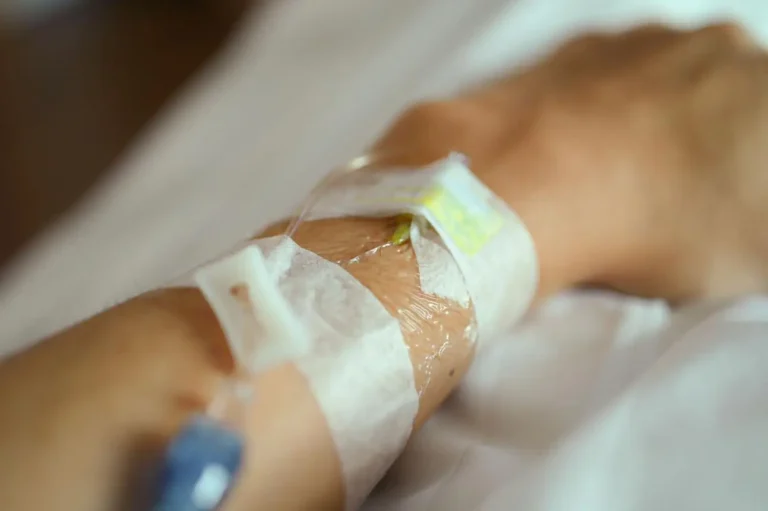
Intravenous Therapy (IV Therapy) is a medical procedure where fluids, medications, nutrients, or blood products are administered directly into a vein using a cannula or catheter.
The intravenous route provides fast absorption because the treatment enters directly into the bloodstream.
IV therapy is commonly used for:
- Dehydration
- Medication administration
- Emergency treatment
- Nutritional support
- Blood transfusion
- Electrolyte imbalance correction
- Surgical and critical care management
Importance of Intravenous Therapy in Nursing
Intravenous therapy is a core nursing responsibility because nurses are directly involved in:
- Preparing IV fluids
- Cannula insertion
- Monitoring infusion rates
- Preventing infections
- Observing complications
- Ensuring patient comfort
At Ideal Institute of Nursing, students learn evidence-based nursing practices and aseptic techniques required for safe IV therapy management.
WHO guidelines emphasize hand hygiene, aseptic no-touch techniques, proper catheter management, and clinician training to prevent catheter-related bloodstream infections.
Types of Intravenous Therapy
1. Peripheral Intravenous Therapy
A cannula is inserted into a peripheral vein, usually in the hand or arm.
It is commonly used for:
- Short-term medication
- Fluid administration
- Emergency treatment
2. Central Intravenous Therapy
A catheter is inserted into a large central vein near the heart.
This is used for:
- Long-term treatment
- Chemotherapy
- Intensive care
- Nutritional therapy
3. Continuous IV Infusion
Fluids are administered continuously using an IV drip.
4. Intermittent IV Therapy
Medications are given at specific intervals through the IV line.
Equipment Required for IV Therapy
The following equipment is commonly used:
- IV cannula
- IV fluids
- IV infusion set
- Tourniquet
- Sterile gloves
- Alcohol swabs
- Adhesive tape
- Syringe
- IV stand
- Dressing materials
Students at Ideal Institute of Nursing receive practical training on handling IV equipment safely and effectively.
Nursing Responsibilities in Intravenous Therapy
Nurses play a major role in ensuring safe and effective IV therapy.
1. Verify Doctor’s Orders
Before starting therapy, nurses check:
- Correct medication
- Fluid type
- Dosage
- Infusion rate
- Patient identity
2. Maintain Hand Hygiene and Infection Control
Proper hand hygiene and aseptic technique are critical during IV therapy procedures to prevent bloodstream infections. WHO strongly recommends hand hygiene training and aseptic no-touch techniques for clinicians managing intravascular catheters.
Nurses should:
- Wash hands properly
- Wear gloves
- Use sterile equipment
- Disinfect insertion site
3. Insert IV Cannula Properly
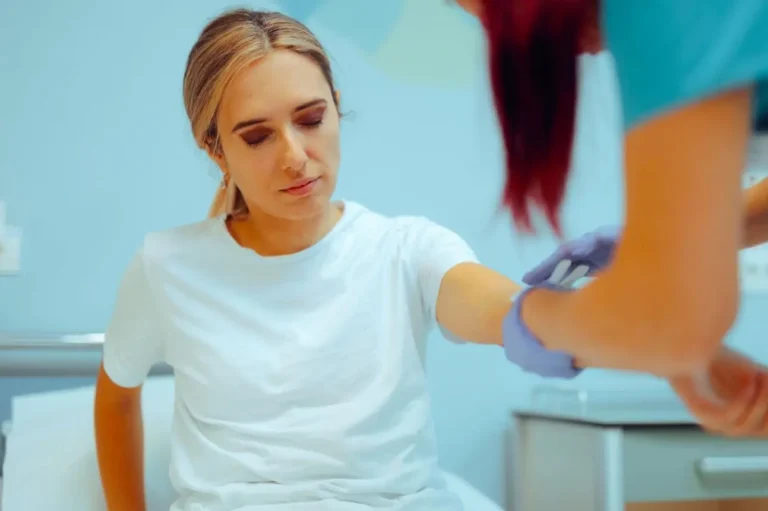
The nurse selects an appropriate vein and inserts the cannula using sterile technique.
Proper insertion helps reduce pain and complications.
4. Monitor IV Infusion
Nurses regularly observe:
- Flow rate
- IV site condition
- Swelling or redness
- Patient discomfort
- Fluid balance
5. Prevent Complications
Nurses help prevent:
- Infection
- Air embolism
- Infiltration
- Phlebitis
- Fluid overload
6. Educate the Patient
Patients should be informed about:
- Purpose of IV therapy
- Movement precautions
- Signs of complications
- Importance of reporting pain or swelling
7. Document the Procedure
Documentation includes:
- Time of insertion
- Site used
- Fluid administered
- Flow rate
- Patient response
- Any complications
Accurate nursing documentation is essential in patient care management.
Step-by-Step Intravenous Therapy Procedure
Step 1: Explain the Procedure
The nurse explains the procedure to the patient to reduce anxiety.
Step 2: Wash Hands and Prepare Equipment
Maintain aseptic precautions.
Step 3: Select Appropriate Vein
Usually veins in the hand or forearm are selected.
Step 4: Apply Tourniquet
The tourniquet helps visualize the vein.
Step 5: Disinfect the Area
Clean the insertion site using antiseptic solution.
Step 6: Insert Cannula
Insert the IV cannula carefully into the vein.
Step 7: Secure the Cannula
Fix the cannula using adhesive dressing.
Step 8: Start Infusion
Connect IV fluid and adjust flow rate.
Step 9: Monitor Patient
Observe patient and IV site regularly.
Complications of Intravenous Therapy
Although IV therapy is highly effective, complications may occur if proper precautions are not followed.
Common Complications Include:
- Phlebitis
- Infiltration
- Infection
- Air embolism
- Hematoma
- Fluid overload
Proper nursing care significantly reduces these risks.
Benefits of Intravenous Therapy
Rapid Medication Delivery
Medicine reaches bloodstream immediately.
Effective Hydration
Helps treat dehydration quickly.
Useful in Emergencies
Critical for emergency and ICU care.
Accurate Dosage Control
Allows precise fluid and medication administration.
Importance of Infection Prevention in IV Therapy
WHO guidelines highlight that proper catheter management, hand hygiene, staff education, and aseptic techniques are essential for reducing bloodstream infections associated with intravenous catheters.
Important infection prevention measures include:
- Hand hygiene
- Sterile technique
- Proper skin disinfection
- Regular site assessment
- Timely catheter replacement
Role of Nursing Education in IV Therapy Training
Practical nursing education helps students develop confidence and competence in IV therapy procedures.
At Ideal Institute of Nursing, students receive:
- Clinical demonstrations
- Hands-on IV training
- Infection control education
- Patient safety training
- Hospital clinical exposure
This prepares students for real healthcare environments.
Why Choose Ideal Institute of Nursing?
Ideal Institute of Nursing provides quality nursing education with practical-oriented clinical training.
Key Features:
- Experienced faculty
- Advanced nursing laboratories
- Practical skill development
- Hospital training exposure
- Student-focused learning environment
The institute prepares future nurses with strong theoretical knowledge and practical healthcare skills.
Career Opportunities After Nursing Training
Students trained in IV therapy and clinical nursing procedures can work in:
- Hospitals
- Intensive Care Units (ICU)
- Emergency departments
- Surgical wards
- Nursing homes
- Community healthcare centers
Practical clinical skills improve nursing career opportunities.
Frequently Asked Questions (FAQs)
What is intravenous therapy?
Intravenous therapy is the administration of fluids or medications directly into a vein.
Why is IV therapy important?
It allows rapid delivery of medicines, fluids, and nutrients into the bloodstream.
What are common complications of IV therapy?
Common complications include infection, phlebitis, infiltration, and fluid overload.
What precautions should nurses take during IV therapy?
Nurses should maintain hand hygiene, use sterile techniques, and monitor patients regularly.
Conclusion
Intravenous therapy is one of the most essential nursing procedures in modern healthcare. Nurses play a critical role in ensuring patient safety, preventing infections, and managing IV treatments effectively.
At Ideal Institute of Nursing, students receive comprehensive training in IV therapy, infection prevention, and patient care procedures to build successful healthcare careers.
Suggested SEO Keywords
- Intravenous therapy in nursing
- IV therapy procedure
- Nursing responsibilities in IV therapy
- IV cannulation procedure
- Infection prevention in IV therapy
- Nursing practical training
- Ideal Institute of Nursing
- IV fluid administration
- Nursing college in Kalyani
- Intravenous infusion procedure