Range of Motion (ROM) Exercises in Nursing: Complete Guide
Range of Motion (ROM) exercises are essential movements used in nursing and physiotherapy to maintain joint flexibility, improve muscle strength, and prevent stiffness. These exercises are especially important for patients who are bedridden, recovering from surgery, or suffering from mobility issues.
At Ideal Institute of Nursing, Kalyani, students are trained to apply ROM exercises effectively in patient care and rehabilitation.
What are Range of Motion (ROM) Exercises?
Range of Motion exercises refer to controlled movements of joints in different directions. These exercises help maintain mobility and prevent complications such as joint stiffness and muscle atrophy.
ROM exercises are widely used in:
Nursing care
Physiotherapy
Rehabilitation programs
Learn more about our nursing programs here:
https://iinkalyani.org/nursing-courses/ (Internal Link)
Types of Range of Motion Exercises
1. Active Range of Motion (AROM)
Performed independently by the patient
Helps improve muscle strength
Enhances joint flexibility
2. Passive Range of Motion (PROM)
Performed by a nurse or caregiver
Used for unconscious or paralyzed patients
Maintains joint mobility without effort
3. Active-Assisted Range of Motion (AAROM)
Patient performs movement with assistance
Ideal for weak or recovering muscles
Common ROM Exercises for Different Body Parts
Neck Exercises
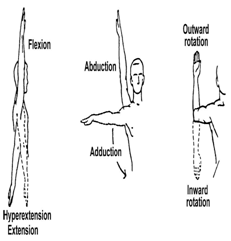
Flexion (bend forward)
Extension (look upward)
Rotation (side-to-side movement)
Shoulder Exercises
Abduction (lift arm sideways)
Adduction (bring arm back)
Rotation
Elbow Exercises
Flexion (bend elbow)
Extension (straighten elbow)
Wrist Exercises
Flexion and extension
Circular movements
Hip Exercises
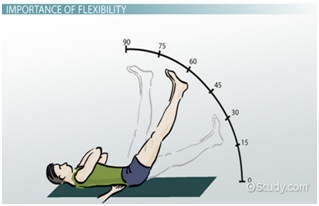
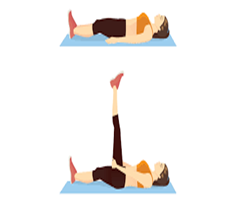
Flexion (lifting leg)
Abduction and adduction
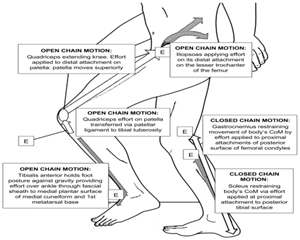
Knee Exercises
Flexion and extension
Ankle Exercises
Dorsiflexion (toes up)
Plantar flexion (toes down)
Benefits of ROM Exercises
ROM exercises provide multiple health benefits, including:
Prevents joint stiffness and contractures
Improves blood circulation
Maintains muscle tone
Reduces pain and swelling
Promotes mobility and independence
Also read:
https://iinkalyani.org/importance-of-physiotherapy/ (Internal Link Suggestion)
Important Nursing Points to Follow
Nurses must follow proper guidelines while performing ROM exercises:
Perform movements slowly and gently
Avoid forcing any movement
Support joints properly
Repeat exercises 5–10 times
Monitor pain, fatigue, or discomfort
Role of ROM Exercises in Patient Recovery
ROM exercises play a vital role in:
Post-surgical rehabilitation
Stroke recovery
Elderly patient care
Long-term bedridden patients
For more medical understanding, refer to:
https://www.ncbi.nlm.nih.gov/ (External Authority Link)
Conclusion
Range of Motion (ROM) exercises are a fundamental part of nursing care and rehabilitation. They help maintain joint flexibility, improve circulation, and enhance overall patient recovery. Regular practice of ROM exercises ensures better mobility, independence, and quality of life for patients.
At Ideal Institute of Nursing, Kalyani, students are trained with practical and clinical knowledge to apply these techniques effectively.
INTERNAL LINKING STRATEGY (IMPORTANT FOR SEO)
You should create or link to these pages:
/nursing-courses//importance-of-physiotherapy//patient-care-techniques/(recommended new blog)/rehabilitation-nursing/(recommended)
EXTERNAL LINK SUGGESTIONS
Use 1–2 authority links: