
Infection Control and Personal Protective Equipment (PPE) Use in Nursing: A Complete Guide by Ideal Institute of Nursing
Healthcare-associated infections remain one of the biggest challenges in modern healthcare systems. Nurses are at the frontline of patient care and play a crucial role in preventing the spread of infections. Proper infection control measures and the correct use of Personal Protective Equipment (PPE) help protect patients, healthcare workers, and visitors from infectious diseases.
At Ideal Institute of Nursing, nursing students receive comprehensive theoretical and practical training in infection prevention, standard precautions, hand hygiene, and PPE usage to ensure patient safety and professional healthcare excellence.
This article explores infection control principles, types of PPE, nursing responsibilities, proper usage techniques, and the importance of infection prevention in healthcare settings.
What is Infection Control?
Infection control refers to the policies, procedures, and practices designed to prevent the spread of infectious microorganisms in healthcare environments.
The primary objectives of infection control are:
- Prevent transmission of infections
- Protect patients and healthcare workers
- Reduce hospital-acquired infections (HAIs)
- Maintain a safe healthcare environment
- Improve patient outcomes
Infection control is a fundamental component of professional nursing practice.
Why is Infection Control Important in Nursing?
Nurses come into direct contact with patients, bodily fluids, contaminated surfaces, and medical equipment. Without proper infection prevention measures, healthcare workers can unknowingly spread infections between patients.
Effective infection control helps:
- Prevent disease transmission
- Protect vulnerable patients
- Reduce healthcare costs
- Improve recovery rates
- Ensure workplace safety
At Ideal Institute of Nursing, infection prevention and patient safety are key components of nursing education and clinical training.
Understanding the Chain of Infection
The chain of infection consists of six elements:
- Infectious Agent
- Reservoir
- Portal of Exit
- Mode of Transmission
- Portal of Entry
- Susceptible Host
Breaking any link in this chain helps stop the spread of infection.
Nurses use infection control practices and PPE to interrupt this chain and reduce transmission risks.
What is Personal Protective Equipment (PPE)?
Personal Protective Equipment (PPE) refers to specialized clothing and equipment worn by healthcare workers to protect themselves and patients from exposure to infectious agents.
PPE creates a protective barrier against:
- Blood
- Body fluids
- Respiratory droplets
- Airborne pathogens
- Contaminated surfaces
Proper PPE usage significantly reduces infection risks in healthcare settings.
Types of Personal Protective Equipment (PPE)
1. Gloves
Medical gloves protect hands from contamination and prevent transmission of microorganisms.
Used During:
- Wound dressing
- Catheter care
- Injection administration
- Blood sample collection
2. Face Masks
Masks help protect against respiratory droplets and airborne particles.
Common Types:
- Surgical Masks
- N95 Respirators
- Procedure Masks
3. Face Shields
Face shields protect the eyes, nose, and mouth from splashes and droplets.
4. Protective Gowns
Gowns protect clothing and skin from contamination.
They are commonly used during:
- Isolation procedures
- Surgical care
- High-risk patient handling
5. Protective Goggles
Goggles provide eye protection against infectious fluids and airborne particles.
Standard Precautions in Nursing
Standard precautions apply to all patients regardless of diagnosis.
These include:
- Hand hygiene
- PPE use
- Respiratory hygiene
- Safe injection practices
- Safe waste disposal
- Environmental cleaning
Every nursing student must understand and follow these precautions consistently.
Hand Hygiene: The First Line of Defense
Hand hygiene remains the most effective method for preventing infection transmission.
Nurses should perform hand hygiene:
- Before touching a patient
- Before aseptic procedures
- After body fluid exposure
- After touching a patient
- After touching patient surroundings
Proper hand hygiene significantly reduces healthcare-associated infections.
Nursing Responsibilities Regarding PPE Use
Nurses have several responsibilities when using PPE.
Assess Risk Before Patient Contact
The nurse must evaluate:
- Patient condition
- Type of infection
- Exposure risk
- Required protection level
Select Appropriate PPE
Different situations require different protective equipment.
For example:
| Procedure | PPE Required |
|---|---|
| Wound Dressing | Gloves |
| Isolation Care | Gloves, Gown, Mask |
| Aerosol Procedures | N95 Mask, Face Shield, Gloves |
Proper Donning and Doffing
Nurses must follow correct procedures when putting on and removing PPE.
Improper removal may result in contamination.
Donning Sequence
- Hand Hygiene
- Gown
- Mask
- Goggles/Face Shield
- Gloves
Doffing Sequence
- Gloves
- Goggles/Face Shield
- Gown
- Mask
- Hand Hygiene
Monitor PPE Integrity
Nurses should ensure:
- PPE is not damaged
- Equipment fits properly
- Contaminated PPE is replaced immediately
Educate Patients and Families
Patient education includes:
- Hand hygiene
- Mask usage
- Respiratory etiquette
- Infection prevention measures
Infection Control Measures in Healthcare Settings
Healthcare facilities implement several infection control strategies:
Environmental Cleaning
Regular cleaning of patient areas and medical equipment.
Biomedical Waste Management
Safe disposal of contaminated materials.
Sterilization and Disinfection
Elimination of harmful microorganisms from equipment.
Isolation Precautions
Special care for infectious patients.
Vaccination Programs
Protection of healthcare workers and patients.
Common Healthcare-Associated Infections (HAIs)
Examples include:
- Catheter-Associated Urinary Tract Infections (CAUTI)
- Surgical Site Infections (SSI)
- Ventilator-Associated Pneumonia (VAP)
- Bloodstream Infections
Proper infection control significantly reduces these risks.
Importance of PPE Training in Nursing Education
Modern healthcare demands nurses who are skilled in infection prevention and PPE usage.
At Ideal Institute of Nursing, students receive:
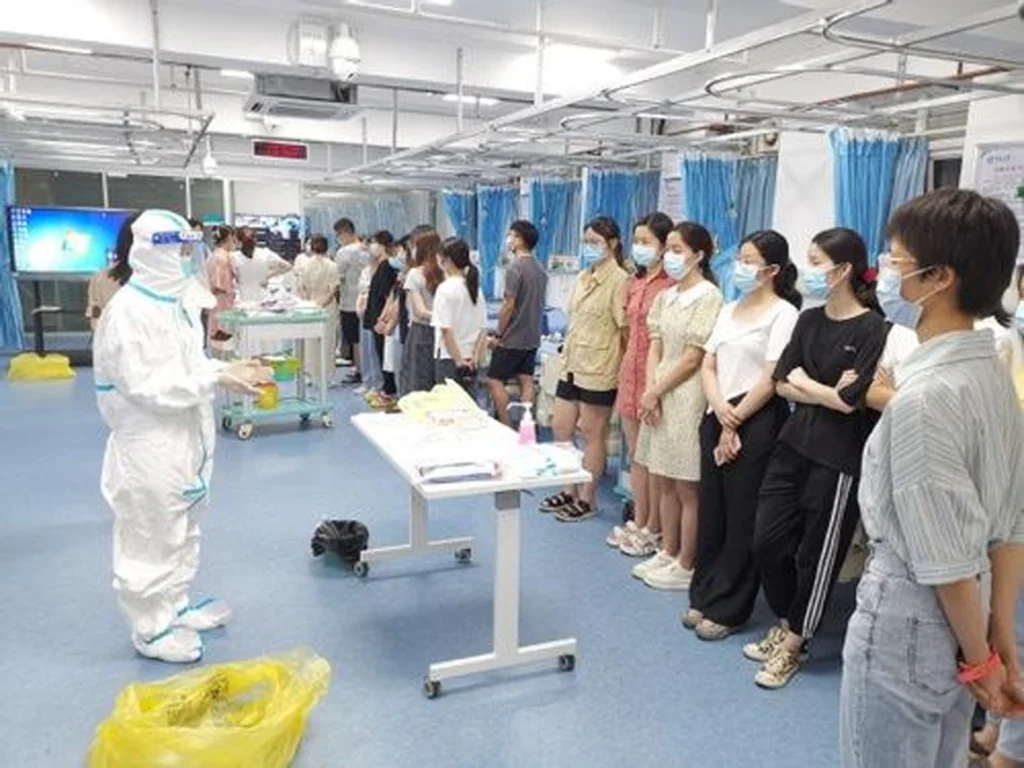
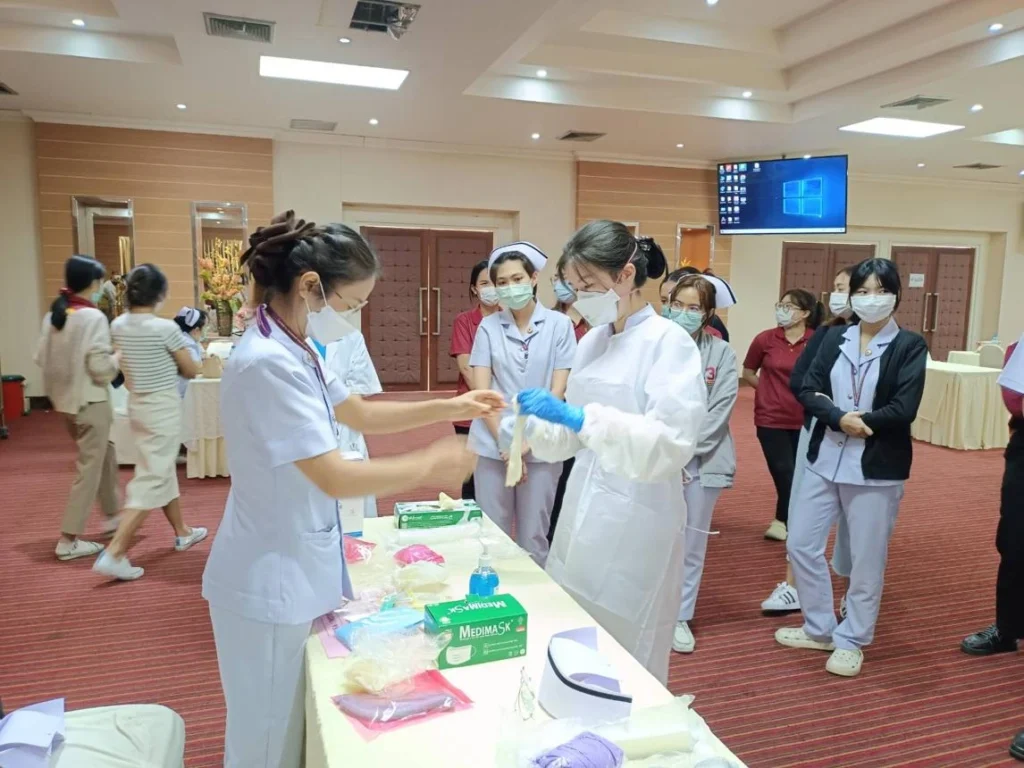
- Practical PPE demonstrations
- Hand hygiene training
- Clinical infection control workshops
- Hospital-based clinical exposure
- Patient safety education
These experiences prepare students for real-world healthcare challenges.
Why Choose Ideal Institute of Nursing?
Ideal Institute of Nursing provides high-quality nursing education focused on clinical competence and patient safety.
Key Highlights
- Experienced Faculty
- Modern Nursing Laboratories
- Practical Clinical Training
- Hospital Exposure
- Infection Control Education
- Professional Skill Development
Students graduate with the confidence and knowledge required for successful nursing careers.
Career Opportunities After Nursing Training
Students trained in infection control and PPE management can work in:
- Hospitals
- Intensive Care Units (ICU)
- Operation Theatres
- Infection Control Departments
- Community Health Centers
- Nursing Homes
These skills are highly valued across healthcare industries.
Conclusion
Infection control and proper PPE usage are essential components of safe nursing practice. By following standard precautions, maintaining hand hygiene, and using PPE correctly, nurses protect themselves and their patients from infectious diseases.
At Ideal Institute of Nursing, students receive comprehensive education and practical training in infection prevention and PPE use, preparing them for successful careers in modern healthcare.