
Oxygen Administration by Ideal Institution of Nursing
Oxygen is essential for human survival, and maintaining adequate oxygen levels in the body is critical for proper organ function. Oxygen administration is a fundamental nursing procedure used to support patients who are unable to maintain sufficient oxygen levels on their own.
At Ideal Institution of Nursing, students are trained to understand both the theoretical and practical aspects of oxygen therapy, ensuring safe and effective patient care.
This comprehensive guide explains oxygen administration, its methods, indications, and the vital role nurses play in delivering this life-saving therapy..
What is Oxygen Administration?
Oxygen administration is the process of providing supplemental oxygen to patients to maintain adequate oxygen levels in the blood and tissues.
What is oxygen administration and why is it used?
Oxygen administration is the delivery of supplemental oxygen to patients with low oxygen levels (hypoxemia). It is used to improve breathing, support vital organs, and prevent complications in conditions like respiratory diseases, trauma, and cardiac problems.
Common Methods of Oxygen Delivery
Different patients require different oxygen delivery systems depending on their condition. At Ideal Institution of Nursing, students are trained in all major oxygen delivery methods.
Nasal Cannula
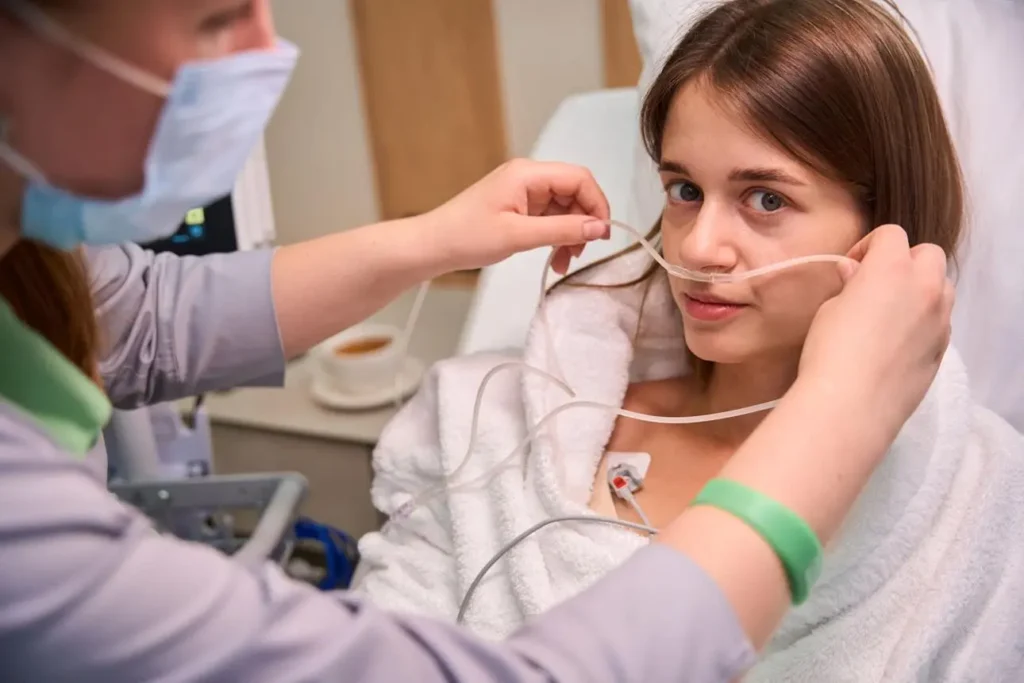
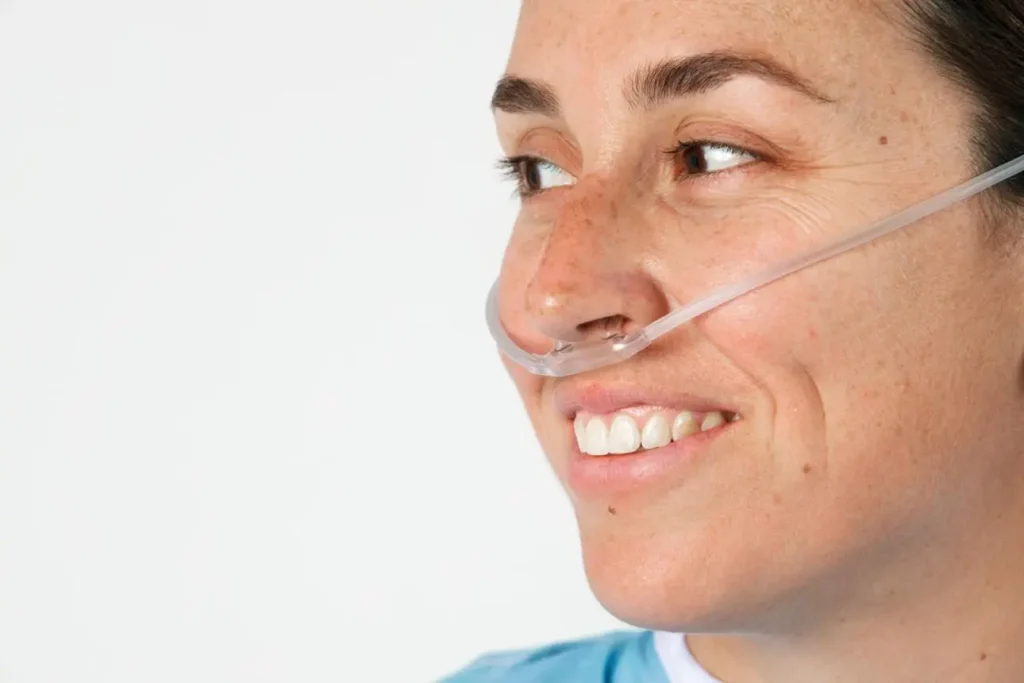

- Two small prongs placed in nostrils
- Delivers low-flow oxygen (1–6 L/min)
- Comfortable for long-term use
- Allows talking and eating
Simple Face Mask
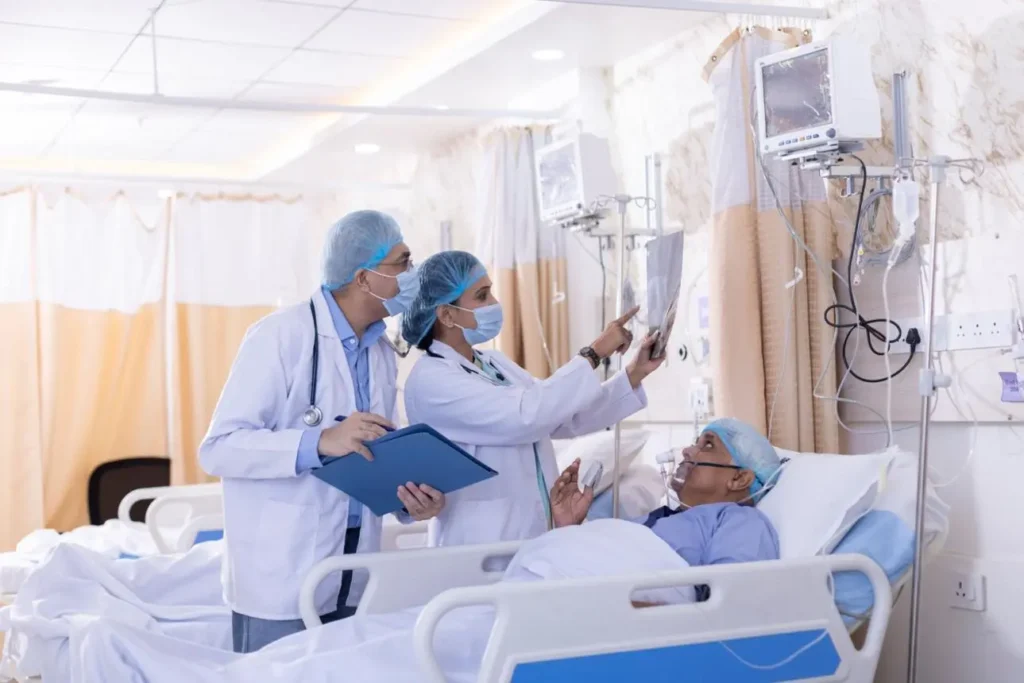
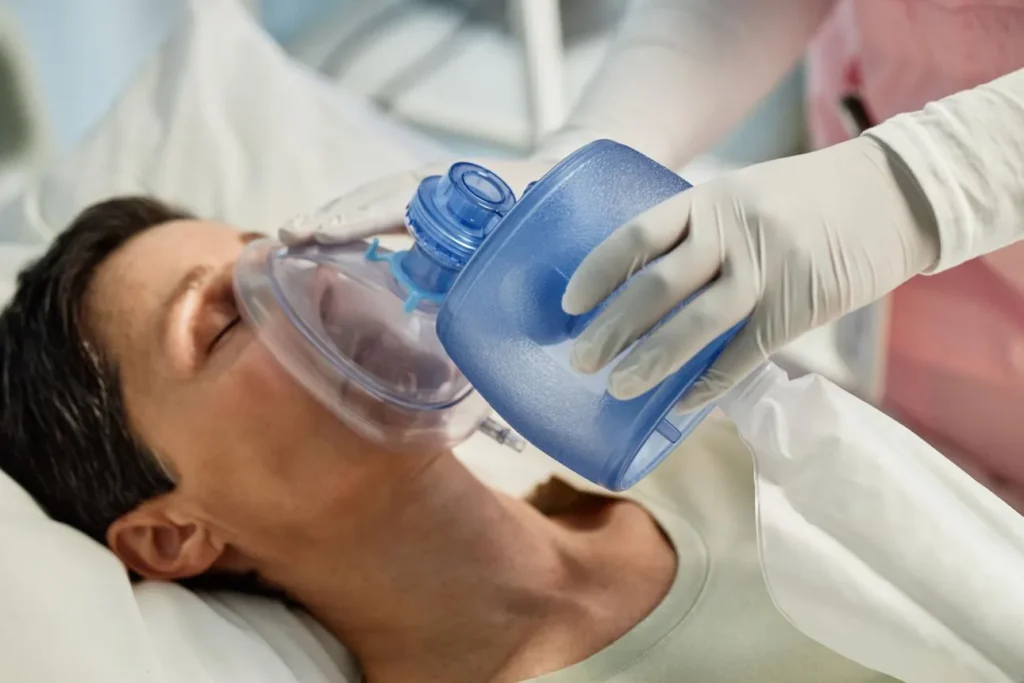
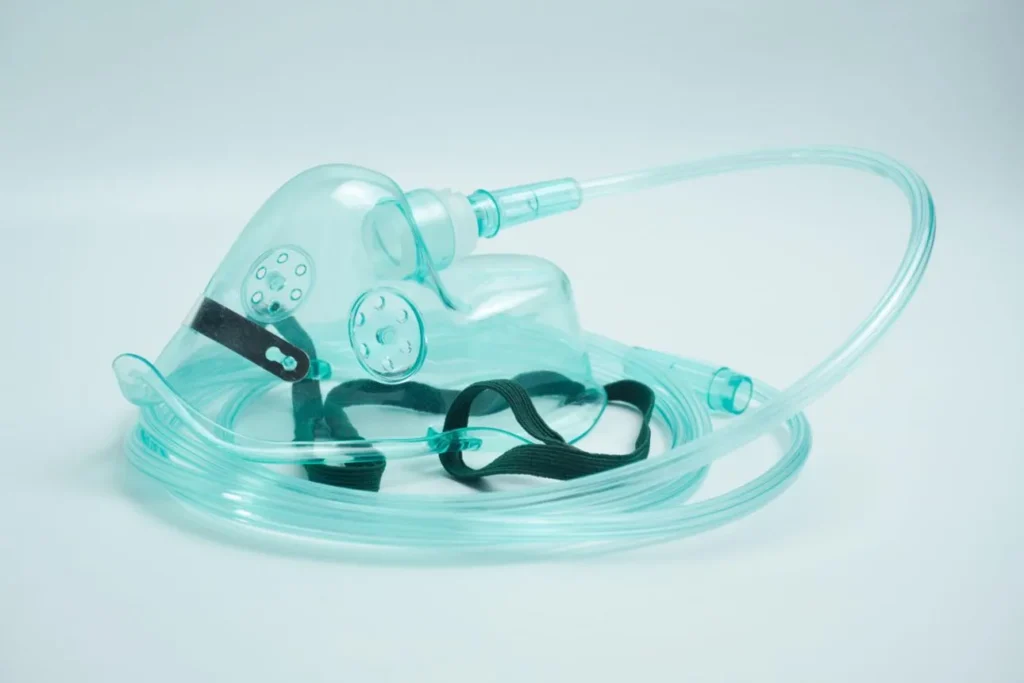
- Covers nose and mouth
- Delivers moderate oxygen (5–10 L/min)
- Used when higher oxygen concentration is required
Non-Rebreather Mask
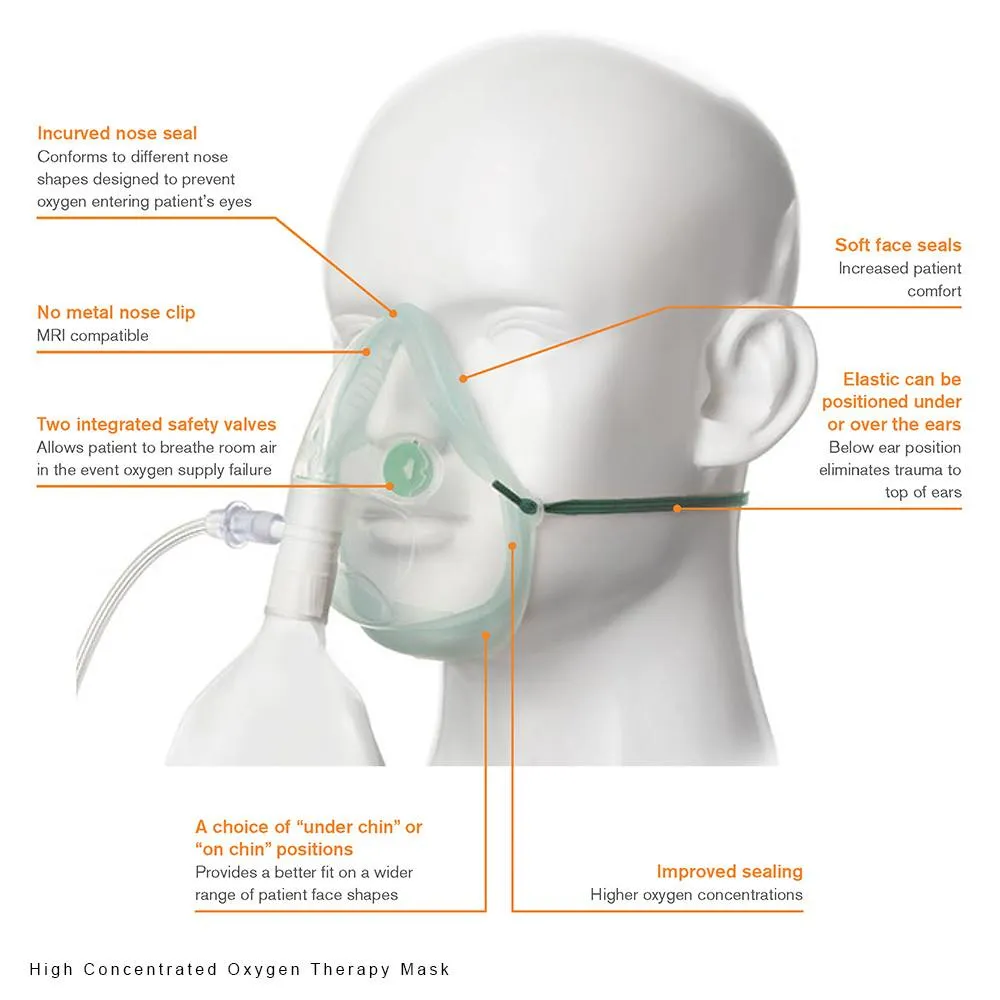
- Includes a reservoir bag
- Delivers high oxygen concentration (up to 90–100%)
- Used in emergencies like trauma and severe hypoxia
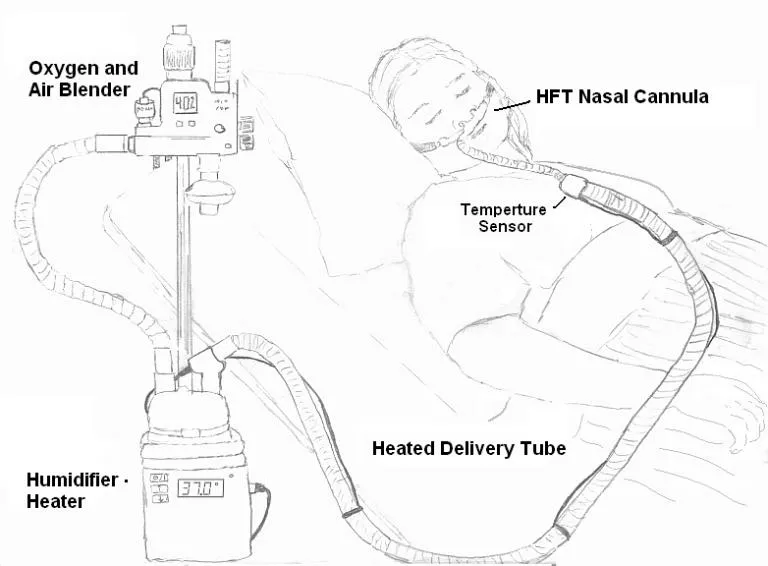
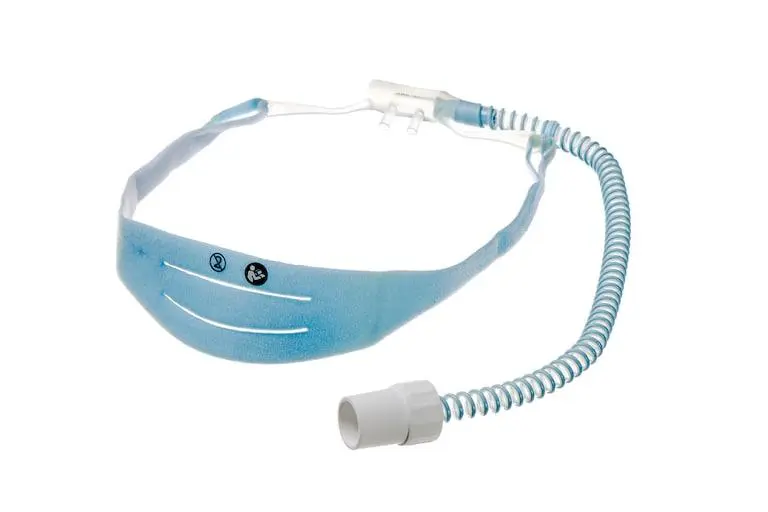
High-Flow Nasal Cannula (HFNC)
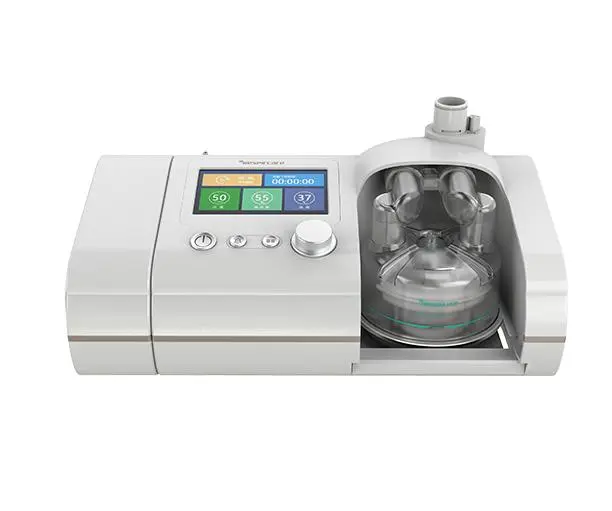
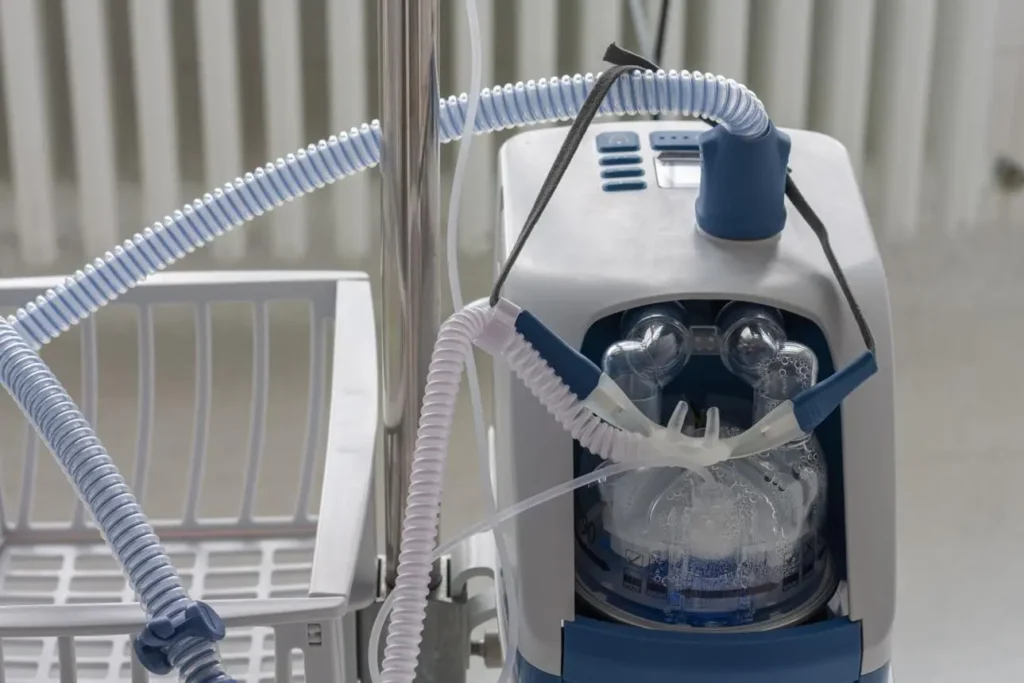
- Delivers heated and humidified oxygen
- High flow rates
- More comfortable than masks
- Used in moderate to severe respiratory distress
Mechanical Ventilation
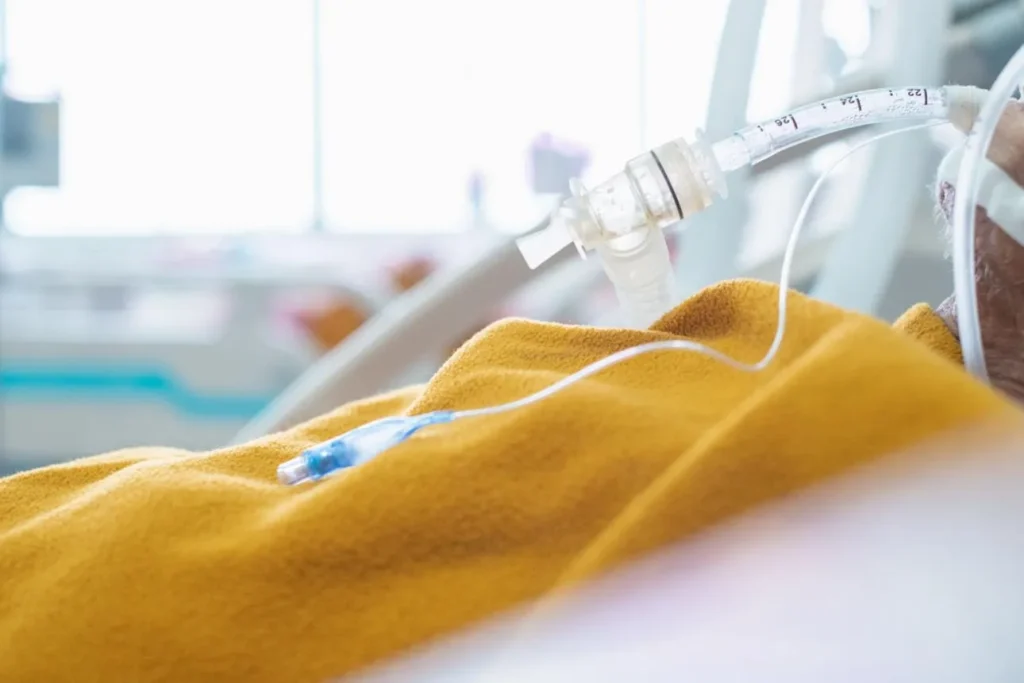
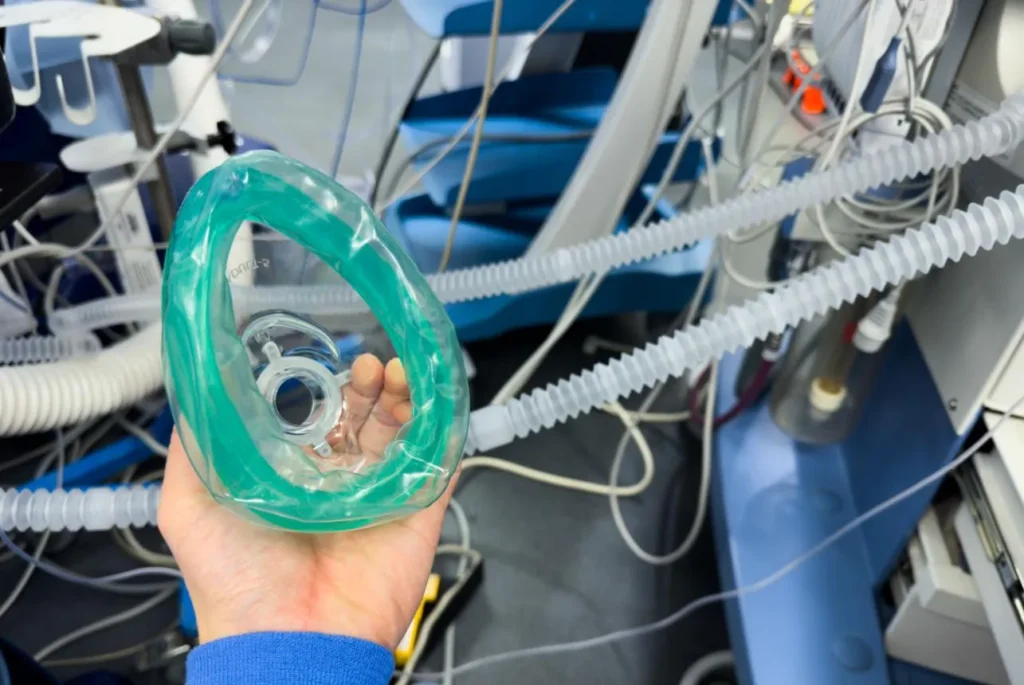
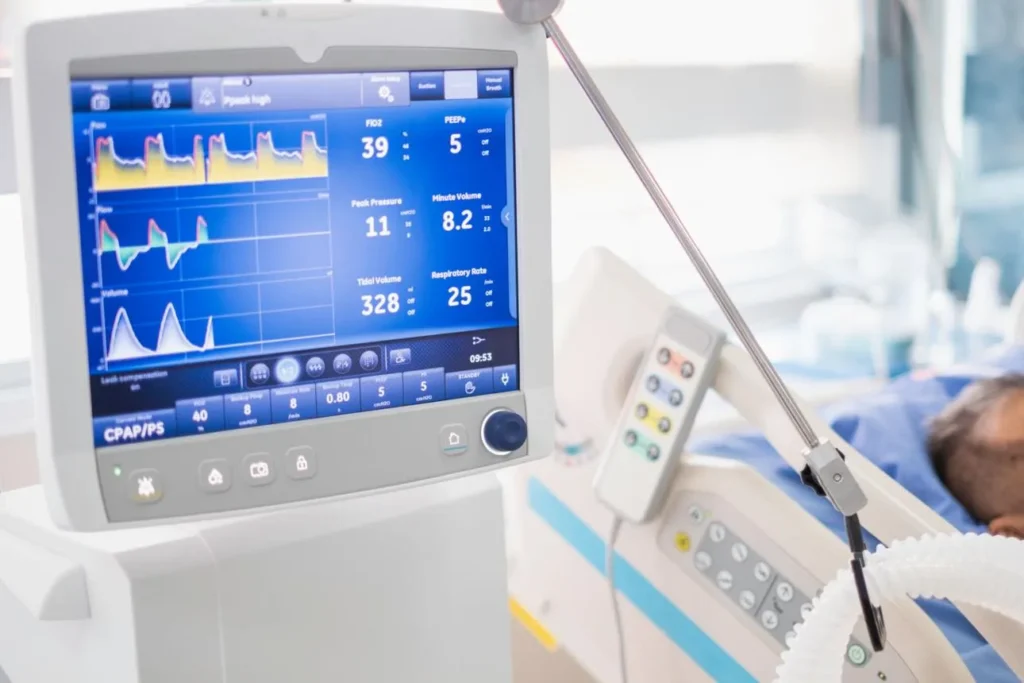
- Used when patients cannot breathe adequately
- Oxygen delivered through tube
- Requires ICU care
Indications for Oxygen Therapy
Oxygen therapy is used in several medical conditions:
- Hypoxemia (low oxygen levels)
- Respiratory diseases like asthma, pneumonia, COPD
- Cardiac conditions
- Trauma or shock
- During surgery and anesthesia
Nursing Responsibilities in Oxygen Administration
Nurses play a critical role in ensuring safe oxygen therapy. At Ideal Institution of Nursing, students are trained with hands-on clinical exposure.
Key Responsibilities
- Assess patient’s respiratory condition and oxygen saturation
- Follow doctor’s prescription for oxygen flow rate
- Select appropriate oxygen delivery device
- Position patient properly (Semi-Fowler’s position)
- Monitor vital signs and oxygen saturation (SpO₂)
- Watch for signs of distress or cyanosis
- Maintain equipment hygiene
- Prevent fire hazards (oxygen supports combustion)
- Observe for oxygen toxicity
- Document therapy and patient response
Safety Precautions in Oxygen Administration
- Avoid smoking or open flames near oxygen
- Use humidifiers when necessary
- Ensure correct flow rate
- Regularly check equipment
Importance of Oxygen Administration in Nursing Education
At Ideal Institution of Nursing, oxygen therapy is a key part of the curriculum. Students are trained in:
- Emergency response
- ICU care techniques
- Patient monitoring systems
- Clinical decision-making
This ensures they are fully prepared for real-world healthcare environments.
What are the different methods of oxygen administration?
The main methods include nasal cannula, face mask, non-rebreather mask, Venturi mask, high-flow nasal cannula, and mechanical ventilation.
When is oxygen therapy required?
It is required in conditions like hypoxemia, respiratory diseases, heart problems, trauma, and during surgery.
What is the safest oxygen delivery method?
The nasal cannula is considered safest for mild cases, while Venturi masks provide precise oxygen levels.
How do nurses monitor oxygen therapy?
Nurses monitor oxygen saturation (SpO₂), respiratory rate, and patient condition regularly.
Why Choose Ideal Institution of Nursing?
Ideal Institution of Nursing offers:
- Advanced clinical training
- Skilled faculty
- Practical exposure in hospitals
- Modern lab facilities
Students gain expertise in essential procedures like oxygen administration, making them industry-ready professionals.
Conclusion
Oxygen administration is a life-saving procedure that plays a vital role in modern healthcare. Proper knowledge, careful monitoring, and adherence to safety protocols are essential for effective oxygen therapy.
At Ideal Institution of Nursing, students are trained to deliver high-quality patient care with confidence and precision.