
Home Management of Ostomy Patients: A Complete Care Guide
Living with an ostomy can bring several changes to a person’s daily routine, especially during the first few weeks after surgery. Patients and their families may have questions about stoma care, pouch changing, food choices, personal hygiene and how to recognise possible complications. With the right education, support and follow-up, many people with an ostomy can return to their usual activities and lead active, fulfilling lives.
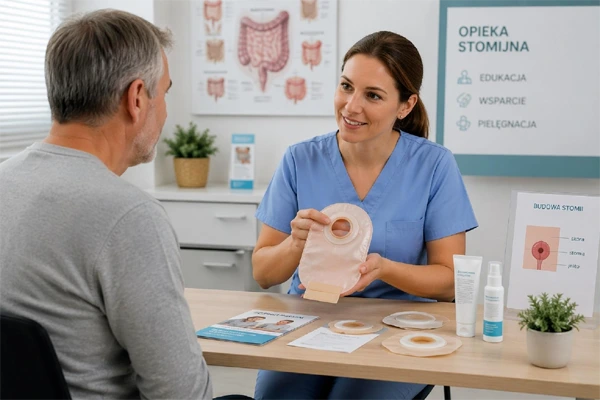
Home management of ostomy patients focuses on maintaining a healthy stoma, protecting the surrounding skin, managing the ostomy pouch, preventing complications and supporting emotional well-being. Nurses play an important role in helping patients develop these self-care skills before discharge and throughout recovery.
For nursing students, understanding ostomy care is an essential part of learning postoperative care, patient education and rehabilitation nursing.
What Is an Ostomy?
An ostomy is a surgically created opening in the abdomen that allows stool or urine to leave the body when the normal route is unavailable or needs to be bypassed. The opening is called a stoma. Depending on the type of surgery, the stoma connects to part of the intestine or urinary system.
An ostomy may be temporary, allowing the affected area to heal, or permanent when the normal route cannot be restored. Patients generally wear a specially designed pouching system to collect the output.
The appearance of a healthy intestinal stoma is usually pink or red, moist and similar to the inside of the mouth. A stoma has no normal pain sensation, although the skin around it can become sore or irritated. Patients should learn what is normal for their own stoma and report significant changes to their healthcare team.
Types of Ostomy
Understanding the type of ostomy helps patients and caregivers follow the correct care routine.
1. Colostomy
A colostomy is created from the colon, or large intestine. The consistency and frequency of stool depend partly on the location of the stoma. A colostomy closer to the end of the colon often produces more formed stool than one located further along the colon.
2. Ileostomy
An ileostomy is created from the ileum, the final part of the small intestine. Output is often loose or liquid and may contain digestive enzymes that can irritate the surrounding skin. Patients with an ileostomy need particular attention to fluid intake, output and signs of dehydration.
3. Urostomy
A urostomy diverts urine through a surgically created opening. Patients need to understand their particular urinary drainage system, how to empty and change the pouch, and how to recognise changes that may indicate infection or obstruction.
The care plan should always be adapted to the patient’s type of ostomy, surgical procedure and individual clinical needs.
Why Is Home Management of Ostomy Patients Important?
Effective home care helps patients become more confident and reduces preventable problems after discharge.
The main goals include:
- Keeping the stoma and surrounding skin healthy.
- Ensuring the pouching system fits securely and collects output effectively.
- Preventing leakage, odour problems and skin irritation.
- Maintaining adequate nutrition and hydration.
- Recognising complications early.
- Supporting independence and personal hygiene.
- Encouraging a safe return to social, family and work activities.
- Improving confidence, dignity and quality of life.
Home care does not replace medical follow-up. Regular communication with the surgical team or an ostomy care nurse remains important, particularly during recovery.
Essential Equipment for Ostomy Care at Home
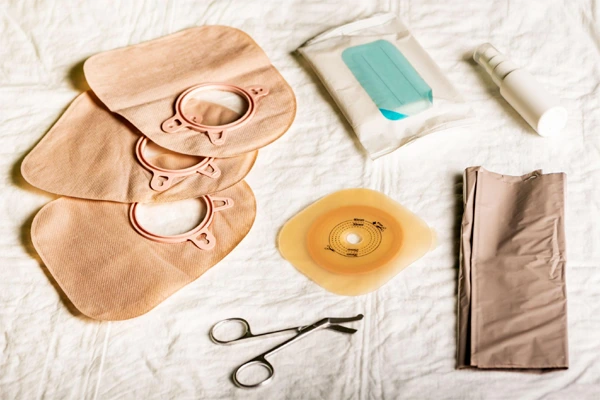
Preparing supplies before changing the pouch makes the procedure easier and helps maintain hygiene. Common items include:
- A new ostomy pouch and compatible skin barrier.
- A measuring guide and scissors, if required for the pouching system.
- Soft gauze or a clean, soft cloth.
- Warm water for gentle cleansing.
- A disposal bag.
- A towel to protect clothing or the surrounding area.
- A skin barrier product or other accessories if recommended.
- A mirror to help the patient inspect the stoma.
- A record of output or fluid intake when advised by the healthcare team.
Not every patient needs every item. Follow the manufacturer’s instructions and the individual care plan. Avoid using household solvents, harsh soaps, oils or unapproved products on the skin barrier area.
Step-by-Step Guide to Ostomy Pouch Care at Home
The following steps provide a general educational overview. Patients should practise the procedure with a qualified nurse before managing their ostomy independently.
Step 1: Prepare the area
Choose a clean, well-lit and comfortable place. Gather all supplies before removing the existing pouch. Wash your hands thoroughly and protect clothing or nearby surfaces.
Step 2: Remove the old pouch gently
Carefully loosen the adhesive barrier while supporting the skin. Avoid pulling the pouch away abruptly, as this can damage the skin. Dispose of the used system in accordance with local waste-disposal guidance.
Step 3: Inspect the stoma and surrounding skin
Check the stoma’s colour, size and appearance. Look for unusual swelling, bleeding, changes in output, skin redness, sores or areas where leakage may have occurred.
A small amount of spotting may occur when a stoma is gently cleaned because its surface contains many blood vessels. Persistent bleeding, heavy bleeding or other significant changes require medical assessment.
Step 4: Clean the skin gently
Clean the stoma and surrounding skin with warm water and a soft cloth or gauze. Pat the skin dry before applying the new pouching system. Use additional cleansing products only if recommended by your ostomy care professional.
Step 5: Measure and fit the skin barrier
The opening should fit closely around the stoma without squeezing it or leaving excessive exposed skin. Stoma size may change during the early postoperative period, so regular measurement may be necessary. Follow the instructions for your particular pouching system.
Step 6: Apply the new pouch
Apply the skin barrier to clean, dry skin and secure the pouch according to the manufacturer’s instructions. Check that the system is attached properly and that any opening or closure is correctly positioned.
Step 7: Check the seal and comfort
Make sure the pouch is comfortable and the barrier lies smoothly against the skin. Watch for folds or gaps that may allow output to leak underneath the barrier.
Step 8: Dispose of waste and wash your hands
Dispose of used supplies hygienically and wash your hands. Record any unusual changes and contact the healthcare team if you notice a problem.
How often should the pouch be changed? The schedule depends on the pouching system, output, skin condition and individual needs. Change it according to the manufacturer’s guidance and your ostomy nurse’s instructions. Do not wait for repeated leakage before replacing a system that is no longer secure.
Skin Care Around the Stoma
Healthy skin is essential for a comfortable and reliable ostomy pouch seal. Contact with stool or urine, repeated adhesive removal, moisture and a poorly fitting barrier can cause irritation.
To protect the skin:
- Ensure the skin barrier fits correctly around the stoma.
- Clean the area gently and dry it thoroughly.
- Avoid pulling adhesive products off forcefully.
- Empty the pouch before it becomes too full or heavy.
- Seek advice if itching, burning, redness or leakage continues.
- Avoid applying powders, creams or oils beneath the barrier unless advised by an ostomy specialist.
A rash, open sore, persistent pain or recurring leakage should not be ignored. An ostomy nurse can help identify the cause and adjust the pouching system.
Diet and Nutrition for Ostomy Patients
Food choices after ostomy surgery should be guided by the type of ostomy, recovery stage, underlying condition and individual tolerance. Most patients can gradually return to a varied diet, but changes should be introduced carefully.
Eat a balanced diet
Include suitable sources of protein, carbohydrates, healthy fats, vitamins and minerals. Protein-rich foods can support healing, while fruits, vegetables and whole grains can contribute to a balanced diet when tolerated.
Introduce foods gradually
After surgery, some foods may initially cause gas, odour, changes in output or discomfort. Introduce unfamiliar foods one at a time and observe how your body responds. Chewing food thoroughly may help reduce the risk of blockage for some ileostomy patients.
Maintain adequate fluid intake
Hydration is especially important for people with an ileostomy because output may be more liquid and substantial fluid and salt losses can occur. Follow the advice of your healthcare team about fluids and oral rehydration solutions, particularly if output is high.
Understand individual food triggers
Beans, onions, certain vegetables and fizzy drinks may increase gas in some people. Other foods can alter stool consistency or odour. Reactions differ, so a food diary may help identify personal triggers without unnecessarily restricting the diet.
Patients should seek individual dietary advice if they experience persistent diarrhoea, reduced output, unexplained weight loss or difficulty maintaining hydration.
Personal Hygiene, Clothing and Daily Activities
Having an ostomy does not mean giving up personal independence. Many patients can shower or bathe, wear comfortable clothing, travel and return to work or hobbies once their healthcare team confirms that recovery is progressing appropriately.
Bathing and hygiene
Patients can generally shower with or without their pouch, depending on their preference and pouching system. Follow the manufacturer’s instructions and ensure the barrier is secure before resuming normal activities.
Clothing
Most people can wear their usual clothes. Comfortable clothing that does not place excessive pressure on the stoma or pouch may be helpful, especially during early recovery.
Exercise and lifting
Walking and gradually increasing activity can support recovery when approved by the surgical team. Heavy lifting and strenuous abdominal exercise may need to be restricted initially to reduce the risk of a hernia or other complications.
Travel and social activities
Carry extra pouches, skin barriers, disposal bags and any other necessary supplies when travelling. Knowing where to obtain additional supplies and having a plan for changing the pouch away from home can make outings less stressful.
Emotional Support and Quality of Life
Adjusting to an ostomy involves more than learning a physical care routine. Patients may feel embarrassed, anxious or worried about body image, relationships, intimacy or changes in their daily lives. These feelings are understandable and deserve compassionate support.
Family members can help by respecting privacy, offering practical assistance when requested and encouraging independence rather than taking over every task.
Patients may also benefit from speaking with an ostomy care nurse, counsellor or peer support group. Education and shared experiences can help reduce anxiety and build confidence.
Common Ostomy Complications and Warning Signs
Recognising changes early is an important part of home management of ostomy patients.
Skin irritation and leakage
Repeated leakage, itching, redness or soreness may indicate that the pouch does not fit correctly or that the skin needs assessment. Seek advice if these problems continue.
Dehydration
People with an ileostomy can become dehydrated, particularly when output is high. Warning signs include excessive thirst, dry mouth, dizziness, dark urine and reduced urination. Contact the healthcare team promptly if these occur.
Stoma blockage
A blockage may cause abdominal cramps, swelling, nausea, vomiting or a marked reduction or absence of output. These symptoms need urgent medical advice, especially for an ileostomy.
Stoma colour changes
A healthy intestinal stoma is usually pink or red. A stoma that becomes pale, dark purple, blue or black may indicate a blood supply problem and needs urgent medical assessment.
Retraction or prolapse
Retraction occurs when the stoma sinks below the skin surface. Prolapse occurs when more of the intestine protrudes through the opening than usual. Either change may affect pouch fit and should be assessed by a healthcare professional.
Bleeding
Small spots of blood can occur during gentle cleaning. Persistent or heavy bleeding, blood within the pouch output or bleeding accompanied by dizziness requires prompt assessment.
Seek emergency medical care for severe or worsening abdominal pain, repeated vomiting, heavy bleeding, collapse, a markedly discoloured stoma or suspected blockage accompanied by significant symptoms. Follow your individual emergency plan and do not attempt to treat a serious complication at home.
Nursing Responsibilities in the Home Management of Ostomy Patients
Nurses help patients develop the practical knowledge and confidence required for safe self-care.
Important nursing responsibilities include:
- Assessing the stoma, surrounding skin and pouching system.
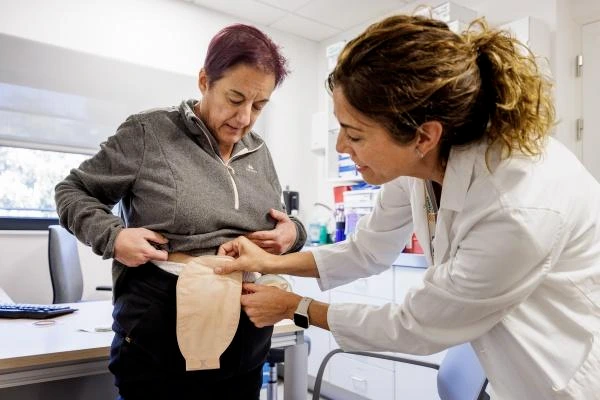
- Teaching patients how to empty and change the pouch.
- Explaining hygiene, skin protection and safe disposal of supplies.
- Monitoring output and hydration, especially in ileostomy patients.
- Providing dietary guidance within the nurse’s professional scope.
- Recognising signs of infection, obstruction, dehydration or other complications.
- Supporting emotional adjustment and maintaining patient dignity.
- Involving family caregivers when appropriate and with the patient’s consent.
- Arranging follow-up with the surgical team or specialist ostomy nurse.
- Documenting education, assessment findings and any concerns.
Before discharge, the nurse should assess whether the patient or caregiver can demonstrate the essential care steps, explain warning signs and identify where to seek help.
Benefits of Effective Home Ostomy Management
Appropriate home care can help maintain healthy skin, improve pouch security, reduce preventable complications and support patient independence. It can also reduce anxiety by helping patients understand their routine and recognise when they need professional advice.
Successful management is not about achieving perfection every day. It involves learning gradually, adapting supplies when necessary and knowing when to ask for help.
Why Is Ostomy Care Important for Nursing Students?
Home management of ostomy patients is a valuable topic in medical-surgical nursing because it combines postoperative care, patient education, nutrition, skin assessment, complication prevention and rehabilitation.
Nursing students should understand the differences between colostomy, ileostomy and urostomy care, practise pouch management under supervision and learn how to identify warning signs that require escalation.
At Ideal Institute of Nursing, studying ostomy care can help students develop clinical observation skills, effective communication and a patient-centred approach to long-term care. Simulation and supervised clinical practice are important for translating theoretical knowledge into safe nursing practice.
Frequently Asked Questions About Home Management of Ostomy Patients
1. What is home management of ostomy patients?
It involves caring for the stoma and surrounding skin, managing the pouching system, maintaining hydration and nutrition, preventing complications and attending recommended follow-up appointments.
2. How often should an ostomy bag be changed?
The frequency depends on the pouching system, type of ostomy, output and skin condition. Follow the manufacturer’s instructions and the individual care plan. Replace a leaking or insecure system promptly.
3. Can ostomy patients eat normal food?
Many patients can gradually return to a varied diet. Food tolerance differs, and some patients need individual advice about fibre, fluid intake or foods that affect output. People with an ileostomy should understand the signs of dehydration and blockage.
4. Can a person with an ostomy take a bath or shower?
Most people can shower or bathe according to their recovery status and pouching system instructions. The pouch may be worn or removed depending on personal preference and the product guidance.
5. What does a healthy stoma look like?
A healthy intestinal stoma is generally pink or red, moist and similar to the inside of the mouth. Significant colour changes, unusual swelling or persistent bleeding should be assessed by a healthcare professional.
6. What are the signs of an ostomy complication?
Warning signs include repeated leakage, persistent skin irritation, dehydration, abdominal pain, vomiting, reduced output or a stoma that becomes unusually pale, purple, blue or black. Severe symptoms require urgent medical attention.
7. How can ostomy patients prevent skin irritation?
Use a correctly fitted skin barrier, clean the area gently, dry it thoroughly and avoid forceful adhesive removal. Persistent redness, itching or soreness should be assessed by an ostomy care professional.
8. Can ostomy patients exercise and travel?
Many patients can gradually return to exercise and travel after recovery, subject to medical advice. Carrying spare supplies and following guidance about lifting and abdominal strain can help make activities safer.
9. What is the role of a nurse in ostomy care?
Nurses assess the stoma and skin, teach pouch management, monitor output and hydration, provide education, support emotional well-being and help patients recognise complications that require medical attention.
Conclusion
Home management of ostomy patients is an important part of recovery and long-term well-being. Correct pouch care, gentle skin cleansing, appropriate nutrition, adequate hydration and early recognition of complications can help patients maintain comfort and confidence.
Every ostomy patient has individual needs, so education and follow-up should be tailored to the type of ostomy, medical condition and lifestyle. Nurses play a vital role in helping patients and caregivers build the skills required for safe, independent care.
For nursing students, understanding ostomy management provides valuable knowledge of postoperative care, patient education and rehabilitation nursing. With appropriate training, practical guidance and compassionate support, patients can learn to manage their ostomy and return to many of the activities that matter to them.
Medical disclaimer: This article is intended for educational purposes and does not replace individual medical advice or hands-on training from a qualified healthcare professional. Patients should follow the care plan provided by their surgical team or ostomy care nurse.