
Steam Inhalation: A Simple, Time-Tested Way to Ease Cold and Congestion
Winter mornings in Kalyani often begin the same way for many of us — a scratchy throat, a stuffy nose, and that heavy feeling behind the eyes that comes with seasonal colds. Long before decongestant sprays and syrups became common, families relied on a much simpler remedy: a bowl of hot water, a towel, and a few deep breaths of steam. That humble practice, steam inhalation, is still one of the most trusted home remedies passed down through generations — and modern medicine agrees it has real, practical benefits when done the right way.
What Is Steam Inhalation?
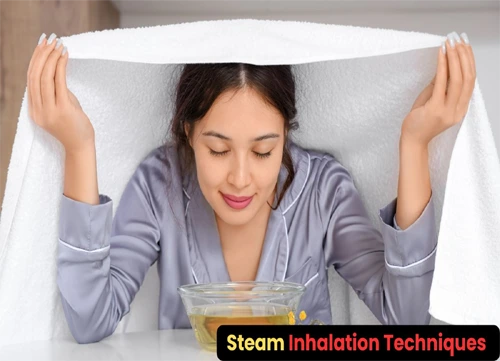
Steam inhalation is the practice of breathing in water vapor to moisten and soothe the nasal passages, sinuses, and airways. It’s usually done by leaning over a bowl of hot (not boiling) water, sometimes with a towel draped over the head to trap the steam, and breathing slowly through the nose and mouth for several minutes.
Why People Turn to Steam Inhalation
- Loosens mucus — warm, moist air helps thin thickened mucus in the nasal passages, making it easier to clear a blocked nose.
- Soothes irritation — the warmth can calm a dry, scratchy throat and reduce the raw feeling that comes with coughing.
- Eases sinus pressure — many people report temporary relief from the tightness and pressure that builds up around the forehead and cheeks during a cold or sinus infection.
- A comforting ritual — beyond the physical effects, the slow, deliberate breathing involved can simply feel calming when you’re unwell.
How to Do It Safely
- Boil water and let it cool for a minute or two before use — it should be hot and steaming, not scalding.
- Pour the water into a wide, heat-safe bowl and sit at a comfortable distance from it.
- Optionally, drape a clean towel over your head and the bowl to trap the steam.
- Close your eyes and breathe slowly through your nose for 5–10 minutes.
- Keep a safe distance (at least 12 inches) to avoid burns from the steam or accidental spills.
Adding a few drops of eucalyptus or menthol oil is a common practice, but this is optional and not necessary for the remedy to work.
Who Should Be Careful
Steam inhalation is generally considered safe for most healthy adults, but a few groups should take extra caution or check with a doctor first:
- Young children, due to the risk of burns from hot water or steam
- People with asthma, as hot steam can sometimes trigger airway irritation in sensitive individuals
- Anyone with facial skin conditions or recent facial injuries
- Pregnant women, who should consult their healthcare provider before trying home remedies
When to See a Doctor
Steam inhalation can ease everyday cold and congestion symptoms, but it isn’t a cure. If symptoms last more than 10 days, are accompanied by high fever, difficulty breathing, chest pain, or seem to be getting worse instead of better, it’s time to consult a medical professional rather than relying on home care alone.
The Takeaway
Steam inhalation remains popular for good reason — it’s inexpensive, easy to do at home, and can offer genuine comfort during a cold or sinus flare-up. Used sensibly and with basic safety precautions, it’s a small ritual that has stood the test of time for a good reason.
This article is for general informational purposes and is not a substitute for professional medical advice. Please consult a qualified healthcare provider for diagnosis and treatment.