
Catheter Care: Procedure, Nursing Responsibilities, and Infection Prevention
Catheter care is one of the most important aspects of nursing practice and patient hygiene management. Proper catheter care helps prevent infections, ensures patient comfort, and promotes faster recovery. Nurses play a crucial role in maintaining urinary catheter hygiene and monitoring patients for complications.
At Ideal Institute of Nursing, nursing students receive practical and theoretical training on catheter care procedures, infection prevention techniques, and bedside patient management.
This article explains catheter care, nursing responsibilities, procedures, precautions, benefits, and the importance of proper urinary catheter management in healthcare settings.
What is Catheter Care?
Catheter care refers to the cleaning, maintenance, and monitoring of a urinary catheter to prevent infection and ensure proper urinary drainage.
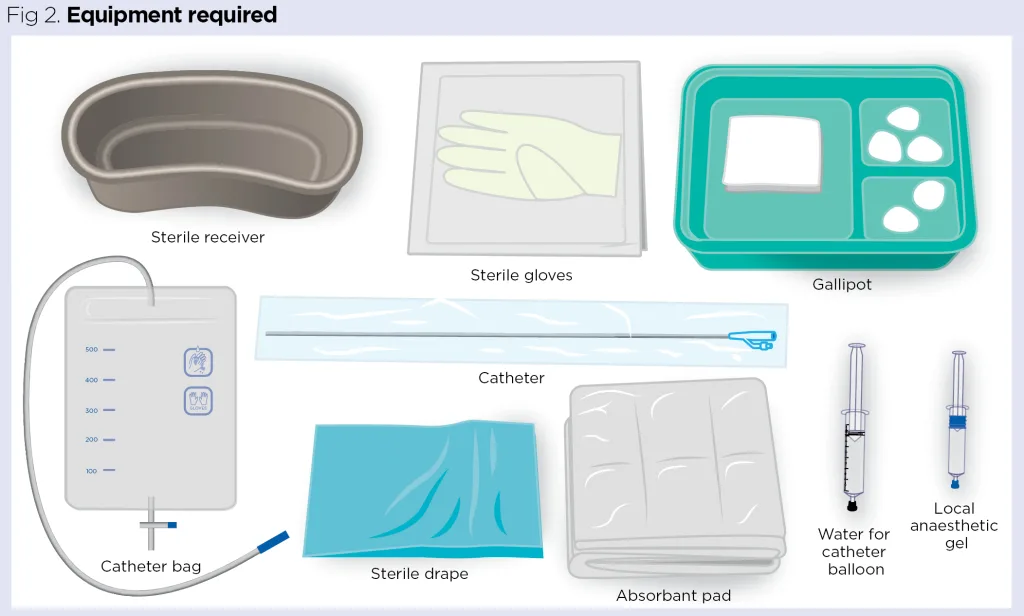
A urinary catheter is a flexible tube inserted into the bladder to drain urine when a patient cannot urinate normally.
Catheters are commonly used for:
- Post-surgical patients
- Bedridden patients
- Critically ill patients
- Patients with urinary retention
- Elderly patients
- Patients with spinal injuries
Proper catheter care is essential to reduce the risk of catheter-associated urinary tract infections (CAUTI).
Importance of Catheter Care in Nursing
Catheter care is extremely important because it:
- Prevents urinary tract infections
- Maintains patient comfort
- Ensures proper urine drainage
- Prevents blockage of catheter
- Reduces hospital complications
- Improves patient hygiene
At Ideal Institute of Nursing, students are trained to follow evidence-based nursing practices for safe catheter management.
Types of Urinary Catheters
1. Foley Catheter
An indwelling catheter inserted into the bladder and kept in place using a balloon.
2. Intermittent Catheter
Inserted temporarily to empty the bladder and then removed.
3. Suprapubic Catheter
Inserted surgically through the abdomen directly into the bladder.
Understanding catheter types helps nurses provide appropriate patient care.
Nursing Responsibilities Regarding Catheter Care
Nurses have several important responsibilities while caring for patients with urinary catheters.
1. Maintain Hand Hygiene
Proper hand washing before and after catheter care is essential to prevent infection transmission.
Nurses should always use:
- Soap and water
- Alcohol-based hand sanitizer
- Sterile gloves when necessary
2. Monitor Catheter Function
Nurses must regularly observe:
- Urine flow
- Urine color
- Urine quantity
- Presence of blood or sediment
- Signs of blockage
Any abnormality should be reported immediately.
3. Maintain Catheter Hygiene
The catheter insertion site should be cleaned regularly using:
- Clean water
- Mild soap
- Sterile wipes if prescribed
Proper hygiene prevents bacterial growth around the catheter area.
4. Prevent Catheter-Associated Infections
To reduce infection risk, nurses should:
- Keep drainage bag below bladder level
- Avoid unnecessary catheter handling
- Ensure closed drainage system
- Empty urine bag regularly
- Prevent kinks in tubing
Students at Ideal Institute of Nursing receive hands-on training in infection control and patient safety.
5. Ensure Patient Comfort
Nurses help patients remain comfortable by:
- Securing catheter properly
- Preventing pulling or tension
- Maintaining privacy
- Educating patients about catheter care
Compassionate nursing care improves patient confidence and recovery.
6. Observe for Complications
Nurses must watch for signs of complications such as:
- Fever
- Pain
- Foul-smelling urine
- Leakage
- Redness or swelling
- Reduced urine output
Early detection helps prevent serious infections.
7. Document Catheter Care
Documentation includes:
- Urine output
- Catheter condition
- Cleaning performed
- Patient complaints
- Any abnormal findings
Accurate nursing documentation is essential for patient management.
Step-by-Step Catheter Care Procedure
Step 1: Explain the Procedure
Explain catheter care to the patient to reduce anxiety and gain cooperation.
Step 2: Wash Hands and Wear Gloves
Maintain infection control measures.
Step 3: Position the Patient
Place the patient comfortably with privacy maintained.
Step 4: Clean the Catheter Area
Clean gently around the insertion site from front to back.
Step 5: Check Tubing and Drainage Bag
Ensure there are no bends or blockage.
Step 6: Empty the Drainage Bag
Empty urine into a measuring container if required.
Step 7: Dispose Waste Properly
Follow biomedical waste disposal protocols.
Step 8: Document Findings
Record observations and nursing care provided.
Benefits of Proper Catheter Care
Reduces Infection Risk
Good catheter hygiene prevents urinary tract infections.
Improves Patient Comfort
Proper care reduces irritation and discomfort.
Promotes Faster Recovery
Healthy urinary drainage supports healing.
Prevents Complications
Regular monitoring helps detect problems early.
Common Complications of Poor Catheter Care
Improper catheter care may lead to:
- Urinary tract infection (UTI)
- Catheter blockage
- Bladder infection
- Kidney infection
- Skin irritation
- Urine leakage
Nurses play a critical role in preventing these complications.
Catheter Care for Bedridden Patients
Bedridden patients require extra attention because they are more vulnerable to infections.
Important nursing considerations include:
- Frequent hygiene care
- Regular repositioning
- Monitoring urine output
- Maintaining dry bedding
- Preventing pressure sores
Practical training at Ideal Institute of Nursing prepares students for real hospital situations.
Infection Control in Catheter Care
Infection prevention is a major part of catheter management.
Important precautions include:
- Using sterile techniques
- Maintaining closed drainage system
- Avoiding unnecessary catheterization
- Changing catheter only when indicated
- Educating patients and caregivers
Importance of Catheter Care Training in Nursing Education
Practical nursing education is essential for developing clinical confidence and patient care skills.
At Ideal Institute of Nursing, students receive:
- Clinical demonstrations
- Hands-on practical training
- Patient safety education
- Hospital exposure
- Infection control training
These experiences help students become skilled healthcare professionals.
Why Choose Ideal Institute of Nursing?
Ideal Institute of Nursing is dedicated to providing quality nursing education and professional healthcare training.
Key Features:
- Experienced nursing faculty
- Advanced practical laboratories
- Clinical hospital exposure
- Student-focused learning
- Modern healthcare training methods
The institute helps students build successful nursing careers with practical knowledge and clinical skills.
Career Opportunities After Nursing Training
Students trained in catheter care and patient hygiene procedures can work in:
- Hospitals
- Intensive Care Units (ICU)
- Surgical wards
- Elderly care centers
- Rehabilitation centers
- Home healthcare services
Clinical nursing skills improve career opportunities in healthcare sectors.
Frequently Asked Questions (FAQs)
Why is catheter care important?
Catheter care helps prevent infections, maintains patient comfort, and ensures proper urinary drainage.
How often should catheter care be performed?
Routine catheter hygiene is usually performed daily and whenever needed.
What are signs of catheter infection?
Fever, foul-smelling urine, pain, redness, and cloudy urine may indicate infection.
How can nurses prevent catheter-associated infections?
By maintaining hygiene, using sterile techniques, and ensuring proper drainage system management.
Conclusion
Catheter care is an essential nursing responsibility that directly affects patient safety, comfort, and recovery. Proper catheter management helps prevent infections and complications while improving healthcare outcomes.
At Ideal Institute of Nursing, nursing students receive comprehensive training in catheter care, infection control, and bedside nursing procedures to prepare them for professional healthcare careers.
Suggested SEO Keywords
- Catheter care in nursing
- Nursing responsibilities for catheter care
- Urinary catheter care procedure
- Catheter-associated infection prevention
- Foley catheter nursing care
- Nursing practical training
- Ideal Institute of Nursing
- Patient hygiene nursing care
- Catheter care procedure
- Nursing college in Kalyani