
Diabetic Foot Care: Prevention, Daily Routine and Nursing Care
Diabetes can affect many parts of the body, and the feet need special attention. High blood glucose levels over time can damage nerves and blood vessels, making it harder to feel injuries and slowing the body’s ability to heal. A small cut, blister, or pressure area can therefore become a serious problem if it is not noticed and treated appropriately. Good diabetic foot care is an important part of diabetes management. Simple daily habits such as checking the feet, keeping the skin clean and dry, wearing properly fitting footwear, and attending regular medical check-ups can help reduce the risk of foot problems.
For patients, caregivers, and nursing students, understanding diabetic foot care is particularly important because prevention and early recognition can make a significant difference.
Important: This article is for health and nursing education. People with diabetes should follow the individualized advice of their doctor, diabetes educator, podiatrist, or healthcare team.
What Is Diabetic Foot Care?
Diabetic foot care refers to the daily practices and professional care used to protect the feet of people living with diabetes.
Diabetes can contribute to two major problems:
-
Peripheral neuropathy, which can reduce the ability to feel pain, heat, cold, or injury.
-
Poor circulation, which can reduce blood flow to the feet and interfere with healing.
When these problems occur together, a person may develop a wound without realizing it. An untreated wound can become infected and, in severe cases, may lead to tissue damage or amputation.
The good news is that many diabetic foot problems can be prevented or identified early through regular foot examination and appropriate care.
Why Is Diabetic Foot Care Important?
A healthy person may immediately notice a painful stone inside a shoe or a small cut on the foot. Someone with diabetic neuropathy may not feel the same injury.
This is why diabetic foot care focuses strongly on prevention and daily inspection.
Regular foot care can help:
-
Identify cuts, blisters, cracks, or sores early.
-
Reduce the risk of infection.
-
Prevent pressure-related injuries.
-
Maintain healthy skin.
-
Identify changes in colour or temperature.
-
Encourage appropriate footwear.
-
Promote timely medical assessment.
-
Reduce the risk of serious diabetic foot complications.
Common Diabetic Foot Problems
People with diabetes may experience several types of foot problems.
1. Diabetic Neuropathy
Nerve damage can cause numbness, tingling, burning, or reduced sensation in the feet. In some cases, a person may not notice an injury until it becomes significant.
2. Dry or Cracked Skin
Diabetes and nerve-related changes can contribute to dry skin. Cracks, particularly around the heels, can provide an entry point for infection.
3. Blisters and Pressure Injuries
Shoes that are too tight or poorly fitted can create repeated pressure and friction. A person with reduced sensation may not notice the injury.
4. Foot Ulcers
A diabetic foot ulcer is an open wound that can develop because of pressure, injury, neuropathy, or other factors. Foot ulcers require professional assessment.
5. Infection
A wound can become infected if it is not appropriately managed. Redness, swelling, warmth, drainage, increasing pain, or other changes should not be ignored.
6. Changes in Circulation
Poor circulation can affect the delivery of oxygen and nutrients needed for healing. Cold feet, changes in skin colour, or slow-healing wounds may require medical assessment.
Daily Diabetic Foot Care Routine
A simple daily routine can help people identify problems early.
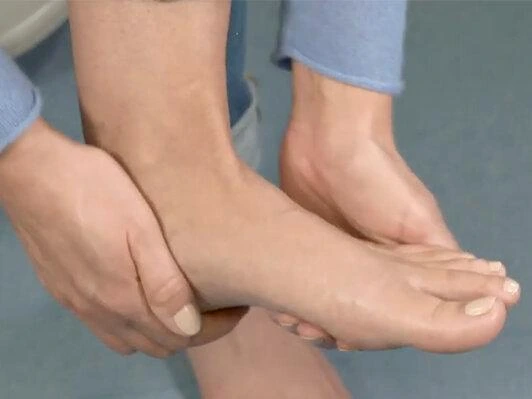
Step 1: Examine Your Feet Every Day
Look carefully at the tops, soles, heels, and spaces between the toes.
Look for:
-
Cuts
-
Blisters
-
Redness
-
Swelling
-
Bruising
-
Cracked skin
-
Corns or calluses
-
Sores
-
Drainage
-
Changes in skin colour
-
Changes in temperature
If it is difficult to see the bottom of the feet, use a mirror or ask a family member to help.
Step 2: Wash the Feet Carefully
Wash the feet with warm—not very hot—water and mild soap.
Because diabetic neuropathy can reduce sensitivity to temperature, very hot water can cause burns without the person realizing it.
After washing, gently dry the feet, particularly between the toes.
Step 3: Moisturize Dry Skin
A suitable moisturizer can help prevent excessive dryness and cracking.
However, moisturizer should generally not be applied between the toes because excessive moisture in this area can contribute to skin problems.
Step 4: Take Care of the Toenails
Trim toenails carefully and avoid cutting them too short.
People who have poor circulation, significant neuropathy, foot deformities, previous ulcers, or other high-risk foot conditions should ask their healthcare professional how their nails should be managed.
Step 5: Choose Appropriate Footwear
Footwear should fit comfortably and should not create excessive pressure or friction.
Check the inside of shoes before wearing them to make sure there are no objects, rough areas, or damaged surfaces that could injure the foot.
Avoid walking barefoot, particularly outdoors or on surfaces where injuries may occur.
What Should People With Diabetes Avoid?
Several common practices can increase the risk of foot injury.
Avoid:
-
Walking barefoot.
-
Using very hot water on the feet.
-
Applying heating pads directly to the feet.
-
Cutting corns or calluses yourself with a blade.
-
Using chemical corn removers without professional advice.
-
Wearing tight or uncomfortable shoes.
-
Ignoring small wounds.
-
Applying harsh chemicals to the skin.
-
Delaying medical assessment when an injury looks concerning.
A person with reduced sensation may not recognize the severity of an injury, so seemingly minor problems deserve attention.
Diabetic Foot Care and Footwear
Proper footwear is one of the most practical aspects of diabetic foot care.
Good footwear should:
-
Fit comfortably.
-
Provide adequate room for the toes.
-
Avoid pressure points.
-
Protect the foot from injury.
-
Be appropriate for the person’s activity.
-
Be checked regularly for wear or objects inside.
New shoes should be introduced carefully, with the feet checked frequently for signs of pressure or rubbing.
Socks should also fit comfortably and should not create excessive pressure around the ankle or toes.
When Should You See a Healthcare Professional?
People with diabetes should not wait for a foot problem to become severe before seeking professional help.
Medical assessment is particularly important when there is:
-
A cut or wound that does not appear to be healing.
-
Increasing redness or swelling.
-
Pus or other drainage.
-
Increasing warmth around a wound.
-
New or worsening pain.
-
A blackened area of skin.
-
A change in foot colour or temperature.
-
Fever or feeling generally unwell.
-
A new blister or pressure injury that does not improve.
-
A sudden change in the appearance of the foot.
A person with diabetes and a foot wound should contact their healthcare team promptly rather than attempting to manage a potentially serious infection independently.
Benefits of Good Diabetic Foot Care
Consistent diabetic foot care has several important benefits.
It can help patients:
-
Detect problems earlier.
-
Reduce avoidable injuries.
-
Maintain healthier skin.
-
Protect against pressure and friction.
-
Seek medical attention sooner.
-
Reduce the risk of complications.
-
Maintain mobility and independence.
-
Develop better diabetes self-management habits.
Foot care should be considered part of everyday diabetes management rather than something that is only necessary when a wound appears.
Role of Nurses in Diabetic Foot Care
Nurses play an important role in diabetic foot assessment, prevention, education, and follow-up.
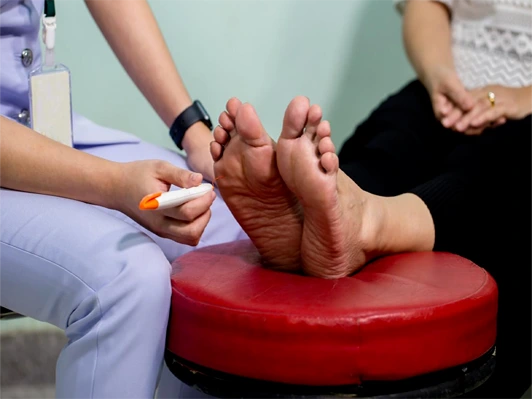
Foot Assessment
A nurse may assess:
-
Skin condition
-
Wounds and ulcers
-
Foot structure
-
Sensation
-
Circulation
-
Temperature
-
Colour
-
Signs of infection
-
Pressure areas
Patient Education
Nurses can teach patients how to:
-
Inspect their feet daily.
-
Wash and dry their feet safely.
-
Protect the skin.
-
Choose suitable footwear.
-
Avoid walking barefoot.
-
Recognize early warning signs.
-
Seek professional help promptly.
Risk Identification
Patients with neuropathy, previous foot ulcers, poor circulation, foot deformities, or previous amputation may require closer monitoring and specialist care.
Wound Care
When a diabetic foot wound is present, wound management should follow the healthcare team’s assessment and treatment plan. Nurses may assist with wound assessment, dressing changes, infection monitoring, patient education, and coordination of care.
Diabetic Foot Care for Nursing Students
For nursing students, diabetic foot care provides an excellent example of preventive and patient-centred nursing.
Students should understand that foot care is not simply about cleaning and dressing a wound. It includes:
-
Patient assessment.
-
Risk identification.
-
Prevention education.
-
Foot inspection.
-
Infection recognition.
-
Wound assessment.
-
Patient and family education.
-
Documentation.
-
Referral when required.
-
Follow-up and evaluation.
This knowledge is particularly relevant to medical-surgical nursing, community health nursing, geriatric nursing, and chronic disease management.
Frequently Asked Questions
Why is diabetic foot care important?
Diabetes can cause nerve damage and circulation problems that make foot injuries harder to notice and slower to heal. Regular diabetic foot care helps identify problems early and reduce the risk of serious complications.
How often should a person with diabetes check their feet?
Feet should generally be checked every day. The examination should include the soles, heels, tops of the feet, and areas between the toes.
Can a person with diabetes walk barefoot?
Walking barefoot increases the risk of unnoticed cuts, burns, punctures, and other injuries. People with diabetes—especially those with reduced sensation—should protect their feet with appropriate footwear.
Should moisturizer be used on diabetic feet?
Moisturizer can help prevent dry, cracked skin. However, it is generally best to avoid applying moisturizer between the toes because excess moisture can contribute to skin problems.
Can I cut my own corns or calluses?
It is safer not to cut corns or calluses yourself with a blade or sharp instrument. People with diabetes should ask their healthcare professional about appropriate treatment, particularly if they have neuropathy or poor circulation.
What are warning signs of a diabetic foot infection?
Possible warning signs include increasing redness, warmth, swelling, pain, drainage, pus, unpleasant odour, or worsening of an existing wound. Fever or feeling unwell may indicate a more serious infection and requires prompt medical attention.
What type of shoes are best for people with diabetes?
Comfortable, properly fitting shoes with adequate toe room and protection are generally preferable. Footwear should not cause pressure points, rubbing, or excessive friction.
Can diabetic foot problems be prevented?
Many diabetic foot problems can be reduced through good blood glucose management, daily foot inspection, appropriate footwear, regular professional assessment, avoiding barefoot walking, and prompt treatment of injuries.
Conclusion
Diabetic foot care is a simple but essential part of living safely with diabetes. A few minutes of daily foot inspection can help identify problems before they become serious. Keeping the feet clean and moisturized, protecting them with suitable footwear, avoiding injuries, and seeking professional help for wounds or changes can make a significant difference.
For nurses, diabetic foot care is an important area of preventive healthcare. Nurses help patients understand their risks, develop healthy daily routines, identify early warning signs, and obtain appropriate treatment when complications occur.
For nursing students at Ideal Institute of Nursing, learning diabetic foot care also demonstrates an important principle of nursing practice: prevention, early assessment, patient education, and timely intervention can protect health and improve quality of life.
Medical disclaimer: This article is intended for general health and nursing education. It does not replace individualized medical advice. People with diabetes who develop a foot wound, infection, colour change, significant swelling, or other concerning symptoms should contact their healthcare professional promptly.