
Wound Dressing: Importance, Types, Procedure, and Best Practices
Wound dressing is one of the most essential aspects of modern healthcare. Whether the injury is caused by surgery, an accident, burns, cuts, or chronic medical conditions such as diabetes, proper wound dressing plays a significant role in promoting faster healing and preventing infections. A well-dressed wound not only protects the injured area from bacteria and contaminants but also maintains the ideal environment required for tissue repair.
Healthcare professionals are trained to assess different types of wounds and choose the most suitable dressing based on the wound’s size, depth, moisture level, and stage of healing. Understanding the fundamentals of wound dressing helps patients recover safely while reducing complications and improving overall outcomes.
What is Wound Dressing?
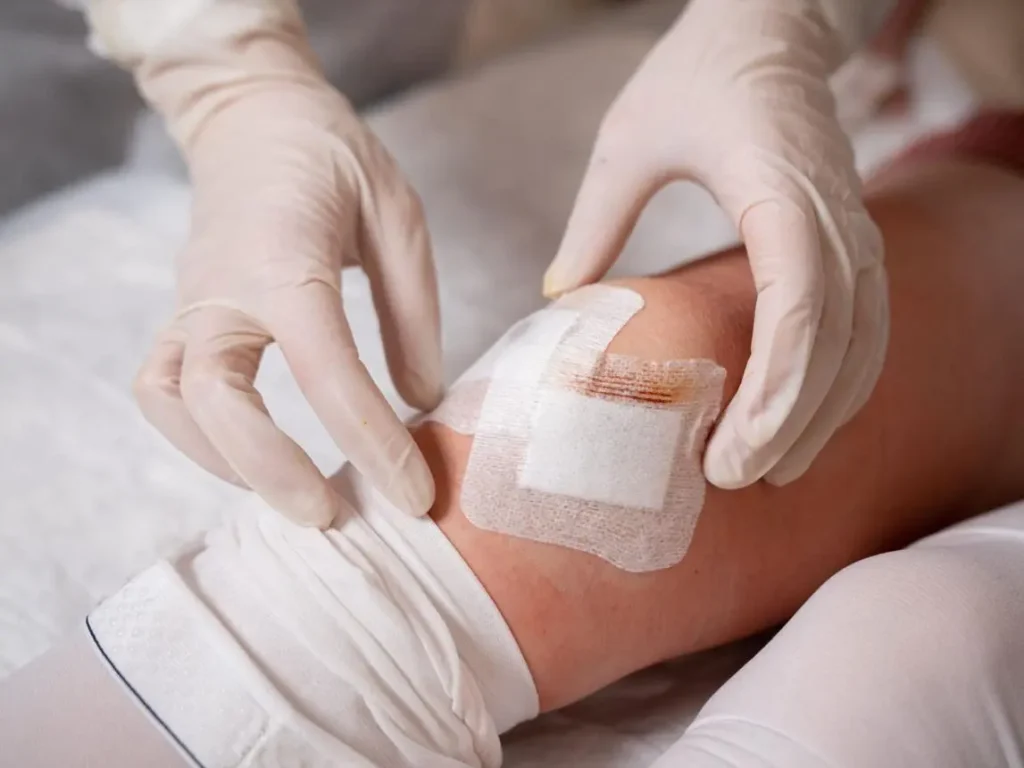
A wound dressing is a sterile material placed directly over a wound to protect it from external contamination while supporting the body’s natural healing process. Depending on the nature of the injury, dressings may absorb excess fluids, maintain moisture, prevent infection, or provide cushioning against further trauma.
Modern wound dressings are designed to create an optimal healing environment by balancing moisture, protecting new tissue, and minimizing pain during dressing changes.
Why is Proper Wound Dressing Important?
Proper wound dressing offers several important benefits:
- Protects the wound from bacteria and infection.
- Reduces the risk of delayed healing.
- Controls bleeding and absorbs excess wound drainage.
- Maintains an ideal moisture balance.
- Reduces pain and discomfort.
- Promotes faster tissue regeneration.
- Minimizes scarring.
- Improves patient comfort and mobility.
Ignoring proper wound care can lead to infections, delayed recovery, chronic wounds, and in severe cases, hospitalization.
Common Types of Wound Dressings
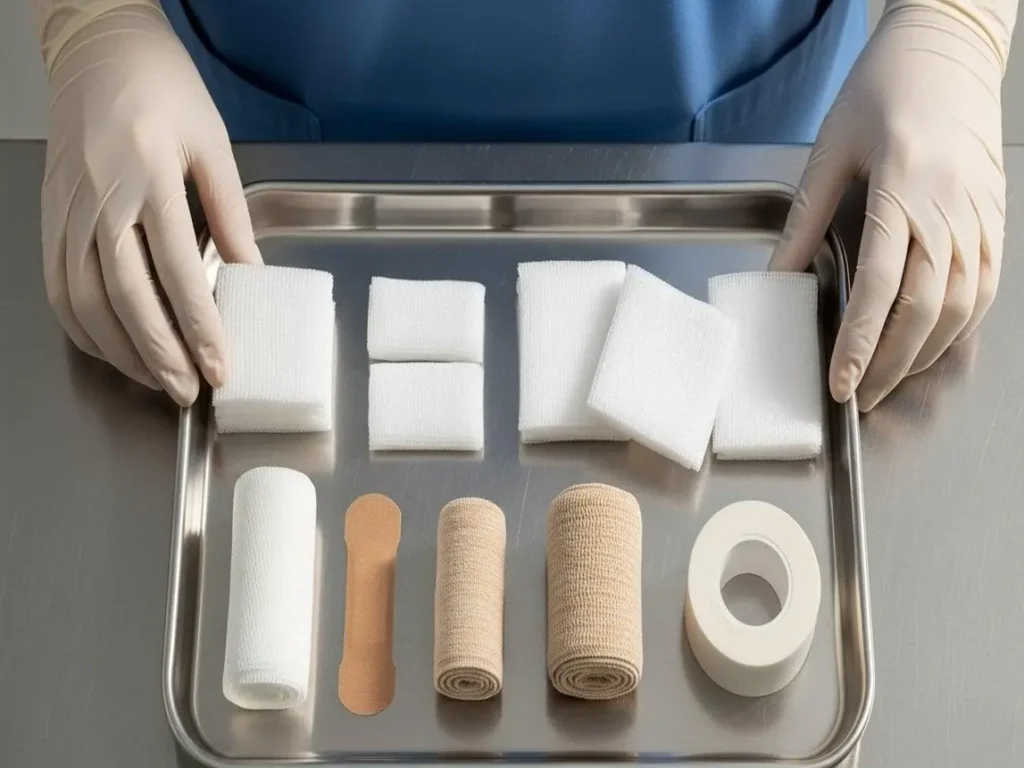
Healthcare providers select dressings according to the condition of the wound. Some commonly used wound dressings include:
Gauze Dressings: Suitable for minor cuts, surgical wounds, and wounds requiring frequent inspection.
Foam Dressings: Ideal for wounds producing moderate to heavy drainage while providing cushioning.
Hydrocolloid Dressings: Maintain a moist healing environment and are commonly used for pressure ulcers and superficial wounds.
Hydrogel Dressings: Excellent for dry or painful wounds because they provide moisture and soothing relief.
Alginate Dressings: Made from seaweed, these highly absorbent dressings are effective for wounds with heavy exudate.
Transparent Film Dressings: Thin, waterproof dressings that allow healthcare professionals to monitor healing without removing the dressing.
Basic Steps in Wound Dressing
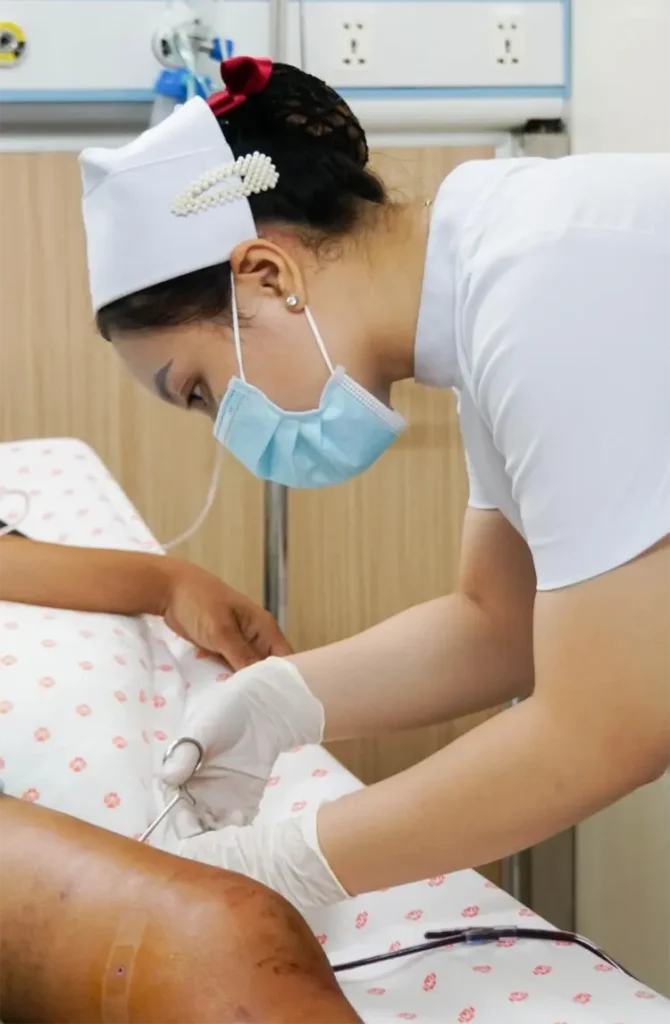
Healthcare professionals generally follow these essential steps:
- Wash hands thoroughly and wear sterile gloves.
- Assess the wound for signs of infection or complications.
- Clean the wound using sterile saline or the recommended cleansing solution.
- Gently dry the surrounding skin.
- Apply the appropriate sterile dressing.
- Secure the dressing with adhesive tape or bandage.
- Dispose of used materials safely.
- Document the procedure and monitor healing progress.
Maintaining sterile technique throughout the procedure significantly reduces the risk of infection.
Signs That Require Immediate Medical Attention
Although many wounds heal without complications, patients should seek medical care if they notice:
- Increasing redness or swelling
- Pus or foul-smelling discharge
- Persistent bleeding
- Fever or chills
- Severe pain
- Delayed healing after several days
Early intervention helps prevent serious complications.
Tips for Faster Wound Healing
To support effective healing:
- Keep the dressing clean and dry.
- Change dressings as advised by healthcare professionals.
- Avoid touching the wound unnecessarily.
- Maintain a balanced diet rich in protein, vitamins, and minerals.
- Stay hydrated.
- Control blood sugar levels if diabetic.
- Avoid smoking and excessive alcohol consumption.
Following medical advice carefully improves recovery and reduces the likelihood of infection.
Learn Professional Wound Care
For nursing students and healthcare professionals, mastering wound dressing techniques is a fundamental clinical skill. Practical knowledge of wound assessment, infection control, sterile procedures, and evidence-based dressing selection enhances patient safety and improves treatment outcomes.
Institutions that provide comprehensive nursing education combine classroom learning with hands-on clinical training, ensuring students develop the confidence and competence required in hospitals, clinics, and community healthcare settings.
Conclusion
Wound dressing is much more than simply covering an injury. It is a critical healthcare procedure that protects wounds, prevents infections, relieves discomfort, and promotes faster healing. Choosing the appropriate dressing and following proper wound care practices can significantly improve recovery while reducing complications. Whether you are a patient, caregiver, or nursing student, understanding wound dressing techniques contributes to safer and more effective healthcare.