
Endotracheal Tube Suctioning: Purpose, Procedure, Benefits, and Nursing Care
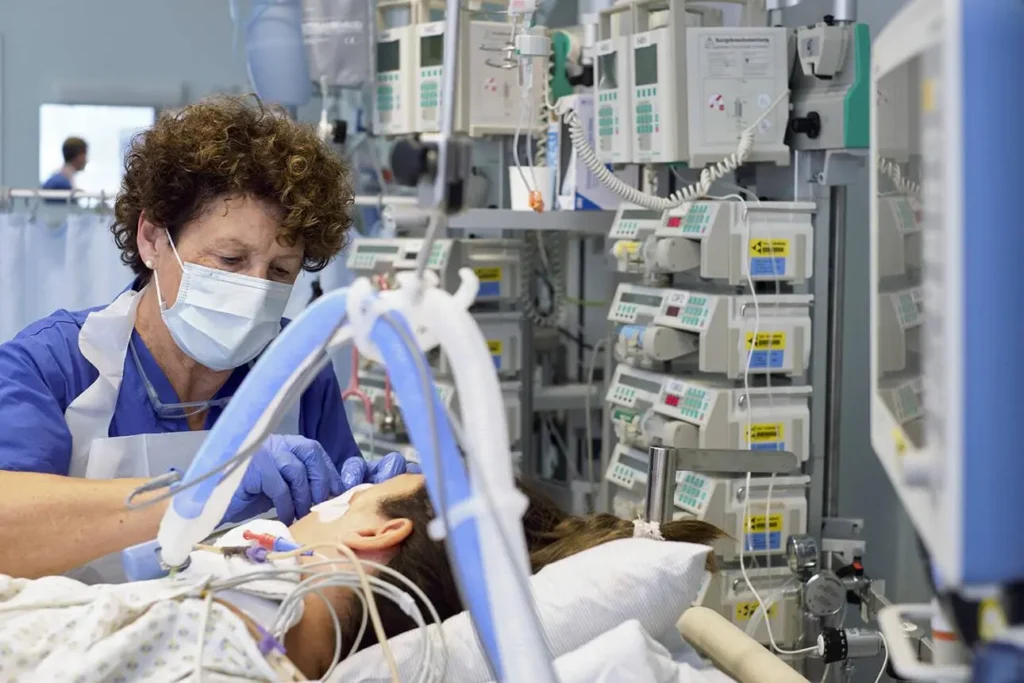
Maintaining a clear airway is one of the most important responsibilities of healthcare professionals caring for critically ill patients. Endotracheal Tube Suctioning is a life-saving clinical procedure performed to remove secretions from the airway of patients who are unable to cough effectively. It is commonly carried out in intensive care units (ICUs), emergency departments, operating rooms, and post-operative recovery units.
For nursing students and critical care professionals, understanding Endotracheal Tube Suctioning is an essential skill that combines theoretical knowledge with clinical expertise. Performing the procedure correctly helps prevent respiratory complications, improves oxygenation, and enhances patient comfort.
What is Endotracheal Tube Suctioning?
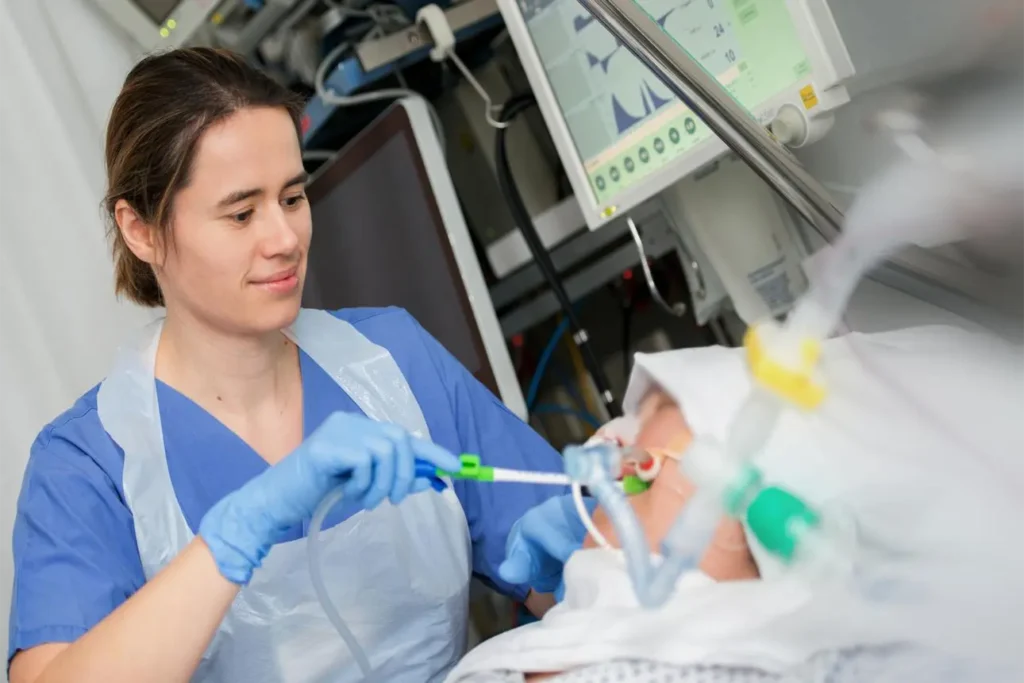
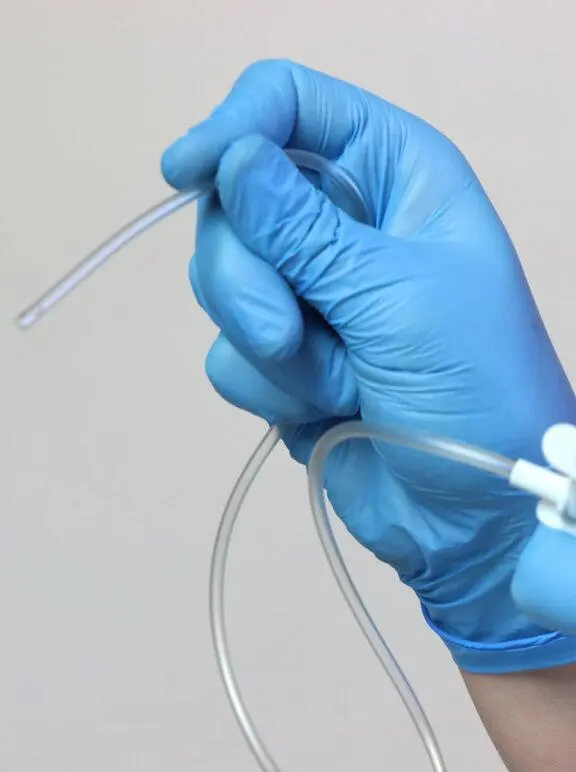
Endotracheal Tube Suctioning is the process of removing mucus, blood, saliva, or other secretions from the trachea through an endotracheal tube using a sterile suction catheter. Patients who are intubated or mechanically ventilated often cannot clear their airways naturally, making suctioning necessary to maintain airway patency.
The procedure should always be performed using strict aseptic techniques and according to evidence-based clinical guidelines to minimize complications.
Why is Endotracheal Tube Suctioning Important?
Proper Endotracheal Tube Suctioning offers several clinical benefits:
- Removes excessive airway secretions.
- Maintains a patent airway.
- Improves oxygen exchange.
- Prevents airway obstruction.
- Reduces the risk of ventilator-associated complications.
- Enhances patient comfort.
- Helps maintain effective mechanical ventilation.
- Prevents atelectasis caused by mucus plugging.
Without timely suctioning, accumulated secretions may lead to respiratory distress, decreased oxygen saturation, infection, or complete airway obstruction.
Indications for Endotracheal Tube Suctioning
Healthcare professionals perform suctioning when patients exhibit signs such as:
- Visible secretions inside the endotracheal tube.
- Audible coarse crackles or gurgling sounds.
- Increased airway pressure during mechanical ventilation.
- Reduced oxygen saturation (SpO₂).
- Ineffective cough.
- Respiratory distress.
- Suspected airway obstruction.
Routine suctioning without clinical indication is generally discouraged because unnecessary suctioning may irritate the airway.
Types of Endotracheal Tube Suctioning
1. Open Suction System
The ventilator circuit is temporarily disconnected, and a sterile suction catheter is inserted into the endotracheal tube.
Advantages
- Cost-effective
- Easy to perform
- Widely available
2. Closed Suction System
A suction catheter remains attached within a closed sterile system, allowing suctioning without disconnecting the ventilator.
Advantages
- Maintains oxygenation.
- Reduces contamination.
- Preferred for critically ill patients requiring high ventilator support.
Equipment Required
Before beginning Endotracheal Tube Suctioning, gather:
- Sterile suction catheter
- Suction machine
- Sterile gloves
- Personal protective equipment (PPE)
- Sterile normal saline (only if clinically indicated)
- Oxygen source
- Pulse oximeter
- Waste disposal container
Proper preparation ensures patient safety and procedural efficiency.
Step-by-Step Procedure
The standard Endotracheal Tube Suctioning procedure includes:
- Explain the procedure to the patient whenever possible.
- Perform hand hygiene thoroughly.
- Wear appropriate PPE and sterile gloves.
- Assess respiratory status and oxygen saturation.
- Pre-oxygenate the patient if indicated.
- Insert the suction catheter gently without applying suction.
- Apply suction only while withdrawing the catheter using a gentle rotating motion.
- Limit each suction attempt to 10–15 seconds.
- Allow the patient to recover between suction attempts.
- Reassess respiratory status, oxygen saturation, breath sounds, and patient comfort.
- Document the procedure, including secretion characteristics and patient response.
Maintaining sterile technique throughout the procedure significantly reduces infection risk.
Possible Complications
Although Endotracheal Tube Suctioning is generally safe, improper technique may cause:
- Hypoxia
- Cardiac arrhythmias
- Airway trauma
- Bleeding
- Increased intracranial pressure
- Bronchospasm
- Infection
- Patient discomfort
Continuous patient monitoring is essential before, during, and after suctioning.
Nursing Responsibilities
Nurses play a crucial role in ensuring safe suctioning by:
- Monitoring oxygen saturation and vital signs.
- Using sterile techniques.
- Avoiding unnecessary suctioning.
- Assessing secretion color, amount, consistency, and odor.
- Providing adequate oxygen before and after the procedure.
- Recording patient response accurately.
- Educating caregivers whenever appropriate.
Clinical judgment is essential to determine when suctioning is truly necessary.
Aftercare Following Endotracheal Tube Suctioning
Following the procedure:
- Reassess breath sounds.
- Monitor oxygen saturation.
- Ensure the endotracheal tube remains properly secured.
- Check ventilator settings.
- Encourage comfort and adequate positioning.
- Continue monitoring for respiratory distress or complications.
Proper aftercare contributes to improved patient recovery and minimizes adverse events.
Learning Endotracheal Tube Suctioning in Nursing Education
For nursing students, mastering Endotracheal Tube Suctioning requires both classroom instruction and supervised clinical practice. Institutions such as Ideal Institute of Nursing, Kalyani (IIN Kalyani) provide students with simulation-based learning, clinical demonstrations, and hospital training that build confidence in performing advanced airway management procedures safely and effectively.
Strong practical skills in airway management prepare future nurses for careers in critical care, emergency medicine, operation theatres, and intensive care units.
Conclusion
Endotracheal Tube Suctioning is a fundamental critical care procedure that helps maintain airway patency, improves oxygenation, and prevents respiratory complications in intubated patients. By following evidence-based guidelines, maintaining sterile technique, and carefully monitoring patient responses, healthcare professionals can perform the procedure safely and effectively.
For nursing students, developing competency in Endotracheal Tube Suctioning is an important step toward becoming skilled and compassionate critical care professionals.