
Prevention and Home Management of Seizure: A Practical Guide
A seizure can be frightening to witness, especially when it happens unexpectedly at home, at school, or in a public place. Knowing what to do during and after a seizure can help prevent injuries and provide reassurance to the person experiencing it. For families, caregivers, and nursing students, understanding seizure first aid and home management is an important part of health and safety education.
A seizure occurs when there is a sudden burst of abnormal electrical activity in the brain. Seizures can look very different from one person to another. Some involve jerking movements and loss of consciousness, while others may cause staring, unusual sensations, confusion, or brief changes in awareness. Epilepsy is one condition that can cause recurrent unprovoked seizures, but having one seizure does not necessarily mean that a person has epilepsy.
Important: Home management is mainly about keeping the person safe and following their individualized medical or seizure action plan. It does not replace professional diagnosis or treatment.
What Are the Common Types of Seizures?
Seizures are broadly classified according to where they begin and how they affect awareness and movement.
1. Focal Seizures
Focal seizures begin in a specific area of the brain. The person may remain aware or may have impaired awareness. Symptoms can include unusual sensations, repetitive movements, confusion, changes in emotions, or temporary changes in vision or hearing.
2. Generalized Seizures
Generalized seizures involve both sides of the brain from the beginning. A tonic-clonic seizure may cause loss of consciousness, stiffening of the body followed by rhythmic jerking, and a period of confusion or tiredness afterward.
3. Absence Seizures
Absence seizures may appear as brief periods of staring or reduced awareness. They are particularly important to recognize in children because they can sometimes be mistaken for daydreaming.
4. Other Seizure Types
Atonic, myoclonic, tonic, and other seizure types may produce different patterns of movement or changes in awareness. The exact diagnosis should be made by a qualified healthcare professional.
Why Is Seizure Prevention Important?
Not every seizure can be prevented. However, for people who have recurrent seizures, identifying triggers and following the prescribed treatment plan may help reduce the risk of future episodes.
Common factors that may contribute to seizures in some individuals include:
Missing or suddenly stopping prescribed anti-seizure medication
Sleep deprivation
Excessive stress
Alcohol or recreational drug use
Fever or illness
Certain medications or interactions
Flashing lights in people who are photosensitive
Hormonal or other individual triggers
A person with epilepsy should take medication exactly as prescribed and should not change the dose or stop treatment without medical advice.
Keeping a seizure diary can also be useful. Recording the date, approximate duration, symptoms, possible triggers, sleep pattern, medication adherence, and recovery can help the healthcare team identify patterns and adjust treatment when necessary.
What Should You Do During a Seizure?
One of the most useful approaches to seizure first aid is:
Stay. Safe. Side.
Stay With the Person
Remain calm and stay with the person. Start timing the seizure from the beginning. If the person has a medical identification card or bracelet, check it for useful information.
Keep the Person Safe
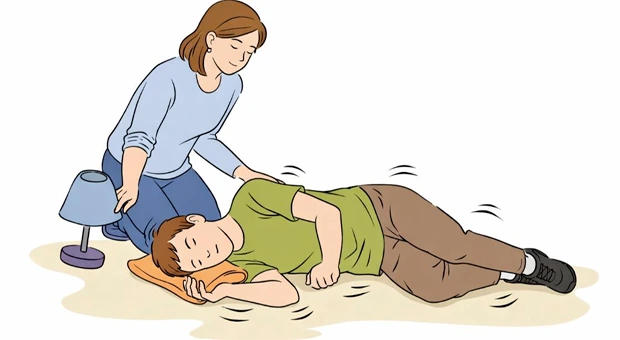
Move nearby sharp, hot, heavy, or dangerous objects away. If possible, protect the person’s head with something soft. Do not attempt to stop the person’s movements.
If the seizure occurs near traffic, stairs, water, fire, or another dangerous area, focus on moving the person away from immediate danger when it can be done safely.
Turn the Person Onto Their Side
If the person is unconscious or not fully awake, gently position them on their side when practical. This can help maintain a clear airway and allow fluids such as saliva to drain from the mouth.
Loosen tight clothing around the neck and remain with the person until they become alert.
What Should You NOT Do During a Seizure?
Some traditional practices can actually cause harm. During a seizure:
Do not put a spoon, cloth, fingers, or any other object into the person’s mouth.
Do not try to force the person’s mouth open.
Do not restrain the person’s arms or legs.
Do not give food, water, or oral medication while the person is unconscious or not fully alert.
Do not attempt to stop the seizure by shouting at or shaking the person.
Do not crowd around the person.
A person cannot “swallow their tongue” during a seizure, and putting an object in the mouth can cause dental or airway injury.
When Should You Seek Emergency Medical Help?
Most seizures end within a few minutes, but some situations require urgent medical attention.
Emergency help should be sought when:
The seizure lasts 5 minutes or longer.
Another seizure begins before the person has recovered from the previous one.
The person has difficulty breathing or appears to be choking.
The seizure happens in water.
The person has suffered a significant injury.
It is the person’s first known seizure.
The person does not return to their usual level of awareness.
The person is pregnant or has another serious medical condition.
The person or their healthcare plan indicates that emergency assistance is required.
The Epilepsy Foundation specifically recommends emergency assistance for seizures lasting five minutes or longer and for situations such as repeated seizures, breathing difficulty, injury, seizures in water, or failure to return to the person’s usual state.
Home Management After a Seizure
The period after a seizure is often called the postictal period. The person may be sleepy, confused, weak, or have a headache. Some people may not remember what happened.
During recovery:
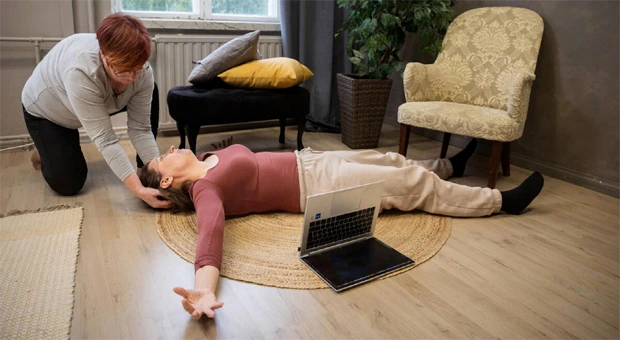
Stay with the person until they are awake and sufficiently alert.
Allow them to rest in a safe and comfortable position.
Reassure them calmly.
Explain what happened when they are ready.
Check for injuries.
Do not immediately give food, drink, or oral medication if they are not fully alert.
Follow the person’s prescribed seizure action plan.
Record the duration and important features of the seizure for future medical review.
After the event, avoid making the person feel embarrassed or frightened. A calm and supportive environment is particularly important.
How Can Families Help Prevent Seizure-Related Injuries at Home?
Although seizures themselves may not always be preventable, many injuries associated with seizures can be reduced.
Families can consider:
Keeping floors and walking areas free of unnecessary obstacles.
Using appropriate safety measures around stairs.
Taking care around open flames and hot cooking surfaces.
Discussing water safety with the healthcare professional.
Following prescribed medication schedules.
Maintaining regular sleep.
Learning the individual’s known seizure triggers.
Keeping emergency contact information accessible.
Teaching family members and caregivers basic seizure first aid.
Maintaining an individualized seizure action plan when recommended.
An individualized plan can help family members understand what the person’s seizures normally look like, what first aid is appropriate, whether prescribed rescue medication is part of the plan, and when emergency help should be requested.
Nursing Responsibilities in Seizure Management
For nursing students and healthcare professionals, seizure management involves much more than observing convulsions.
Important nursing responsibilities include:
Assessment
Observe and document the seizure pattern, duration, level of consciousness, movements, breathing, injuries, and recovery period.
Safety
Protect the patient from injury, maintain an appropriate environment, and avoid unnecessary restraint.
Airway and Breathing
Observe respiratory status and position the patient appropriately after the seizure. Breathing difficulties require urgent medical attention.
Medication Management
Administer prescribed anti-seizure medications correctly and observe for therapeutic effects and adverse reactions. Rescue medication should only be administered according to the patient’s prescribed plan and appropriate clinical guidance.
Patient and Family Education
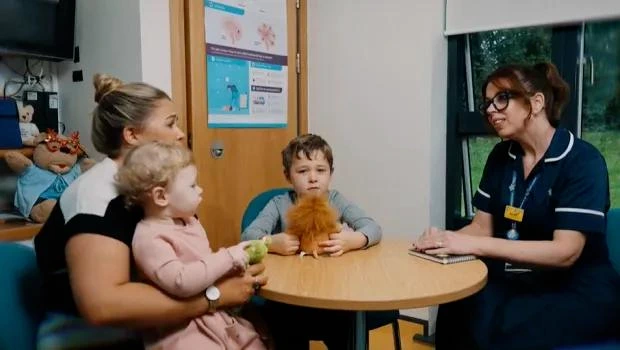
Nurses can teach patients and caregivers how to recognize seizures, provide basic first aid, maintain medication adherence, identify potential triggers, and recognize emergency warning signs.
Benefits of Knowing Seizure First Aid
Learning proper seizure first aid can:
Reduce the risk of preventable injuries.
Help protect the airway and support safe positioning.
Prevent harmful traditional practices.
Reduce fear and panic among caregivers.
Improve confidence in emergency situations.
Help families recognize when professional medical assistance is required.
Support better communication between patients, families, nurses, and doctors.
For nursing students, learning seizure first aid also strengthens clinical observation, patient safety, emergency response, and health education skills.
Frequently Asked Questions
Can a seizure be prevented completely?
Not always. Some seizures occur without a predictable trigger. However, appropriate medical treatment, medication adherence, adequate sleep, avoidance of known triggers, and a personalized seizure management plan may help reduce seizure risk in some people.
Should I put something in the person’s mouth during a seizure?
No. Never place objects, food, water, or fingers in the person’s mouth. This can cause injury or choking.
Should I hold the person down during a seizure?
No. Do not restrain the person’s movements. Instead, remove nearby hazards and protect them from injury.
How long does a seizure need to last before it becomes an emergency?
A seizure lasting 5 minutes or longer requires emergency medical assistance. Repeated seizures without recovery, breathing problems, serious injury, or other concerning circumstances also require urgent help.
What should I do after the seizure ends?
Stay with the person until they are awake and alert, check for injuries, reassure them, and follow their seizure action plan. Avoid giving anything by mouth until they are sufficiently alert to swallow safely.
Should every person who has a seizure go to the hospital?
Not necessarily. The appropriate response depends on the person’s medical history and seizure action plan. However, a first seizure, prolonged or repeated seizure, breathing difficulty, serious injury, seizure in water, or failure to recover normally requires urgent medical assessment.
Conclusion
Understanding seizure first aid and home management can make a significant difference when a seizure occurs. The most important principles are simple: stay calm, stay with the person, keep them safe, position them on their side when appropriate, avoid putting anything in their mouth, never restrain them, and know when emergency medical assistance is needed.
For families, caregivers, and nursing students, this knowledge is an essential part of patient safety and health education. At the same time, recurrent seizures should always be evaluated and managed by qualified healthcare professionals. Home care should complement—not replace—professional medical treatment.
Ideal Institute of Nursing encourages nursing students to develop practical knowledge of emergency care, patient safety, health education, and evidence-based nursing practice so they can respond confidently and compassionately in real-life situations.
Medical disclaimer: This article is intended for general health education and nursing education. It is not a substitute for diagnosis, individualized medical advice, or emergency care. Anyone experiencing a first seizure, prolonged seizure, repeated seizures, breathing difficulty, significant injury, or another medical emergency should receive appropriate professional medical attention.