
Treatment Modalities of Cancer: Understanding Modern Cancer Care
Cancer is one of the major health challenges affecting people worldwide. However, advances in medical science have significantly improved the diagnosis and treatment of many types of cancer. Depending on the type and stage of cancer, healthcare professionals may use one treatment or combine several approaches to control the disease, destroy cancer cells, prevent its spread, and improve the patient’s quality of life.
The different approaches used to manage cancer are collectively known as cancer treatment modalities. Understanding these modalities is particularly important for nursing students because nurses play an essential role in patient preparation, treatment support, monitoring, symptom management, education, and recovery.
This guide explains the major cancer treatment modalities, their purposes, common procedures, benefits, possible side effects, and the role of nurses in cancer care.
What Are Cancer Treatment Modalities?
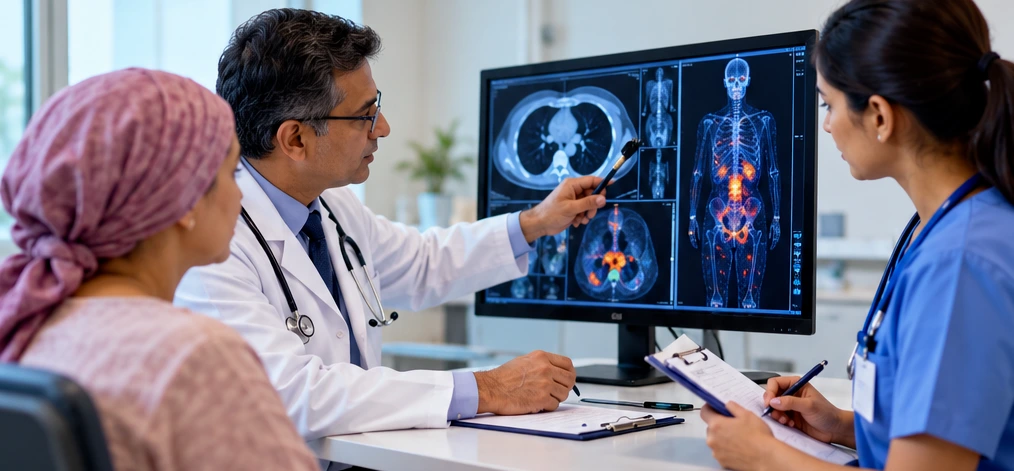
Cancer treatment modalities are the different medical approaches used to treat cancer. The choice of treatment depends on several factors, including the type of cancer, its location, stage, genetic characteristics, overall health of the patient, and previous treatments.
Some treatments aim to eliminate cancer completely, while others focus on controlling cancer growth, reducing symptoms, preventing recurrence, or improving comfort.
Common cancer treatment modalities include:
- Surgery
- Chemotherapy
- Radiation therapy
- Immunotherapy
- Targeted therapy
- Hormone therapy
- Stem cell or bone marrow transplantation
- Palliative and supportive care
In many cases, doctors use a combination of treatments, known as multimodal cancer therapy.
1. Surgery
Surgery is one of the oldest and most commonly used cancer treatment modalities. It involves removing a cancerous tumour or affected tissue from the body.
Surgery may be used when a tumour is localized and can be safely removed. Depending on the condition, it may also be combined with chemotherapy or radiation therapy.
Examples include:
- Removal of a breast tumour
- Removal of part of the intestine
- Removal of a lung tumour
- Removal of a skin cancer lesion
Nurses have an important role in preparing patients before surgery and monitoring them during postoperative recovery.
2. Chemotherapy
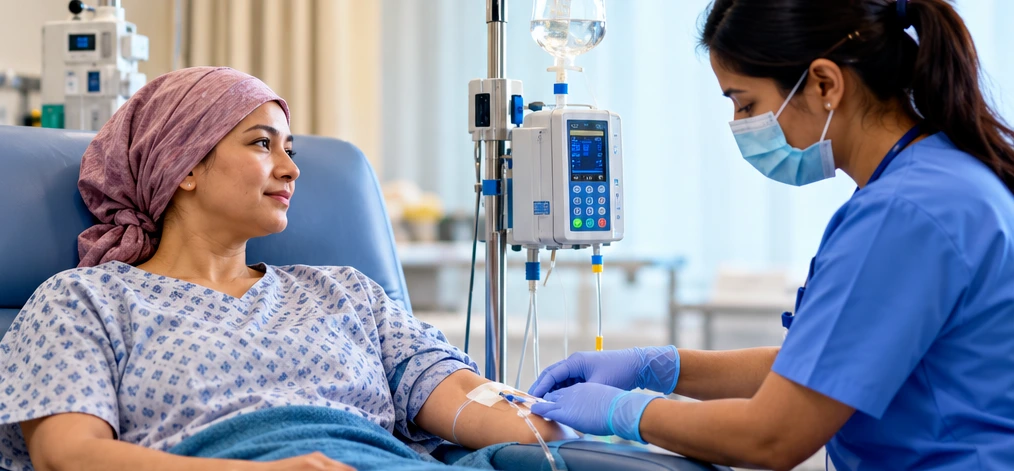
Chemotherapy uses powerful medicines to destroy cancer cells or stop them from multiplying. These medicines may be administered orally, intravenously, or through other routes depending on the treatment plan.
Because chemotherapy can also affect some healthy rapidly dividing cells, patients may experience side effects such as nausea, fatigue, hair loss, mouth sores, and reduced blood cell counts.
Nursing care includes monitoring vital signs, observing for adverse reactions, maintaining infection-control practices, providing nutritional support, and educating patients about managing side effects.
3. Radiation Therapy
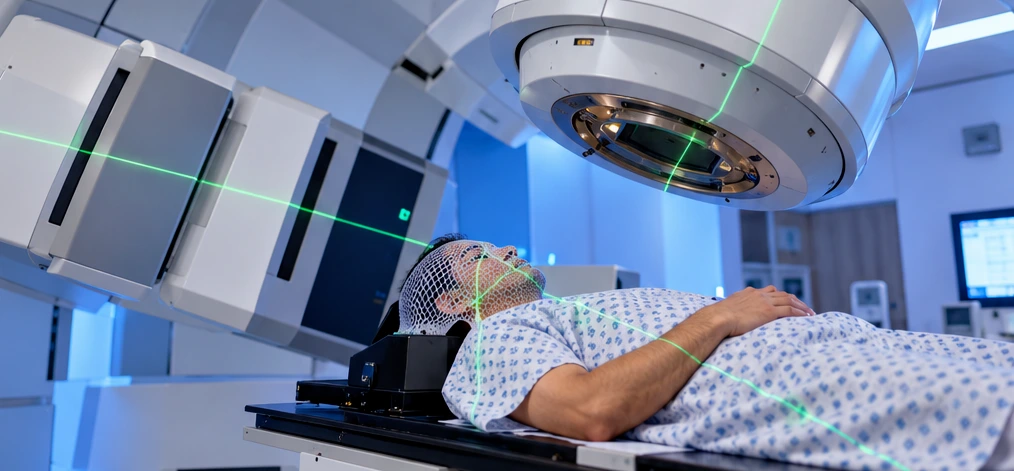
Radiation therapy uses high-energy radiation to damage and destroy cancer cells. It may be used alone or alongside other cancer treatment modalities.
Radiation can be delivered externally using specialized equipment or internally through a technique known as brachytherapy.
Possible side effects depend on the treatment area and may include tiredness, skin changes, irritation, and localized tissue effects.
4. Immunotherapy
Immunotherapy is a modern cancer treatment modality that helps the body’s immune system recognize and attack cancer cells.
Instead of directly destroying cancer cells like some traditional treatments, immunotherapy can enhance or modify the immune response against cancer.
The treatment is used for certain cancers and may produce different side effects depending on the medicine used. Patients therefore require careful monitoring and education.
5. Targeted Therapy
Targeted therapy focuses on specific molecules, proteins, or genetic changes that help cancer cells grow and survive.
Because targeted medicines are designed to act on particular characteristics of cancer cells, they may work differently from conventional chemotherapy. Before some targeted treatments are prescribed, laboratory or molecular testing may be required to determine whether the cancer has the relevant target.
6. Hormone Therapy
Some cancers depend on hormones to grow. Hormone therapy works by reducing hormone production or blocking the effects of specific hormones.
It is commonly used in certain breast and prostate cancers.
Hormone therapy may be given for an extended period, and patients should understand the purpose of treatment, possible side effects, and the importance of following the prescribed treatment plan.
7. Stem Cell Transplantation
Stem cell transplantation may be used as part of treatment for selected blood cancers and other serious conditions.
The procedure involves replacing damaged or destroyed blood-forming cells with healthy stem cells. Patients receiving this treatment require close monitoring because they may be particularly vulnerable to infections and other complications.
Nurses play a critical role in infection prevention, symptom monitoring, medication administration, patient education, and emotional support.
Choosing the Appropriate Cancer Treatment Modality
There is no single treatment that is appropriate for every cancer patient. Healthcare teams consider several factors before developing an individualized treatment plan.
These may include:
- Type and location of cancer
- Stage of the disease
- Tumour characteristics
- Genetic or molecular findings
- Patient’s age and general health
- Previous treatment
- Possible treatment benefits and risks
- Patient preferences and goals
A multidisciplinary team may include oncologists, surgeons, radiation specialists, nurses, pharmacists, dietitians, psychologists, and other healthcare professionals.
Benefits of Modern Cancer Treatment Modalities
Advances in cancer treatment have provided patients with more treatment options than ever before. Depending on the cancer, treatment may:
- Remove or destroy cancer cells
- Slow tumour growth
- Reduce the risk of recurrence
- Control advanced cancer
- Relieve cancer-related symptoms
- Improve quality of life
- Increase survival in many cancer types
Treatment outcomes vary considerably, so patients should discuss their individual prognosis and treatment options with their oncology team.
Possible Risks and Side Effects
Cancer treatment can produce side effects, although they vary according to the treatment and individual patient.
Common problems may include:
- Fatigue
- Nausea and vomiting
- Pain
- Loss of appetite
- Hair loss
- Skin changes
- Increased risk of infection
- Changes in blood counts
- Emotional stress
Healthcare professionals monitor patients throughout treatment and provide appropriate supportive care.
Nursing Responsibilities in Cancer Treatment
Nurses are an essential part of cancer care. Their responsibilities may include assessing the patient’s condition, administering prescribed treatments, monitoring for complications, managing symptoms, maintaining infection-control measures, and providing emotional support.
Nurses also educate patients and families about medication schedules, nutrition, hygiene, warning signs, follow-up appointments, and treatment adherence.
For nursing students, learning about cancer treatment modalities provides an important foundation for understanding oncology nursing and evidence-based patient care.
Aftercare and Follow-Up
Cancer care does not necessarily end when the primary treatment is completed. Follow-up care helps healthcare professionals monitor recovery, identify recurrence when appropriate, manage long-term side effects, and address emotional and lifestyle needs.
Patients may be advised to attend regular follow-up appointments, maintain a healthy lifestyle, follow prescribed medications, report new symptoms, and seek psychological or social support when required.
Frequently Asked Questions
What are the main cancer treatment modalities?
The major cancer treatment modalities include surgery, chemotherapy, radiation therapy, immunotherapy, targeted therapy, hormone therapy, stem cell transplantation, and supportive or palliative care.
Which cancer treatment modality is the best?
There is no single best treatment for every patient. The appropriate treatment depends on the cancer type, stage, tumour characteristics, overall health, and individual treatment goals.
Can more than one cancer treatment modality be used?
Yes. Doctors may combine surgery, chemotherapy, radiation, immunotherapy, targeted therapy, or other approaches. This is often called multimodal or combined cancer treatment.
What is the role of nurses in cancer treatment?
Nurses assess patients, administer prescribed treatments, monitor side effects, provide symptom management, educate patients and families, prevent complications, and offer emotional and supportive care.
Can cancer treatment cause side effects?
Yes. Side effects depend on the type of treatment and the individual patient. Common effects can include fatigue, nausea, appetite changes, hair loss, skin changes, and increased infection risk.
Conclusion
Understanding cancer treatment modalities is essential for healthcare professionals and nursing students. Modern cancer care increasingly combines different treatment approaches according to the individual patient’s disease and needs. From surgery and chemotherapy to radiation, immunotherapy, targeted therapy, and supportive care, each modality has a specific role in cancer management.
For nursing students, knowledge of these treatment approaches provides an important foundation for delivering safe, compassionate, and evidence-based cancer care.
Important: Cancer treatment must always be individualized by qualified oncology professionals. This article is intended for educational purposes and should not replace professional medical advice.