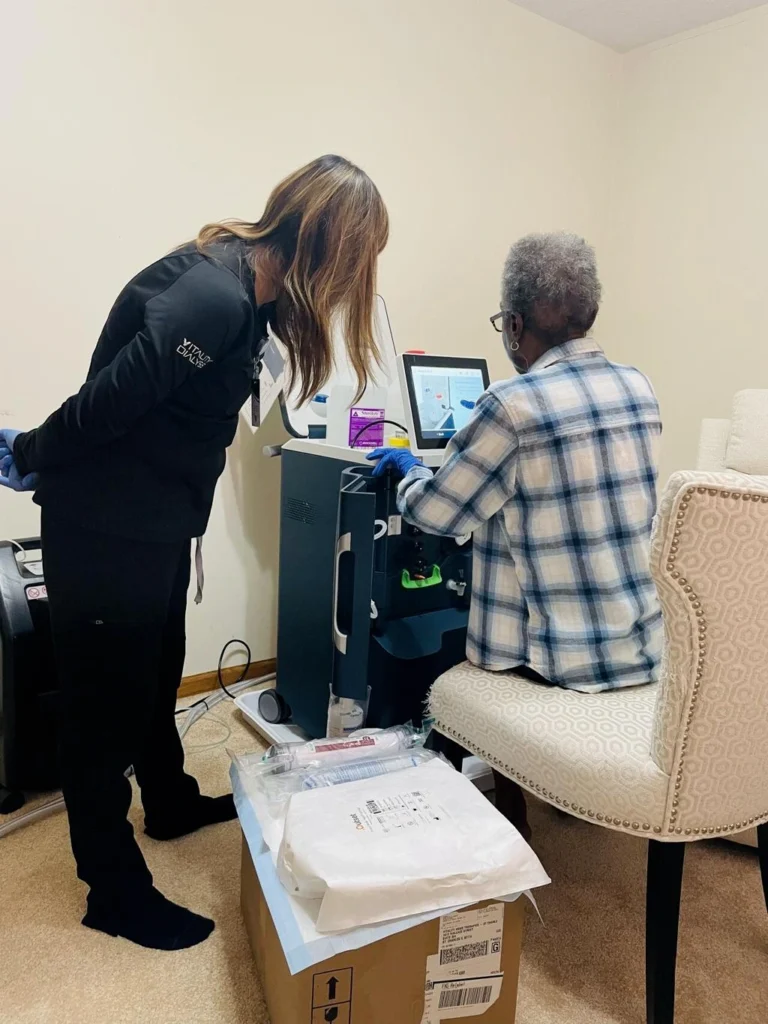

Home Care of Dialysis Patient: A Practical Guide
Living with kidney failure and undergoing dialysis requires more than attending regular dialysis sessions. Good home care of dialysis patients plays an important role in maintaining health, preventing complications, supporting treatment, and improving quality of life. Family members and caregivers can also make a meaningful difference by helping with medication schedules, diet, fluid management, hygiene, appointments, and emotional support.
Dialysis helps remove waste products and excess fluid from the blood when the kidneys are no longer able to perform these functions adequately. The two major types of dialysis are hemodialysis and peritoneal dialysis. Some patients receive treatment at a dialysis center, while appropriately trained patients may receive home dialysis. The type of care required at home depends on the person’s treatment plan and dialysis access.
Important: Home care should always follow the instructions of the patient’s nephrologist, dialysis nurse, dietitian, and healthcare team. This article is intended for nursing and health education and does not replace individualized medical advice.
What Is Dialysis?
Dialysis is a treatment used when the kidneys cannot adequately remove waste products and excess fluid from the body. During hemodialysis, blood passes through a special filter called a dialyzer, where wastes and extra fluid are removed before the blood returns to the body.
Peritoneal dialysis uses the lining of the abdomen, called the peritoneum, as a natural filtering membrane. Dialysis solution is introduced into the abdomen through a catheter, allowed to remain for a prescribed period, and then drained.
Understanding the type of dialysis is important because home care of dialysis patients differs according to the treatment being received.
Types of Dialysis
1. Hemodialysis
Hemodialysis uses a dialysis machine and dialyzer to clean the blood. It may be performed at a dialysis center or, after appropriate training, at home.
Patients receiving home hemodialysis may need to monitor vital signs, follow treatment instructions, care for their vascular access, maintain equipment, record treatment information, and recognize problems that require assistance. Home hemodialysis requires proper training by the dialysis team.
2. Peritoneal Dialysis
Peritoneal dialysis uses the abdominal lining to filter waste and excess fluid.
Two common approaches are:
Continuous Ambulatory Peritoneal Dialysis (CAPD): exchanges are performed manually several times during the day.
Continuous Cycling Peritoneal Dialysis (CCPD): a machine, known as a cycler, performs exchanges, often while the patient sleeps.
Because a catheter enters the abdomen, careful hygiene and infection prevention are especially important.
Why Is Home Care Important for a Dialysis Patient?
Dialysis is only one part of kidney failure management. Between treatments, waste products and excess fluid can accumulate in the body. Appropriate home care helps patients follow their prescribed treatment plan and identify complications early.
Good home care can help with:
Maintaining dialysis treatment schedules
Protecting dialysis access
Preventing infection
Controlling fluid intake
Following an appropriate renal diet
Taking medicines correctly
Monitoring weight and blood pressure when instructed
Recognizing warning signs
Supporting emotional wellbeing
Maintaining independence and daily activities
The National Kidney Foundation notes that home dialysis can provide greater flexibility, but it also requires appropriate preparation, training, equipment, supplies, and—in some situations—a care partner.
Home Care of Dialysis Patient: Daily Routine
A simple and organized daily routine can make dialysis care easier.
1. Follow the Dialysis Schedule
Patients should follow the dialysis schedule prescribed by their healthcare team. Missing or shortening treatments without medical guidance can increase the risk of fluid and waste accumulation.
If a treatment cannot be completed or is missed, the dialysis care team should be contacted for instructions.
2. Monitor Weight
Regular weight monitoring may help identify changes in fluid status. A sudden increase in weight may indicate fluid accumulation.
Patients should follow the specific weight-monitoring schedule provided by their dialysis team and report concerning changes.
3. Follow Fluid Restrictions
Many people receiving hemodialysis need to limit their daily fluid intake. Excess fluid can contribute to swelling, increased blood pressure, breathing difficulties, and strain on the heart.
Fluid intake may include more than water. Foods and drinks that are liquid at room temperature, as well as foods containing significant amounts of water, may contribute to total fluid intake.
The appropriate fluid allowance varies from patient to patient, so it should be determined by the healthcare team.
Diet and Nutrition for Dialysis Patients
Nutrition is an important component of home care of dialysis patients. However, there is no single diet that is appropriate for every dialysis patient.
Depending on individual laboratory results and treatment, the healthcare team may recommend managing:
Sodium
Potassium
Phosphorus
Fluid intake
Protein
Overall calorie intake
People on hemodialysis may need adequate protein because dialysis can remove some protein from the body. The renal dietitian can develop an individualized meal plan based on the patient’s treatment, laboratory results, nutritional status, and other medical conditions.
Patients should avoid making major dietary changes based solely on general internet advice. A renal dietitian is the best person to provide an individualized nutrition plan.
Dialysis Access Care
For patients receiving hemodialysis, the vascular access is extremely important. It may be an arteriovenous fistula, graft, or catheter.
The access area should be observed regularly for signs of problems. Patients should follow the specific cleaning and access-care instructions provided by their dialysis team.
Possible warning signs include:
Redness
Swelling
Warmth
Pain
Drainage
Bleeding
Fever
Changes in the normal sensation of blood flow through a fistula or graft
NIDDK describes the dialysis access as a critical part of hemodialysis care and advises patients to monitor it for signs of infection or changes in its function.
Care of a Peritoneal Dialysis Catheter
Patients undergoing peritoneal dialysis need careful catheter and exit-site care.
General principles include:
Wash hands before handling the catheter.
Keep the catheter and exit site clean and dry according to instructions.
Perform exchanges in a clean, dry, well-lit area.
Store dialysis supplies properly.
Check supplies before use.
Do not use damaged or contaminated supplies.
Follow the prescribed technique for exchanges.
Watch for signs of infection.
Peritoneal dialysis patients should receive detailed training from their dialysis team because incorrect technique can increase infection risk.
Preventing Infection at Home
Infection prevention is one of the most important aspects of dialysis care.
Dialysis patients can be more vulnerable to infections, particularly around their dialysis access. Keeping the access site, hands, treatment area, and supplies clean is therefore essential.
Families and caregivers should:
Wash their hands before helping with dialysis-related care.
Keep the treatment area clean and dry.
Keep pets away from the treatment area when appropriate.
Store supplies in a clean, dry location.
Check packaging before using supplies.
Avoid using expired or damaged supplies.
Follow all infection-control instructions provided by the dialysis team.
Fever, redness, swelling, pain, pus, drainage, or other changes around the access site should be reported promptly.
Medicines and Dialysis
Dialysis patients may take several medicines for conditions such as blood pressure problems, anemia, mineral and bone disorders, or other health conditions.
Medication should be taken exactly as prescribed. Patients should not start, stop, or change medicines—including over-the-counter medicines or supplements—without discussing them with their healthcare provider.
Keeping an updated medication list can help the patient, caregiver, nurse, pharmacist, and doctor communicate more effectively.
Physical Activity and Daily Life
Kidney failure and dialysis can cause fatigue, but appropriate physical activity may be beneficial for many patients.
The type and amount of exercise should be discussed with the healthcare team, particularly if the patient has heart disease, weakness, balance problems, or other medical conditions.
Daily activities should be balanced with adequate rest. Family members should encourage independence where possible rather than doing everything for the patient.
Emotional Support for Dialysis Patients
Dialysis can affect employment, family responsibilities, social activities, sleep, and emotional wellbeing. Patients may experience frustration, anxiety, sadness, or loss of independence.
Good home care of dialysis patients therefore includes emotional support.
Family members can help by:
Listening without judgment
Encouraging communication with the healthcare team
Supporting social interaction
Helping maintain appropriate daily routines
Encouraging participation in suitable activities
Seeking professional support when emotional difficulties become persistent or severe
The dialysis care team may include nurses, nephrologists, dietitians, social workers, technicians, and other professionals who can support different aspects of the patient’s health.
When Should a Dialysis Patient Seek Medical Help?
Patients and caregivers should know the warning signs that require prompt communication with the healthcare team.
Contact the dialysis team promptly if there is:
Fever or chills
Redness, swelling, pain, warmth, or discharge at an access site
New or worsening shortness of breath
Significant swelling
Rapid unexplained weight gain
Persistent vomiting or severe weakness
Problems with the dialysis catheter or vascular access
Problems with dialysis equipment
Inability to complete a prescribed treatment
Unexpected bleeding or other concerning symptoms
Breathing difficulty, severe chest pain, loss of consciousness, uncontrolled bleeding, or another life-threatening emergency requires emergency medical attention.
Role of the Family Caregiver
A family member or care partner can play an important role in dialysis care.
Depending on the patient’s needs and training, a caregiver may help with:
Organizing dialysis supplies
Preparing the treatment area
Maintaining cleanliness
Recording weight and vital signs when instructed
Preparing appropriate meals
Supporting medication routines
Keeping appointments
Recognizing warning signs
Communicating changes to the healthcare team
Care partners should receive appropriate training before assisting with home dialysis procedures. The National Kidney Foundation emphasizes that the responsibilities of a care partner vary according to the patient’s needs and the type of home dialysis.
Nursing Responsibilities in Home Care of Dialysis Patients
For nursing students, home care of dialysis patients is an important area of clinical learning.
Nursing responsibilities may include:
Patient Assessment
Assess vital signs, weight, general condition, symptoms, nutritional status, fluid balance, and dialysis-related concerns according to the care plan.
Access Assessment
Observe the vascular or peritoneal dialysis access for signs of infection, inflammation, bleeding, or other complications.
Infection Prevention
Teach patients and caregivers appropriate hand hygiene, aseptic techniques, environmental cleanliness, and access-site care.
Patient Education
Explain medication adherence, dietary recommendations, fluid management, treatment schedules, warning signs, and follow-up requirements.
Psychosocial Support
Encourage patients to express concerns and help connect them with appropriate members of the multidisciplinary healthcare team.
Documentation
Accurate documentation of assessment findings, treatment information, patient education, complications, and communication with the healthcare team is an essential nursing responsibility.
Benefits of Good Home Care
Effective home care does not replace dialysis treatment, but it supports the overall treatment plan.
Potential benefits include:
Better adherence to treatment
Earlier recognition of complications
Reduced risk of preventable infections
Better fluid management
Improved understanding of dietary requirements
Greater patient confidence
Increased caregiver awareness
Better communication with healthcare professionals
Improved ability to manage daily life with dialysis
Home dialysis itself may offer greater flexibility for appropriately selected and trained patients, although it also requires responsibility, preparation, and ongoing support.
Frequently Asked Questions
What is the most important part of home care of a dialysis patient?
Following the prescribed dialysis schedule, protecting the dialysis access, maintaining appropriate hygiene, following individualized fluid and dietary recommendations, taking medicines correctly, and reporting concerning symptoms promptly are key aspects of home care.
Can a dialysis patient drink as much water as they want?
Usually not. Many patients, particularly those receiving hemodialysis, have an individualized fluid limit. The appropriate amount depends on kidney function, urine output, dialysis treatment, weight, and other factors. A dialysis team or renal dietitian should determine the patient’s fluid allowance.
What foods should dialysis patients avoid?
There is no universal list for every dialysis patient. Depending on individual blood test results and treatment, the healthcare team may recommend limiting sodium, potassium, phosphorus, or fluids. A renal dietitian should provide the patient’s specific dietary plan.
How should a dialysis access site be cared for at home?
The access should be cared for exactly as instructed by the dialysis team. Patients should keep the area clean, observe it for redness, swelling, pain, warmth, drainage, or other changes, and report concerns promptly.
Can a dialysis patient exercise?
Many dialysis patients can participate in appropriate physical activity, but the type and intensity should be discussed with their healthcare team. Exercise recommendations should take the individual’s overall health and medical conditions into account.
What are signs of infection in a dialysis patient?
Possible signs include fever, redness, warmth, swelling, pain, pus, drainage, or other changes around the dialysis access. These symptoms should be reported to the dialysis care team promptly.
Can dialysis patients receive treatment at home?
Some appropriately selected and trained patients can receive home hemodialysis or peritoneal dialysis. Home dialysis requires training, suitable equipment and supplies, a safe treatment environment, and ongoing support from the dialysis team.
Conclusion
Good home care of dialysis patients is an essential part of living safely with kidney failure. Dialysis removes waste and excess fluid, but everyday habits—including infection prevention, fluid management, appropriate nutrition, medication adherence, access care, and regular communication with healthcare professionals—remain extremely important.
Family caregivers can provide valuable practical and emotional support, while nurses play an important role in assessment, patient education, infection prevention, monitoring, and coordination of care.
For nursing students, understanding home care of dialysis patients provides valuable preparation for community health nursing, medical-surgical nursing, renal nursing, patient education, and long-term care. The goal is not simply to understand dialysis as a procedure, but to understand the patient as a whole and help them maintain safety, dignity, independence, and quality of life.
Medical disclaimer: This article is intended for general health and nursing education. Individual dialysis schedules, fluid restrictions, diet, medicines, access care, and emergency instructions must be determined by the patient’s healthcare team.