
Post Operative Exercise: Benefits, Types and Nursing Care
Recovering from surgery is a gradual process. While adequate rest is important, prolonged inactivity can sometimes lead to weakness, stiffness, reduced mobility, constipation, breathing problems, and other complications. Post operative exercise is an important part of recovery because appropriate movement can help patients gradually regain strength, independence, and confidence.
The type and timing of exercise after surgery depend on the procedure, the patient’s age, general health, pain level, and instructions from the surgical and rehabilitation team. A patient recovering from a minor operation may begin gentle movement relatively quickly, while someone recovering from major abdominal, orthopedic, cardiac, or other surgery may require a carefully supervised rehabilitation programme.
For nursing students, understanding post operative exercise is important because nurses often play a key role in assessing mobility, encouraging safe activity, preventing complications, educating patients, and monitoring recovery.
Important: Post-operative exercise should always follow the patient’s surgical instructions and healthcare team’s recommendations. The exercises described here are general educational examples and are not a substitute for an individualized rehabilitation plan.
What Is Post Operative Exercise?
Post operative exercise refers to controlled physical activity and therapeutic movement introduced after surgery to support recovery.
The goal is not to make the patient exercise intensely immediately after an operation. Instead, activity is usually increased gradually as the patient’s condition improves.
Depending on the surgery, post-operative rehabilitation may include:
Breathing exercises
Ankle and leg movements
Bed exercises
Sitting and standing
Walking
Range-of-motion exercises
Strengthening exercises
Balance exercises
Functional activities
The healthcare team determines when each activity is appropriate.
Why Is Post Operative Exercise Important?
After surgery, patients often spend more time in bed and may naturally reduce their physical activity because of pain, weakness, or fear of movement.
Appropriate movement can help:
Maintain muscle strength.
Improve circulation.
Support mobility.
Reduce stiffness.
Improve confidence with movement.
Encourage independence in daily activities.
Support respiratory function when combined with appropriate breathing exercises.
Reduce problems associated with prolonged immobility.
Early mobilization is commonly incorporated into enhanced recovery programmes, although the exact timing and intensity depend on the operation and the patient’s clinical condition.
Types of Post Operative Exercise
There is no single exercise programme that is appropriate for every surgical patient. Exercises are selected according to the patient’s condition and surgical restrictions.
1. Deep Breathing Exercises
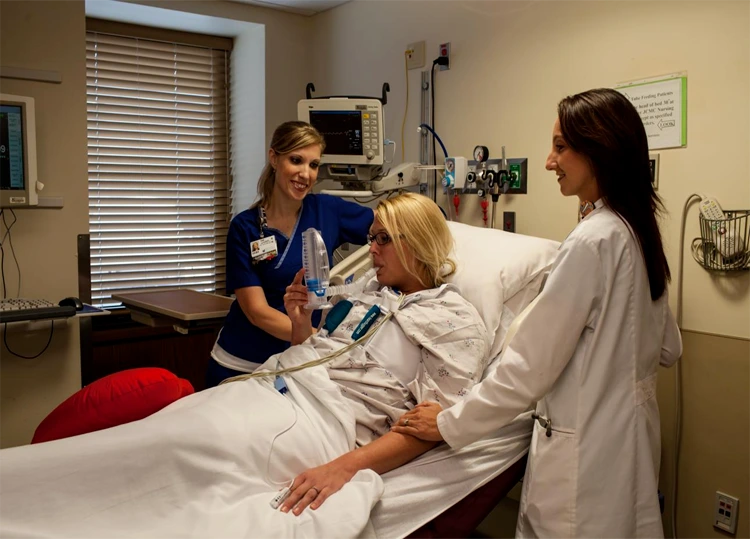
Deep breathing exercises may be taught after surgery to encourage effective breathing and support lung function.
A nurse may encourage the patient to sit comfortably, take a slow deep breath, and breathe out gently, according to the instructions provided by the healthcare team.
Patients who have been given an incentive spirometer should use it according to their clinical instructions.
2. Ankle Pump Exercises
Ankle pumps involve gently moving the feet up and down.
These simple movements can be performed by many patients while lying in bed, provided there are no restrictions. They encourage movement of the lower limbs and can support circulation.
3. Leg Exercises
Depending on the operation, patients may be taught gentle leg movements such as bending and straightening the knee.
The exercise should be performed within the range recommended by the healthcare professional.
4. Range-of-Motion Exercises
Range-of-motion exercises help maintain flexibility in joints that may become stiff during periods of reduced activity.
The specific movements depend on the surgery. For example, a patient following orthopedic surgery may have very specific movement restrictions that must be respected.
5. Sitting and Standing
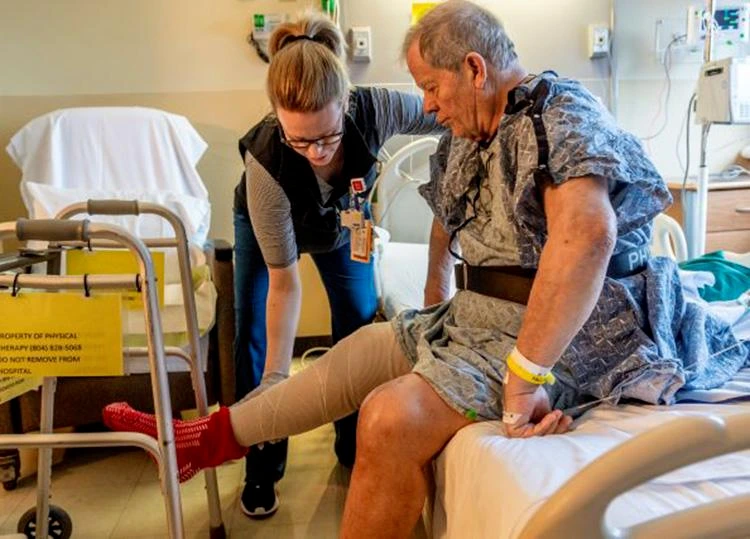
Progressing from lying in bed to sitting, standing, and eventually walking is an important part of functional recovery.
The first attempt may require assistance from a nurse, physiotherapist, or another trained professional.
6. Walking
Walking is often gradually increased as the patient becomes stronger and more stable.
The healthcare team may initially recommend short walks with assistance before increasing distance and frequency.
Patients should not attempt unsupported walking if they have dizziness, significant weakness, balance problems, or specific mobility restrictions.
How Is Post Operative Exercise Started?
The process generally begins with an assessment.
Step 1: Assess the Patient
The nurse or healthcare professional considers:
Type of surgery
Time since surgery
Level of consciousness
Pain
Vital signs
Muscle strength
Balance
Mobility
Surgical restrictions
Presence of drains, catheters, or other equipment
Step 2: Control Pain
Pain can make movement difficult. Appropriate pain management can help patients participate more comfortably in mobility and rehabilitation.
Pain medication should be taken only as prescribed.
Step 3: Begin With Simple Movements
Depending on the procedure, activity may begin with bed exercises, breathing exercises, ankle movements, or sitting upright.
Step 4: Progress Gradually
The patient can gradually move from bed mobility to sitting, standing, walking, and more advanced exercises when clinically appropriate.
Step 5: Monitor the Response
The healthcare professional should observe how the patient responds to activity.
Unusual breathlessness, chest pain, severe dizziness, fainting, significant bleeding, sudden severe pain, or another concerning symptom requires stopping the activity and seeking appropriate medical assessment.
Benefits of Post Operative Exercise
When appropriately prescribed and performed, post operative exercise can support several aspects of recovery.
Improved Mobility
Movement helps patients gradually return to everyday activities.
Better Muscle Function
Reduced activity can contribute to muscle weakness. Progressive movement can help rebuild strength.
Improved Circulation
Gentle movement encourages circulation and reduces the effects of prolonged inactivity.
Greater Independence
As strength and balance improve, patients may become more capable of performing activities such as sitting, standing, walking, bathing, and dressing.
Improved Confidence
Patients may initially be afraid that movement will damage the surgical area. Appropriate education and supervised activity can increase confidence.
Support for Recovery
Exercise is one component of a broader recovery plan that may also include nutrition, pain management, wound care, medication, sleep, and follow-up.
Post Operative Exercise After Different Types of Surgery
The appropriate exercise programme depends heavily on the type of operation.
After Abdominal Surgery
Patients may initially need gentle breathing and mobility exercises. They should follow specific instructions about coughing, getting out of bed, lifting, and protecting the surgical site.
After Orthopedic Surgery
Movement restrictions can be very specific. Patients may require physiotherapy and assistive devices such as walkers or crutches.
After Cardiac Surgery
Exercise progression should follow the cardiac rehabilitation and surgical team’s recommendations. Activity may be increased gradually according to the patient’s condition.
After Gynecological Surgery
Walking and gentle movement may be encouraged when appropriate, but lifting and strenuous activity may be restricted for a period determined by the surgeon.
After Other Major Operations
The rehabilitation plan should be individualized according to the surgical procedure and the patient’s medical condition.
What Should Patients Avoid After Surgery?
Patients should not assume that more exercise always means faster recovery.
Avoid:
Heavy lifting before receiving medical clearance.
High-impact exercise too early.
Sudden strenuous activity.
Exercises specifically restricted by the surgeon.
Ignoring pain or other warning symptoms.
Exercising without assistance when there is a significant risk of falling.
Returning to sports without appropriate clearance.
The patient’s discharge instructions should take priority over general exercise advice.
Aftercare and Recovery
Exercise is only one part of post-operative care.
Patients should also pay attention to:
Wound Care
Follow the instructions for keeping the surgical wound clean and protected.
Nutrition
Adequate nutrition supports healing. Patients should follow dietary recommendations provided by their healthcare team.
Hydration
Fluid intake should follow medical recommendations, especially for patients with heart, kidney, or other conditions requiring fluid restrictions.
Medication
Take prescribed medicines according to the instructions and discuss side effects or concerns with the healthcare team.
Rest and Sleep
Recovery requires a balance between appropriate activity and adequate rest.
Follow-Up
Attend scheduled appointments so that recovery can be assessed and the activity programme can be adjusted.
When Should Exercise Be Stopped?
Exercise should be stopped and appropriate medical advice sought if the patient develops concerning symptoms such as:
Chest pain
Severe shortness of breath
Fainting or near-fainting
Severe dizziness
Sudden severe pain
Significant bleeding
Opening of a surgical wound
Sudden swelling
New confusion
A rapid or irregular heartbeat accompanied by concerning symptoms
If symptoms are severe or appear to represent an emergency, urgent medical assistance should be obtained.
Role of Nurses in Post Operative Exercise
Nurses have an important role in safe post-operative mobilization.
Assessment
Before encouraging activity, nurses assess the patient’s condition, pain, vital signs, mobility, strength, and surgical restrictions.
Patient Education
Nurses explain why movement is important and teach patients how to perform appropriate exercises safely.
Assistance With Mobility
Patients may require help with sitting, standing, transferring, and walking, particularly during the early recovery period.
Safety
Nurses help reduce falls and other injuries by ensuring that the environment is safe and that appropriate assistance or mobility equipment is available.
Monitoring
The patient’s response to exercise should be observed and documented.
Coordination
Nurses often work with surgeons, physiotherapists, occupational therapists, and other healthcare professionals to support an individualized rehabilitation plan.
Why Post Operative Exercise Is Important for Nursing Students
For nursing students, post operative exercise is more than a list of physical movements. It is an example of holistic nursing care.
Students should understand:
Assessment before mobilization
Patient safety
Pain management
Mobility assistance
Fall prevention
Breathing exercises
Patient education
Monitoring during activity
Documentation
Referral to physiotherapy
Recognition of complications
Learning these principles prepares nursing students to provide safer and more effective care in surgical wards, rehabilitation settings, community healthcare, and home-care environments.
Frequently Asked Questions
When can a patient start post operative exercise?
The timing depends on the type of surgery, the patient’s health, and the surgeon’s or rehabilitation team’s instructions. Some gentle movements may begin soon after surgery, while more strenuous activities may need to wait longer.
Is walking good after surgery?
Walking is often an important part of recovery when it is medically appropriate. It should usually be increased gradually and may initially require assistance.
Can exercise reopen a surgical wound?
Appropriate, medically approved activity is generally planned to protect the surgical site. However, strenuous activity or lifting too soon can increase risk. Patients should follow their surgeon’s restrictions.
What exercises can be done in bed after surgery?
Depending on the operation, healthcare professionals may recommend deep breathing, ankle pumps, gentle leg movements, or other bed exercises. The appropriate exercises depend on the patient’s condition and surgical restrictions.
How does post operative exercise help recovery?
Appropriate activity can help maintain muscle function, improve mobility, support circulation, reduce stiffness, and help patients gradually return to everyday activities.
Should patients exercise when they have pain?
Some discomfort may occur during recovery, but patients should not ignore severe, sudden, or worsening pain. The healthcare team should be consulted about appropriate pain management and exercise intensity.
Can elderly patients do post operative exercise?
Older adults can often benefit from appropriate post-operative mobility and exercise. However, the programme should account for balance, strength, medical conditions, cognitive status, and fall risk.
When can a patient return to normal exercise?
Return to normal exercise depends on the type of surgery, healing progress, overall health, and the surgeon’s or rehabilitation team’s advice. High-impact activities and heavy lifting may require additional recovery time.
Conclusion
Post operative exercise is an important component of safe and effective recovery after surgery. The goal is not to push the patient too hard, but to introduce appropriate movement gradually while respecting the surgical procedure and the patient’s individual condition.
Simple activities such as breathing exercises, ankle movements, sitting, standing, and walking may form part of the early recovery process when medically appropriate. As healing progresses, patients may gradually return to more demanding activities under professional guidance.
For nurses, post-operative exercise involves careful assessment, patient education, safe mobilization, monitoring, and collaboration with the multidisciplinary healthcare team. For nursing students at Ideal Institute of Nursing, understanding these principles provides valuable preparation for clinical practice and reinforces the importance of patient-centred rehabilitation.
Medical disclaimer: This article is intended for general health and nursing education. It does not replace individualized medical advice. Patients should follow their surgeon’s discharge instructions and rehabilitation plan.