
Side Effects of Radiation Therapy: A Complete Guide
Radiation therapy is an important treatment used to manage many types of cancer. It uses high-energy radiation to damage cancer cells, helping to destroy them or stop them from growing. Although this treatment can be highly effective, it may also affect healthy cells near the treated area. As a result, some patients experience side effects during or after treatment.
Understanding the side effects of radiation therapy can help patients and caregivers prepare for treatment, recognise changes in their health and seek timely medical advice. The type and severity of these effects vary from person to person, depending on the area being treated, the radiation dose, the treatment schedule and whether other cancer treatments are being given.
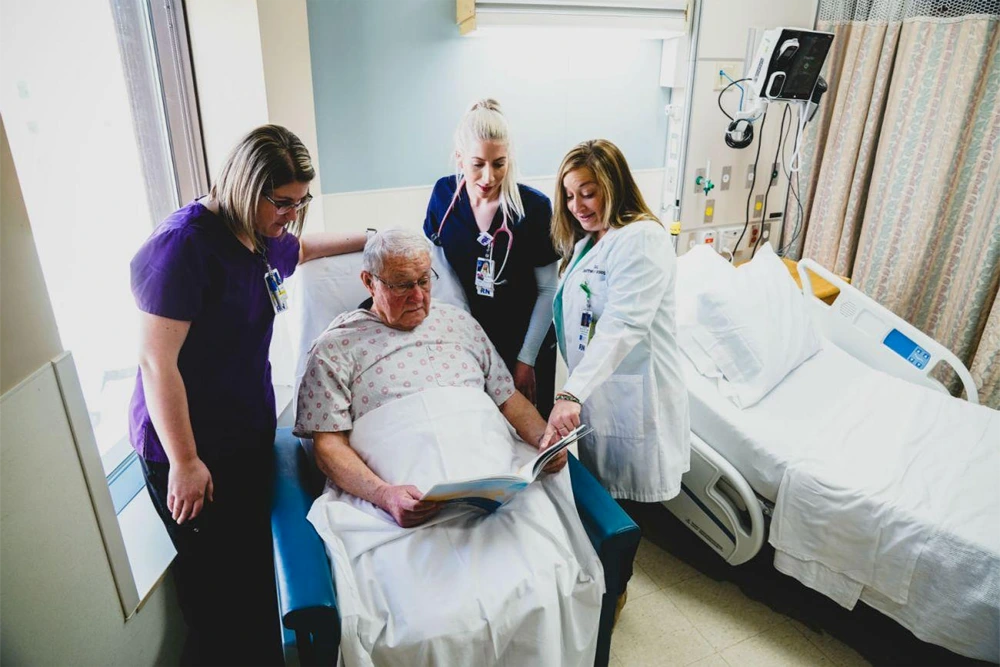
For nursing students and healthcare professionals, knowledge of radiation-related side effects is essential for patient education, symptom monitoring and compassionate cancer care.
What Is Radiation Therapy?
Radiation therapy, also called radiotherapy, is a cancer treatment that uses carefully planned doses of radiation to destroy cancer cells or prevent them from multiplying. It may be used alone or alongside surgery, chemotherapy, immunotherapy or other treatments, depending on the patient’s diagnosis.
The main types include:
1. External Beam Radiation Therapy
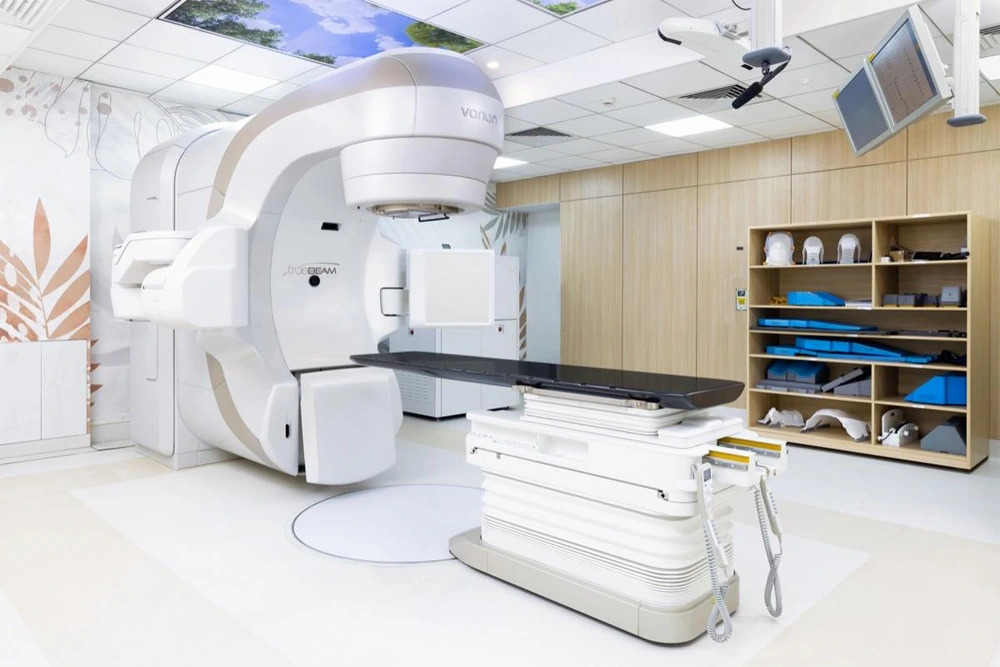
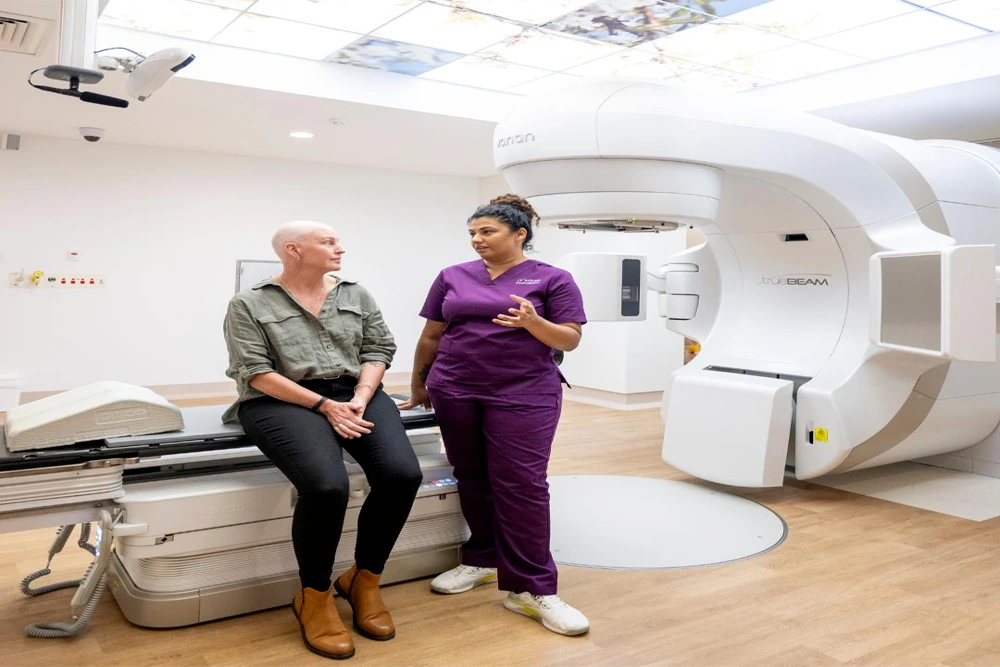
In external beam radiation therapy, a machine directs radiation towards the targeted area of the body. Treatment is usually delivered in planned sessions over several days or weeks, depending on the treatment protocol. The procedure itself is generally painless.
2. Internal Radiation Therapy (Brachytherapy)
Brachytherapy involves placing a radioactive source inside or close to the tumour. The treatment plan and safety precautions depend on the type of source and how it is delivered.
3. Systemic Radiation Therapy
Certain treatments use radioactive substances that travel through the body to target specific cells or tissues. These treatments require individual instructions about radiation safety and precautions.
The type of treatment influences the possible side effects and the precautions a patient may need to follow.
Why Does Radiation Therapy Cause Side Effects?
Radiation is designed to damage cancer cells, but nearby healthy tissues can also be affected. Healthy cells generally have a greater ability to recover, although recovery takes time and is not always complete.
The side effects of radiation therapy depend on several factors:
- The part of the body receiving treatment.
- The total radiation dose and number of sessions.
- The size and location of the treatment area.
- The patient’s general health and existing medical conditions.
- Whether chemotherapy or other treatments are given at the same time.
- Individual differences in healing and sensitivity to treatment.
Not every patient experiences the same symptoms. Some people have only mild effects, while others require additional treatment and supportive care.
Common Side Effects of Radiation Therapy
1. Fatigue and Tiredness
Fatigue is one of the most common side effects of radiation therapy. Patients may feel unusually tired, weak or less energetic, even after adequate sleep. Daily activities such as cooking, walking or working may become more difficult.
Fatigue may develop gradually during treatment and continue for weeks or months after treatment finishes.
What may help?
- Take regular breaks and prioritise essential activities.
- Maintain a balanced diet and adequate fluid intake, unless medically restricted.
- Try gentle physical activity, such as short walks, if approved by the healthcare team.
- Ask family members for help with demanding tasks.
- Report sudden or severe fatigue, particularly if it occurs with breathlessness, dizziness or chest discomfort.
2. Skin Changes
Radiation can affect the skin in the treated area. The skin may become red, darker or lighter than usual, dry, itchy, tender or swollen. More significant reactions can include peeling, blistering or moist skin damage.
Skin reactions commonly develop after treatment has started and may become more noticeable as sessions continue.
How to care for the skin:
- Wash the treated area gently and pat it dry.
- Avoid rubbing, scratching or scrubbing treatment markings.
- Use moisturisers and other skin products recommended by the radiation care team.
- Wear loose, soft clothing to reduce friction.
- Protect the treated area from direct sunlight and extreme temperatures.
- Report broken skin, blisters, increasing pain or signs of infection.
Do not apply unfamiliar creams, herbal preparations or medicated products to the treated area without checking with the healthcare team.
3. Hair Loss
Radiation therapy can cause hair loss in the area exposed to radiation. For example, treatment involving the scalp may cause hair loss there, while radiation directed at another part of the body generally does not cause scalp hair loss.
Hair may grow back after treatment, but regrowth depends on the radiation dose and the area treated. In some cases, hair loss can be permanent.
Patients should ask their radiation oncologist what to expect and whether protective or cosmetic options may be helpful.
4. Nausea and Vomiting
Some patients experience nausea or vomiting, particularly when the treatment area includes the abdomen or when certain areas of the brain are treated. Other medications or concurrent cancer treatments may also contribute to these symptoms.
Patients should report persistent nausea, repeated vomiting or difficulty keeping fluids down. The healthcare team may recommend anti-nausea medication, dietary changes or additional assessment.
5. Mouth Sores and Dry Mouth
Radiation involving the head and neck can irritate the lining of the mouth and throat. Patients may experience mouth sores, dryness, altered taste, discomfort when swallowing or difficulty eating.
These symptoms can affect nutrition and hydration.
Helpful measures may include:
- Following the recommended oral hygiene routine.
- Using a mouth rinse recommended by the clinical team.
- Choosing soft, moist foods when swallowing is comfortable.
- Avoiding foods that irritate sore areas, such as very spicy or acidic foods.
- Maintaining fluid intake as advised.
- Seeking help early if eating, drinking or swallowing becomes difficult.
A dentist or specialist may be involved when treatment is likely to affect oral health.
6. Diarrhoea and Digestive Problems
Radiation directed at the abdomen or pelvis can irritate the bowel and cause diarrhoea, abdominal cramps, urgency or discomfort. Some patients may also experience nausea, reduced appetite or changes in bowel habits.
Patients should report persistent diarrhoea, blood in the stool, severe abdominal pain or signs of dehydration. A clinician can recommend appropriate medication, dietary adjustments and fluid replacement.
Do not start anti-diarrhoeal medicines without advice if symptoms are severe or accompanied by concerning warning signs.
7. Urinary Problems
Radiation involving the bladder or nearby pelvic organs can cause urinary frequency, urgency, discomfort during urination or other changes in bladder function.
Report burning during urination, blood in the urine, fever or difficulty passing urine. These symptoms may need prompt assessment to determine the cause and appropriate treatment.
8. Swelling and Tenderness
Some patients experience swelling, tenderness or discomfort in the treated area. The location and severity depend on the tissues involved. Radiation can also affect lymphatic drainage in certain situations, contributing to a condition called lymphoedema.
New or increasing swelling should be assessed, especially if it is painful, sudden or associated with redness or breathing difficulties.
Long-Term Side Effects of Radiation Therapy
Many early side effects improve after treatment ends as healthy tissues recover. However, some effects may persist, while others can develop months or years later. These are known as late effects.
Possible late effects depend on the treatment area and may include:
- Persistent dryness or changes in skin texture.
- Long-term dry mouth or dental problems after head and neck treatment.
- Changes in bowel or bladder function.
- Stiffness, scarring or reduced movement in treated tissues.
- Lymphoedema in susceptible patients.
- Fertility or sexual health problems following certain treatments.
- Changes in memory or concentration after some forms of brain treatment.
- Organ-specific complications, depending on the tissues exposed.
Radiation therapy can also slightly increase the long-term risk of developing another cancer, although the likelihood varies and is generally small compared with the expected benefit of appropriately indicated treatment.
Patients should discuss their individual risk of late effects with their radiation oncologist and attend recommended follow-up appointments.
How Long Do the Side Effects of Radiation Therapy Last?
There is no single timeline for every patient.
Some side effects develop during the first few weeks of treatment, while others become more noticeable towards the end of a course. Skin reactions and fatigue may temporarily worsen after the final session before gradually improving.
Many early side effects settle within a few weeks or months, but some symptoms may last longer. Late effects can develop months or years after treatment.
The expected recovery period depends on the body area treated, the radiation dose, other treatments and the patient’s overall health. Patients should ask their care team which symptoms are expected and when improvement is likely.
How Can Patients Manage the Side Effects of Radiation Therapy?
Good supportive care can make treatment more manageable. Patients should follow the instructions provided by their oncology team rather than relying on general advice alone.
Maintain a Balanced Diet
Choose nutritious foods that suit your symptoms and treatment plan. Small, frequent meals may help if appetite is poor. A dietitian can provide individual advice if weight loss, swallowing difficulties or digestive symptoms occur.
Stay Hydrated
Drink fluids as recommended by the healthcare team. Patients with kidney, heart or other conditions may have specific fluid restrictions and should follow their prescribed plan.
Protect the Skin
Use gentle skin care and follow the radiation department’s recommendations. Avoid exposing the treated area to unnecessary friction, extreme heat or cold, and unapproved products.
Balance Rest and Activity
Allow time for rest while remaining gently active when medically appropriate. Activity should be adjusted according to energy levels and the advice of the treating team.
Attend Follow-Up Appointments
Follow-up visits help the healthcare team monitor recovery, manage ongoing symptoms and identify possible late effects.
Seek Emotional Support
Cancer treatment can cause worry, stress and uncertainty. Talking to family, a counsellor, a nurse or a cancer support group can help patients cope with emotional challenges.
When Should a Patient Contact the Doctor?
Patients should not assume that every new symptom is a normal effect of radiation therapy. Contact the oncology team promptly if symptoms worsen or interfere with eating, drinking, sleeping or everyday activities.
Seek urgent medical attention for severe breathing difficulty, chest pain, confusion, collapse, uncontrolled bleeding, severe dehydration or other sudden, serious symptoms. Fever during cancer treatment may require urgent assessment; follow the specific temperature threshold and emergency instructions provided by the treating team.
Prompt reporting allows healthcare professionals to assess the cause and begin appropriate management.
Nursing Responsibilities in the Care of Patients Receiving Radiation Therapy
Nurses play an important role in helping patients understand treatment, manage symptoms and maintain their quality of life.
Key nursing responsibilities include:
- Assessing fatigue, pain, skin condition, nutrition and hydration.
- Monitoring symptoms relevant to the treatment area.
- Explaining skin care and other prescribed self-care measures.
- Supporting oral care and nutrition when the head or neck is treated.
- Identifying warning signs and escalating concerns promptly.
- Administering prescribed medicines and monitoring their effects.
- Providing emotional support and answering questions within their professional scope.
- Encouraging adherence to follow-up appointments.
- Documenting symptoms, interventions and the patient’s response.
- Coordinating care with oncologists, dietitians, pharmacists and other healthcare professionals.
Nurses should provide individualised information, respect patient preferences and avoid promising that a particular side effect will or will not occur.
Why Is This Topic Important for Nursing Students?
Understanding the side effects of radiation therapy helps nursing students develop essential skills in cancer care, patient education, clinical assessment and symptom management.
Students should learn how to distinguish expected treatment effects from symptoms that require further investigation. They should also understand the importance of accurate documentation, effective communication, infection prevention and collaboration with the multidisciplinary team.
At Ideal Institute of Nursing, studying cancer treatment and its associated side effects can help learners connect theoretical knowledge with the practical responsibilities of professional nursing. Supervised clinical learning and current evidence-based guidance are essential for developing safe, compassionate patient care.
Frequently Asked Questions About the Side Effects of Radiation Therapy
1. What are the most common side effects of radiation therapy?
Common side effects include fatigue and skin changes. Depending on the treatment area, patients may also experience hair loss, nausea, mouth sores, swallowing difficulties, diarrhoea or urinary problems.
2. Do all patients experience side effects of radiation therapy?
No. Some patients experience few or no side effects, while others develop several symptoms. The effects depend on the treatment area, dose, schedule, general health and other treatments.
3. When do radiation therapy side effects begin?
Some effects begin after the first few treatment sessions or during the first weeks. Others appear later in the treatment course or after treatment has finished.
4. Do radiation therapy side effects go away?
Many early side effects improve within weeks or months after treatment. However, some may persist or develop later, so patients should attend follow-up appointments and report ongoing symptoms.
5. Does radiation therapy cause hair loss?
It can cause hair loss in the area being treated. Hair loss on the scalp is more likely when the scalp receives radiation. Regrowth depends on the dose and the tissues involved.
6. Can radiation therapy cause long-term health problems?
Yes. Some patients develop late effects, such as persistent tissue changes, organ-specific problems, fertility issues or lymphoedema. The risk varies according to the treatment plan and individual factors.
7. How can patients reduce the side effects of radiation therapy?
Patients can follow their prescribed skin care routine, maintain suitable nutrition and hydration, balance rest with appropriate activity and report symptoms early. Medicines and specialist support may also help.
8. What are the nursing responsibilities during radiation therapy?
Nurses assess symptoms, educate patients, monitor skin and nutritional status, support prescribed symptom management, document changes and report warning signs to the healthcare team.
9. When should a patient seek medical help during radiation therapy?
Promptly contact the oncology team for worsening pain, persistent vomiting or diarrhoea, skin breakdown, difficulty swallowing or signs of infection. Severe breathing difficulty, chest pain, collapse or other serious symptoms require emergency assessment.
Conclusion
The side effects of radiation therapy vary according to the treatment area, dose, individual health and other cancer treatments. Fatigue and skin changes are common, while other effects may involve the mouth, digestive system, urinary tract or organs near the treated area.
Although many early effects improve after treatment, some require ongoing care or long-term monitoring. Patient education, early symptom reporting and appropriate nursing support can make a meaningful difference to comfort, safety and recovery.
For nursing students, understanding radiation-related side effects is an important part of developing the knowledge and clinical judgement needed for compassionate, evidence-informed oncology nursing.
Medical disclaimer: This article is intended for educational purposes and does not replace individual medical advice. Patients should follow their oncology team’s instructions and seek professional assessment for new or worsening symptoms.