
Infection Control in Nursing: A Vital Part of Modern Healthcare
Infection control is one of the most important responsibilities in nursing and healthcare management. Proper infection prevention practices help protect patients, healthcare workers, and communities from harmful infections and diseases. Nurses play a crucial role in maintaining hygiene, preventing contamination, and ensuring patient safety in hospitals and healthcare facilities.
At Ideal Institute of Nursing, nursing students receive comprehensive training in infection prevention techniques, hand hygiene, biomedical waste management, and patient safety procedures.
This article explains infection control in nursing, standard precautions, hand hygiene practices, nursing responsibilities, and the importance of infection prevention in healthcare settings.
The World Health Organization (WHO) Hand Hygiene Guidelines emphasize that proper hand hygiene and infection prevention practices significantly reduce healthcare-associated infections and improve patient safety.
What is Infection Control in Nursing?
Infection control refers to the policies, procedures, and practices used to prevent the spread of infections in healthcare settings.
In nursing, infection control includes:
- Hand hygiene
- Use of Personal Protective Equipment (PPE)
- Sterilization and disinfection
- Safe waste disposal
- Isolation precautions
- Safe injection practices
The main goal is to reduce healthcare-associated infections (HAIs) and maintain a safe environment for patients and healthcare workers.
Importance of Infection Control in Healthcare
Infection prevention is essential because healthcare-associated infections can lead to serious complications, prolonged hospital stays, and increased healthcare costs.
According to WHO, many healthcare-associated infections are preventable through proper hand hygiene and infection prevention practices.
Proper infection control helps:
- Protect patients from infections
- Prevent disease transmission
- Improve patient recovery
- Maintain hospital hygiene
- Reduce healthcare complications
- Protect healthcare workers
At Ideal Institute of Nursing, students are trained to follow evidence-based infection prevention protocols in clinical settings.
Chain of Infection
The chain of infection explains how infections spread from one person to another.
The chain includes:
- Infectious agent
- Reservoir
- Portal of exit
- Mode of transmission
- Portal of entry
- Susceptible host
Breaking any link in this chain helps prevent infection spread.
Nurses are trained to interrupt the chain of infection through proper hygiene and patient care practices.
Standard Precautions in Nursing
Standard precautions are infection prevention measures applied to all patients regardless of diagnosis.
These include:
- Hand hygiene
- Use of gloves
- Use of masks and gowns
- Safe handling of sharps
- Cleaning and disinfection
- Biomedical waste management
WHO states that hand hygiene is the single most effective measure to prevent infection transmission in healthcare environments.
Hand Hygiene in Nursing
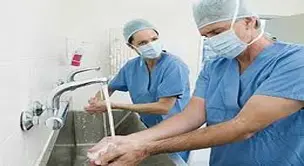
Hand hygiene is one of the most important components of infection control.
WHO recommends cleaning hands:
- Before touching a patient
- Before clean procedures
- After body fluid exposure
- After touching a patient
- After touching patient surroundings
These are known as the “5 Moments for Hand Hygiene.”
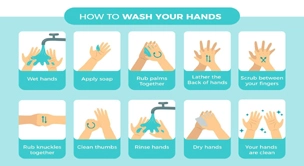
Methods of Hand Hygiene
1. Hand Washing with Soap and Water
Used when hands are visibly dirty or contaminated.
Steps Include:
- Wet hands
- Apply soap
- Rub thoroughly
- Rinse properly
- Dry hands safely
2. Alcohol-Based Hand Rub
WHO recommends alcohol-based hand rub for routine hand antisepsis when hands are not visibly soiled because it is faster and more effective.
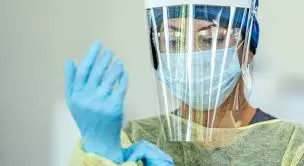
Use of Personal Protective Equipment (PPE)
PPE protects healthcare workers and patients from infection exposure.
Common PPE includes:
- Gloves
- Masks
- Face shields
- Gowns
- Goggles
Nurses must use PPE appropriately depending on patient condition and infection risk.
Biomedical Waste Management
Safe disposal of healthcare waste is essential for infection prevention.
Biomedical waste includes:
- Used syringes
- Dressings
- Gloves
- Sharps
- Contaminated materials
Proper segregation and disposal reduce environmental contamination and infection risk.
Nursing Responsibilities in Infection Control
Nurses play a major role in preventing infection transmission.
1. Maintain Hand Hygiene
Nurses must follow proper hand hygiene before and after patient care.
WHO training resources emphasize that timely hand hygiene reduces transmission of microorganisms and improves patient safety.
2. Use Sterile Techniques
Aseptic techniques are essential during:
- Dressing procedures
- Catheter care
- Injection administration
- Surgical procedures
3. Monitor Patients for Infection Signs
Nurses observe patients for:
- Fever
- Redness
- Swelling
- Discharge
- Respiratory symptoms
Early detection helps prevent complications.
4. Educate Patients and Families
Patient education includes:
- Hand hygiene
- Respiratory etiquette
- Safe hygiene practices
- Medication adherence
5. Maintain Clean Environment
Nurses help ensure cleanliness of:
- Patient beds
- Equipment
- Treatment areas
- Clinical environments
6. Follow Isolation Precautions
Isolation protocols help prevent spread of infectious diseases.
Types include:
- Contact precautions
- Droplet precautions
- Airborne precautions
Hospital-Acquired Infections (HAIs)
Hospital-acquired infections develop during healthcare treatment.
Common HAIs include:
- Urinary tract infections
- Surgical site infections
- Pneumonia
- Bloodstream infections
WHO reports that proper infection prevention programs can significantly reduce healthcare-associated infections.
Importance of Infection Control Training in Nursing Education
Practical nursing education is essential for developing safe healthcare practices.
At Ideal Institute of Nursing, students receive:
- Practical infection control training
- Hand hygiene demonstrations
- PPE usage training
- Clinical hospital exposure
- Patient safety education
These skills help students become competent healthcare professionals.
Why Choose Ideal Institute of Nursing?
Ideal Institute of Nursing provides quality nursing education with strong clinical and practical exposure.
Key Features:
- Experienced nursing faculty
- Advanced practical laboratories
- Clinical training opportunities
- Student-centered education
- Modern healthcare learning methods
The institute focuses on developing professional nursing skills and patient care excellence.
Career Opportunities After Nursing Training
Students trained in infection control and patient safety can work in:
- Hospitals
- Intensive Care Units (ICU)
- Operation theatres
- Community healthcare centers
- Infection control departments
- Nursing homes
Infection prevention knowledge improves professional healthcare competence.
Frequently Asked Questions (FAQs)
What is infection control in nursing?
Infection control refers to practices used to prevent the spread of infections in healthcare settings.
Why is hand hygiene important in nursing?
Hand hygiene prevents transmission of harmful microorganisms and reduces healthcare-associated infections.
What are standard precautions in nursing?
Standard precautions include hand hygiene, PPE use, safe waste disposal, and infection prevention practices used for all patients.
What is the role of nurses in infection prevention?
Nurses maintain hygiene, monitor patients, use PPE, educate patients, and follow infection control protocols.
Conclusion
Infection control is a critical part of nursing practice and patient safety management. Proper infection prevention measures help reduce healthcare-associated infections, improve recovery, and protect both patients and healthcare workers.
At Ideal Institute of Nursing, students receive comprehensive practical training in infection control, hand hygiene, and patient safety procedures to build successful healthcare careers.
Suggested SEO Keywords
- Infection control in nursing
- Hand hygiene in nursing
- Nursing infection prevention
- Standard precautions in nursing
- Hospital infection control
- PPE in nursing
- Nursing practical training
- Ideal Institute of Nursing
- Healthcare-associated infections
- Infection prevention nursing care