
Positioning and Moving Patients in Nursing: A Complete Guide by Ideal Institute of Nursing
Patient positioning and safe movement are essential nursing skills that directly affect patient comfort, recovery, safety, and overall healthcare outcomes. Nurses frequently assist patients in changing positions, transferring between beds and wheelchairs, and maintaining proper body alignment to prevent complications such as pressure ulcers, muscle stiffness, and respiratory problems.
At Ideal Institute of Nursing, nursing students receive comprehensive training in patient handling techniques, body mechanics, mobility assistance, and patient safety procedures. These practical skills help future nurses provide high-quality care while preventing injuries to both patients and healthcare workers.
This article explores the importance of patient positioning, methods of moving patients safely, nursing responsibilities, common positioning techniques, and the role of nursing education in developing patient care skills.
What is Patient Positioning in Nursing?
Patient positioning refers to placing a patient in a specific posture to improve comfort, promote recovery, facilitate medical procedures, and prevent complications.
Proper positioning helps:
- Improve circulation
- Enhance breathing
- Prevent pressure sores
- Reduce pain and discomfort
- Promote healing
- Improve patient safety
Nurses regularly assess and adjust patient positions according to medical conditions and treatment requirements.
What is Moving Patients in Nursing?
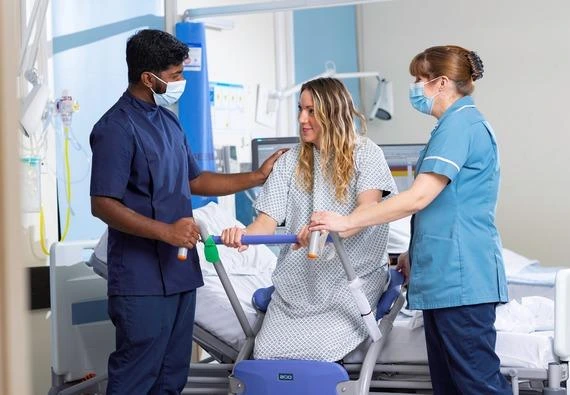
Moving patients involves assisting individuals in changing positions, transferring from one location to another, or supporting mobility while maintaining safety and comfort.
Patient movement may include:
- Turning in bed
- Sitting up in bed
- Transferring to a wheelchair
- Moving to a stretcher
- Assisting with walking
- Repositioning bedridden patients
Proper techniques reduce injury risks for both patients and nurses.
Importance of Positioning and Moving Patients
Correct positioning and movement are critical components of nursing care.
Benefits include:
- Prevention of pressure ulcers
- Improved respiratory function
- Enhanced blood circulation
- Increased patient comfort
- Reduced muscle stiffness
- Prevention of joint contractures
- Faster recovery
At Ideal Institute of Nursing, students learn evidence-based patient handling techniques through practical demonstrations and clinical training.
Principles of Safe Patient Handling
Before moving or positioning a patient, nurses should follow key safety principles:
Assess the Patient
Evaluate:
- Physical condition
- Mobility level
- Pain level
- Strength and cooperation
- Medical restrictions
Use Proper Body Mechanics
Proper body mechanics help prevent back injuries.
Guidelines include:
- Maintain a wide base of support
- Bend knees instead of the waist
- Keep the patient close to your body
- Avoid twisting movements
- Use assistive devices when needed
Ensure Patient Safety
Always:
- Lock wheelchair and bed wheels
- Remove obstacles
- Use side rails when necessary
- Explain procedures before moving
Common Patient Positions Used in Nursing
1. Supine Position
The patient lies flat on the back with arms at the sides.
Uses:
- Physical examinations
- Surgical recovery
- Resting position
2. Prone Position
The patient lies flat on the abdomen.
Benefits:
- Improves oxygenation
- Promotes drainage
- Used in certain respiratory conditions
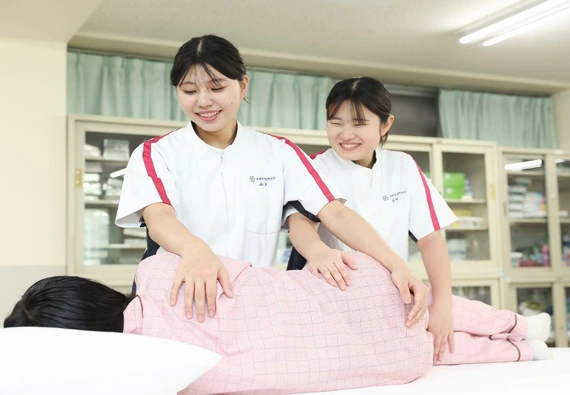
3. Lateral Position
The patient lies on one side.
Benefits:
- Prevents pressure sores
- Improves comfort
- Supports unconscious patients
4. Fowler’s Position
The patient’s head is elevated between 45° and 90°.
Used For:
- Breathing difficulties
- Feeding
- Respiratory care
5. Semi-Fowler’s Position
The head of the bed is elevated between 30° and 45°.
Benefits:
- Promotes lung expansion
- Improves patient comfort
6. Sims’ Position
The patient lies on the left side with one leg flexed.
Common Uses:
- Enema administration
- Rectal examinations
7. Trendelenburg Position
The patient’s head is lower than the feet.
Used During:
- Certain surgical procedures
- Emergency management
Nursing Responsibilities During Patient Positioning
Nurses have important responsibilities to ensure patient comfort and safety.
Maintain Proper Body Alignment
Proper alignment prevents:
- Muscle strain
- Joint injuries
- Postural complications
Prevent Pressure Ulcers
Reposition bedridden patients regularly.
Pressure areas include:
- Heels
- Hips
- Shoulders
- Elbows
- Sacrum
Monitor Patient Comfort
Observe for:
- Pain
- Numbness
- Difficulty breathing
- Skin redness
Use Positioning Devices
Supportive devices include:
- Pillows
- Cushions
- Foam pads
- Positioning wedges
These devices help maintain alignment and reduce pressure.
Techniques for Moving Patients Safely
Turning a Patient in Bed
Steps include:
- Explain the procedure
- Raise the bed to a comfortable height
- Cross patient’s arms
- Use a draw sheet
- Turn gently toward the side
Moving a Patient Up in Bed
The nurse should:
- Lower the head of the bed
- Use a draw sheet
- Ask for assistance when required
- Move smoothly to avoid friction
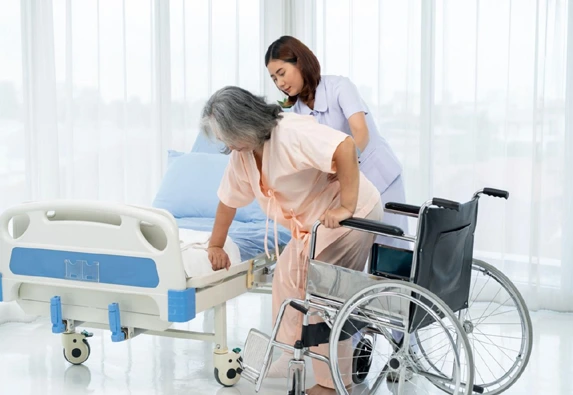
Transferring a Patient to a Wheelchair
Steps include:
- Lock wheelchair wheels
- Position wheelchair close to bed
- Assist patient to standing position
- Pivot safely
- Seat patient securely
Assisting a Patient to Walk
Nurses should:
- Provide support
- Use gait belts if necessary
- Monitor balance
- Prevent falls
Complications of Improper Positioning
Poor positioning may lead to:
- Pressure ulcers
- Muscle stiffness
- Joint contractures
- Respiratory complications
- Circulatory problems
- Patient discomfort
Regular repositioning significantly reduces these risks.
Importance of Mobility in Patient Recovery
Mobility promotes:
- Improved circulation
- Better respiratory function
- Faster healing
- Reduced risk of blood clots
- Increased independence
Nurses encourage safe movement whenever medically appropriate.
Practical Training at Ideal Institute of Nursing
At Ideal Institute of Nursing, students receive practical training in:
- Patient positioning
- Safe transfer techniques
- Body mechanics
- Mobility assistance
- Fall prevention
- Patient safety management
Clinical demonstrations help students gain confidence and professional competence.
Why Choose Ideal Institute of Nursing?
Ideal Institute of Nursing is committed to providing quality nursing education through practical learning and clinical exposure.
Key Features
- Experienced Faculty
- Advanced Nursing Laboratories
- Practical Clinical Training
- Hospital-Based Learning
- Student-Centered Education
- Modern Healthcare Training
Students develop the skills needed for successful nursing careers.
Career Opportunities After Nursing Training
Students trained in patient care and mobility management can work in:
- Hospitals
- Rehabilitation Centers
- Nursing Homes
- Community Healthcare Facilities
- Intensive Care Units
- Home Healthcare Services
These essential skills are highly valued in healthcare settings.
Conclusion
Positioning and moving patients are fundamental nursing responsibilities that contribute significantly to patient safety, comfort, and recovery. Proper techniques help prevent complications, improve mobility, and enhance healthcare outcomes.
At Ideal Institute of Nursing, students receive comprehensive practical training in patient positioning and mobility assistance, preparing them to become competent and compassionate healthcare professionals.