
Nebulization: Procedure, Benefits, and Nursing Care
Respiratory diseases are increasing rapidly due to pollution, allergies, infections, and lifestyle-related health issues. In such situations, nebulization has become one of the most effective and commonly used treatments for breathing-related disorders. At Ideal Institute of Nursing, students are trained with practical and theoretical knowledge to provide safe and effective nebulization therapy to patients.
Nebulization is an essential nursing skill that helps patients receive medication directly into the lungs through inhalation. Nursing students must understand the procedure, equipment handling, patient assessment, and safety precautions associated with nebulization.
This article explains everything about nebulization, its uses, procedure, advantages, side effects, and the important role nurses play in respiratory care.
What is Nebulization?
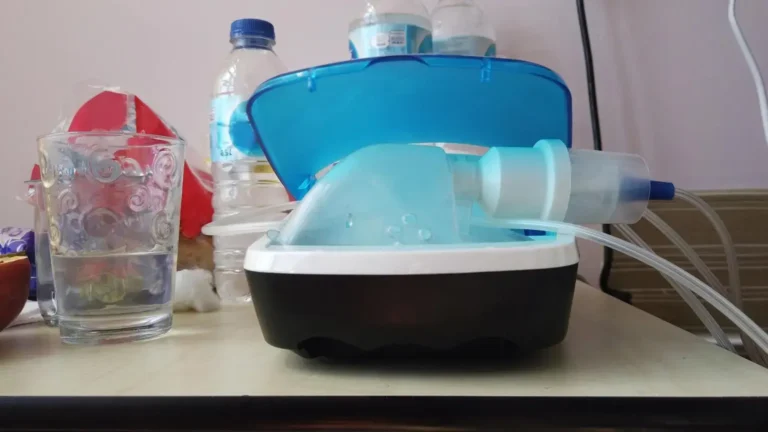
Nebulization is a medical procedure in which liquid medicine is converted into a fine mist using a nebulizer machine. The patient inhales this mist through a mouthpiece or mask, allowing the medicine to reach directly into the lungs and airways.
Nebulization is commonly used for patients suffering from:
- Asthma
- Chronic Obstructive Pulmonary Disease (COPD)
- Bronchitis
- Pneumonia
- Respiratory infections
- Wheezing
- Allergic airway diseases
Because the medication is delivered directly to the lungs, nebulization provides quick relief from breathing difficulties.
Why is Nebulization Important?
Nebulization is highly beneficial because it allows faster absorption of medicine into the respiratory tract. It is especially useful for:
- Children
- Elderly patients
- Critically ill patients
- Patients unable to use inhalers properly
The procedure helps open the airways, reduce inflammation, and improve oxygen flow in the lungs.
At Ideal Institute of Nursing, nursing students are taught how nebulization can significantly improve patient comfort and respiratory function in emergency and routine care settings.
Types of Nebulizers
1. Jet Nebulizer
This is the most commonly used nebulizer. It uses compressed air to convert medicine into mist.
2. Ultrasonic Nebulizer
This type uses ultrasonic vibrations to create aerosol particles.
3. Mesh Nebulizer
A modern nebulizer that uses a mesh membrane to produce fine medication particles efficiently.
Common Medicines Used in Nebulization
Some commonly used nebulization medicines include:
- Salbutamol
- Budesonide
- Ipratropium Bromide
- Levosalbutamol
- Hypertonic Saline
These medicines help relax airway muscles, reduce swelling, and clear mucus from the lungs.
Equipment Required for Nebulization
The following equipment is generally required during the nebulization procedure:
- Nebulizer machine
- Medicine cup
- Face mask or mouthpiece
- Prescribed medication
- Normal saline
- Gloves
- Towel or tissue
Nursing students at Ideal Institute of Nursing receive hands-on training in assembling and handling nebulization equipment safely.
Step-by-Step Nebulization Procedure
Step 1: Assess the Patient
Before starting nebulization, the nurse checks:
- Respiratory rate
- Oxygen saturation
- Presence of wheezing
- Pulse rate
- Patient history
Step 2: Explain the Procedure
The nurse explains the procedure to reduce patient anxiety and ensure cooperation.
Step 3: Prepare the Medication
The prescribed medicine is mixed with saline if necessary and placed in the nebulizer cup.
Step 4: Position the Patient
The patient is placed in a comfortable upright position for better lung expansion.
Step 5: Start Nebulization
The mask or mouthpiece is applied, and the machine is switched on.
The patient is instructed to:
- Breathe slowly and deeply
- Inhale through the mouth
- Exhale normally
Step 6: Monitor the Patient
The nurse observes:
- Breathing pattern
- Oxygen level
- Side effects
- Patient comfort
Step 7: Completion of Procedure
After the medicine is finished:
- Equipment is cleaned
- Patient is reassessed
- Findings are documented
Nursing Responsibilities During Nebulization
Nurses play a vital role in ensuring safe nebulization therapy.
Responsibilities Include:
- Checking the doctor’s order
- Verifying medication dosage
- Maintaining infection control
- Monitoring vital signs
- Observing for adverse reactions
- Educating the patient
At Ideal Institute of Nursing, students are trained to provide compassionate and evidence-based respiratory care.
Advantages of Nebulization
Nebulization offers several benefits, such as:
Fast Relief
Medicine reaches directly into the lungs for quicker action.
Easy to Use
Suitable for children and elderly patients.
Effective Medication Delivery
Helps deliver larger doses effectively.
Reduces Hospitalization
Timely nebulization can prevent severe respiratory complications.
Side Effects of Nebulization
Although generally safe, nebulization may sometimes cause:
- Tremors
- Increased heart rate
- Dry mouth
- Dizziness
- Mild throat irritation
Nurses must monitor patients carefully during and after therapy.
Precautions During Nebulization
Important precautions include:
- Use sterile equipment
- Follow prescribed dosage
- Clean nebulizer properly after use
- Avoid contamination
- Monitor oxygen levels in severe cases
Proper nursing care ensures patient safety and treatment effectiveness.
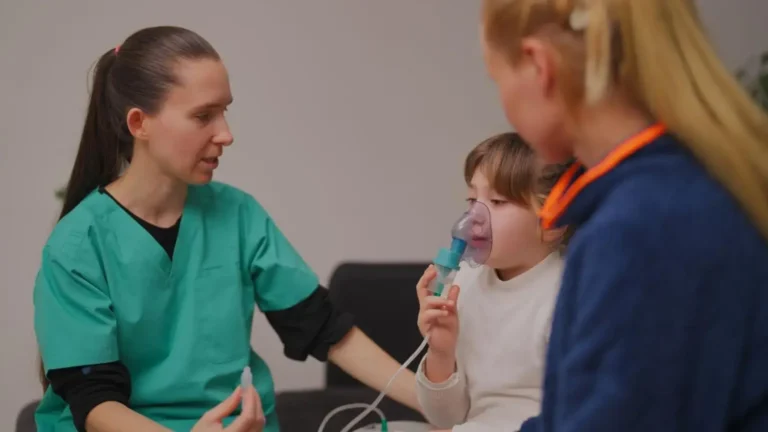
Nebulization in Pediatric Patients
Children frequently require nebulization for asthma and respiratory infections. Pediatric nebulization requires:
- Child-friendly communication
- Proper mask fitting
- Close monitoring
- Emotional support to parents
Practical pediatric nursing training is an important part of education at Ideal Institute of Nursing.
Importance of Nebulization Training in Nursing Education
Modern healthcare demands skilled nurses who can manage respiratory emergencies efficiently. Nebulization training helps nursing students:
- Develop clinical confidence
- Improve patient care skills
- Understand respiratory management
- Handle emergency situations
At Ideal Institute of Nursing, students receive practical exposure through laboratory demonstrations and clinical training programs.
Why Choose Ideal Institute of Nursing?
Ideal Institute of Nursing is committed to providing quality nursing education with strong clinical exposure.
Key Highlights:
- Experienced faculty members
- Advanced practical training
- Modern nursing laboratories
- Clinical exposure in hospitals
- Student-focused learning environment
The institute prepares students to become skilled healthcare professionals capable of delivering excellent patient care.
Career Opportunities After Nursing Training
Students trained in respiratory procedures like nebulization can work in:
- Hospitals
- Intensive Care Units (ICU)
- Emergency departments
- Pulmonary care units
- Pediatric departments
- Community healthcare centers
Practical skills increase employability and professional confidence.
Frequently Asked Questions (FAQs)
Is nebulization better than inhalers?
Nebulization is often easier for children, elderly patients, and severely ill patients who cannot use inhalers correctly.
How long does nebulization take?
Usually between 5 to 15 minutes depending on the medication and machine.
Can nebulization be done at home?
Yes, but only under medical advice and proper guidance.
What should nurses monitor during nebulization?
Nurses monitor breathing, oxygen saturation, pulse rate, and patient comfort.
Conclusion
Nebulization is a highly effective respiratory treatment widely used in modern healthcare. Nurses play an essential role in administering nebulization safely and monitoring patient responses. Proper knowledge and practical training are necessary to ensure quality patient care.
At Ideal Institute of Nursing, students receive comprehensive training in nebulization and other critical nursing procedures to build successful healthcare careers.
If you are looking for quality nursing education with practical exposure and professional guidance, Ideal Institute of Nursing can help you achieve your healthcare career goals.
Suggested SEO Keywords
- Nebulization procedure
- Nebulization in nursing
- Nebulization training
- Respiratory care nursing
- Nursing institute in Kalyani
- Nursing college in West Bengal
- Ideal Institute of Nursing
- Asthma nebulization treatment
- Nursing practical training
- Patient care procedures
Suggested Internal Links
You can internally link this blog to:
- Admissions Page
- GNM Nursing Course
- B.Sc Nursing Course
- Nursing Laboratory Facilities
- Clinical Training Page
- Contact Page